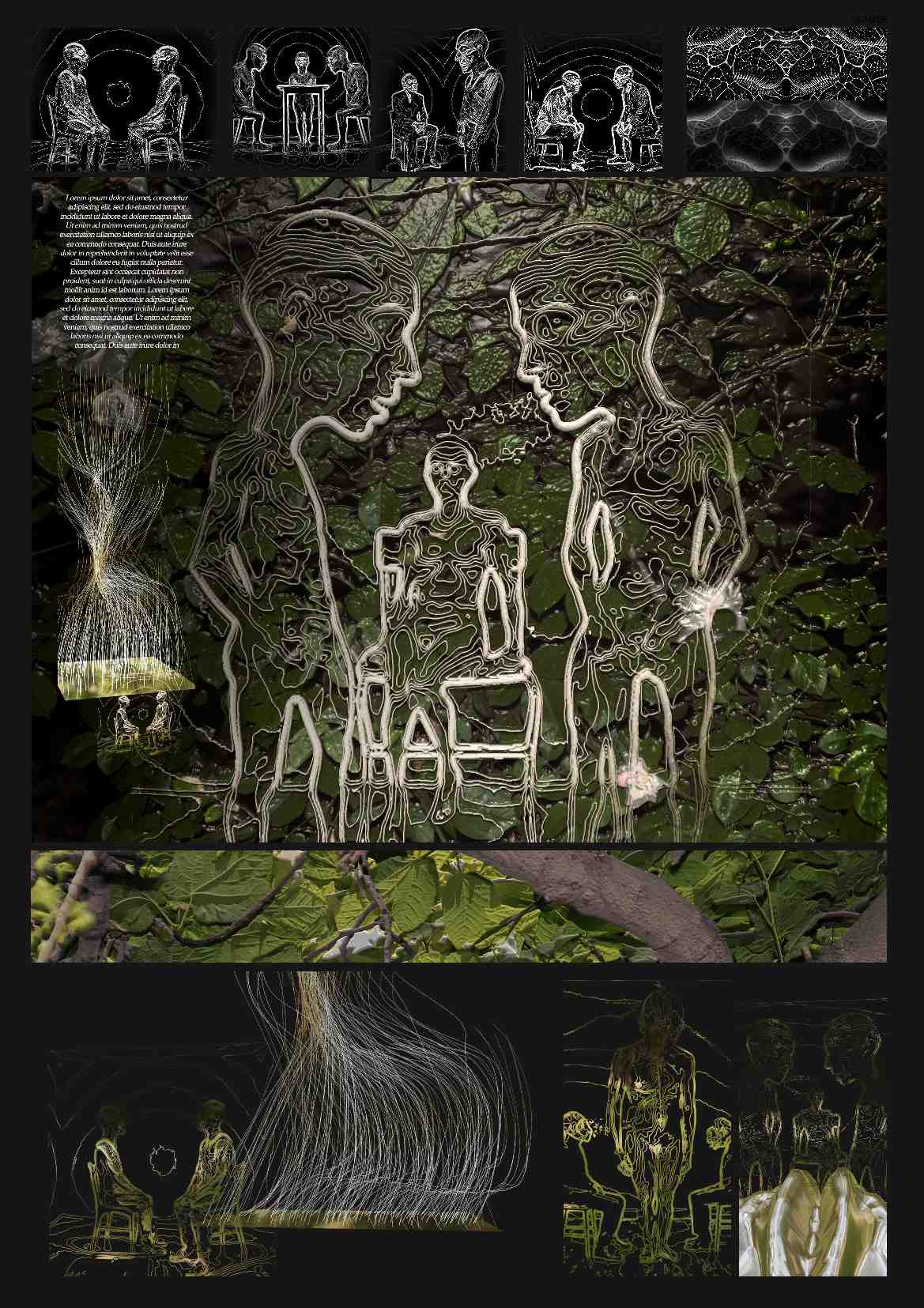
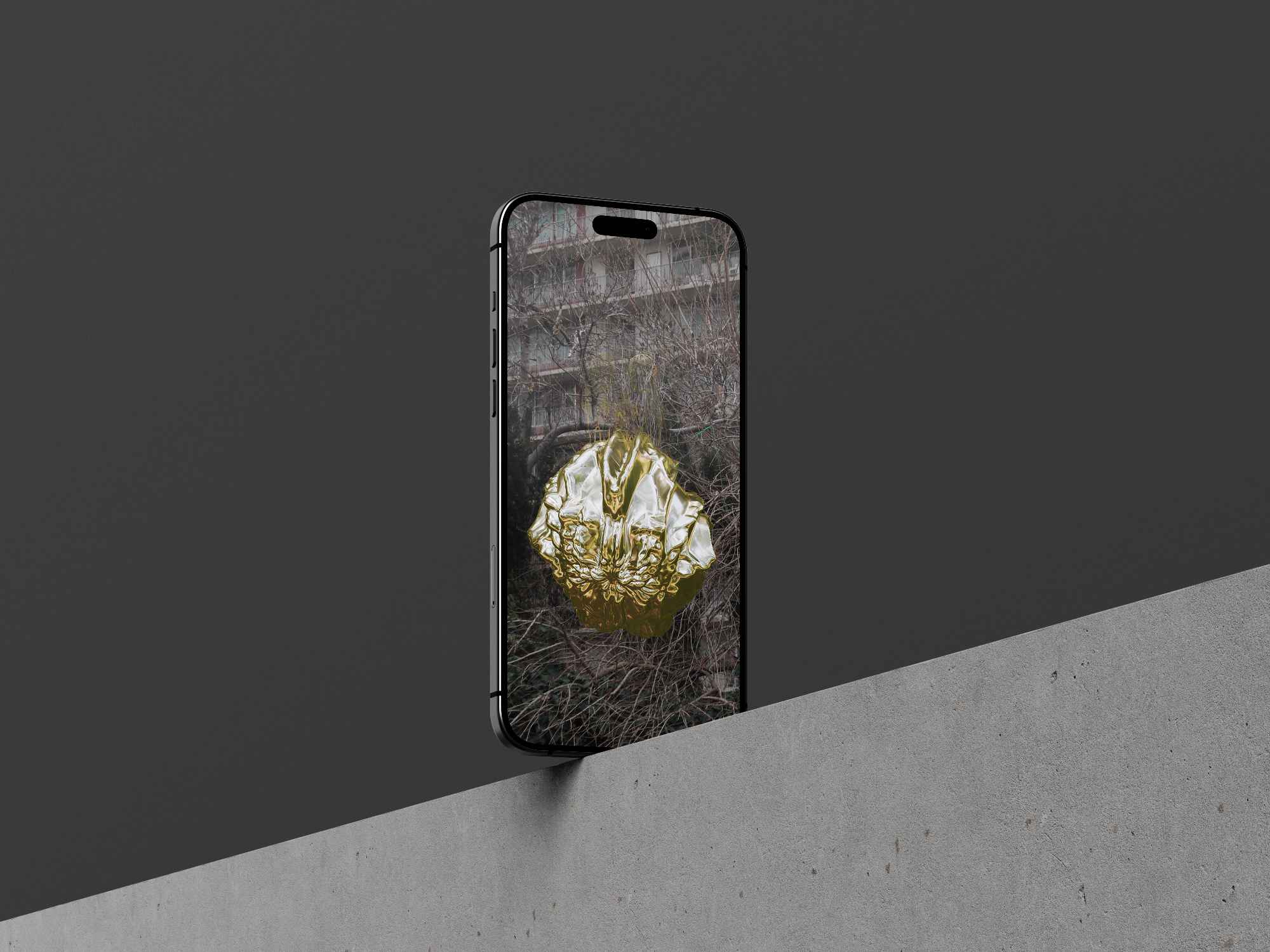
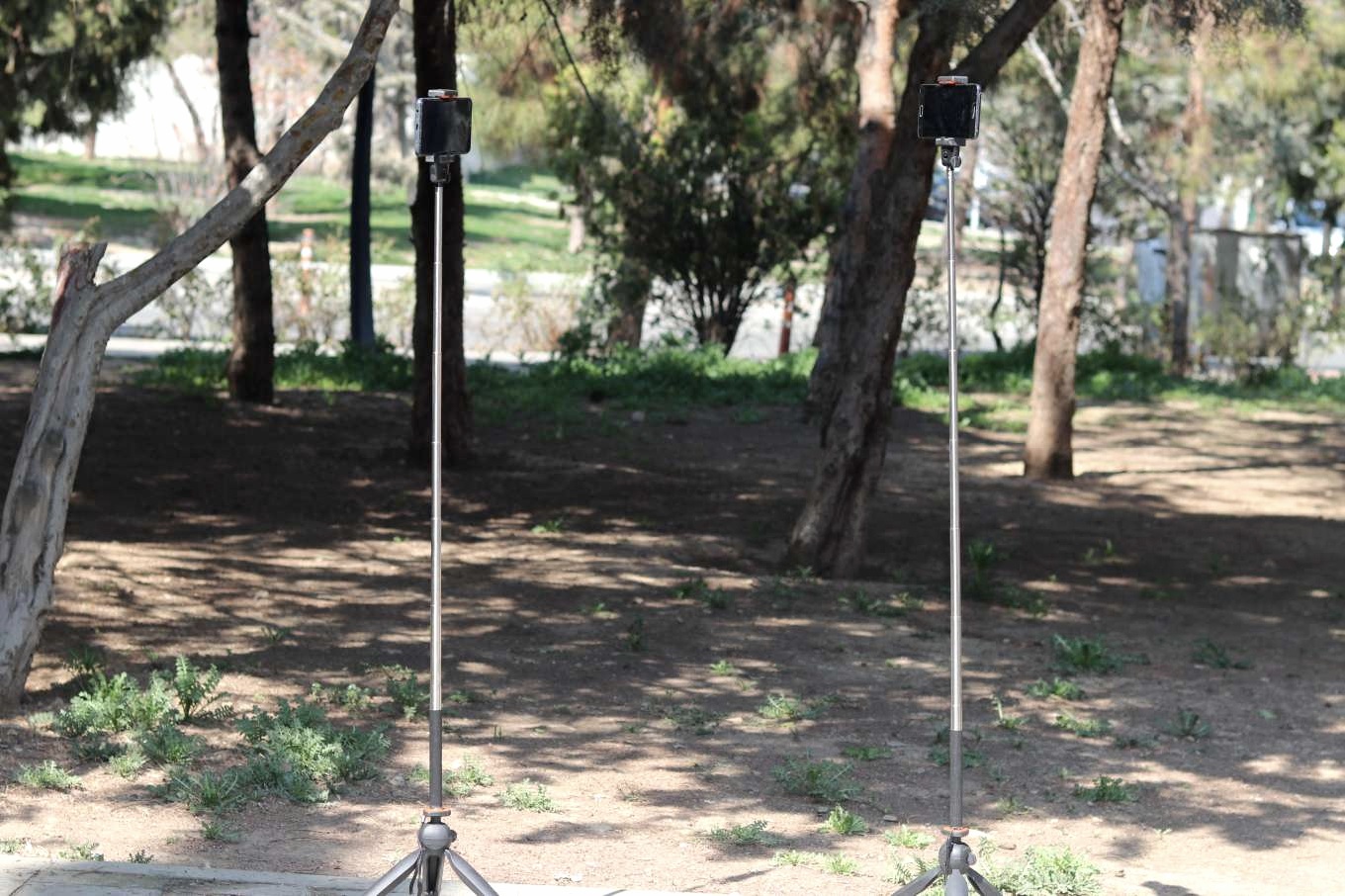
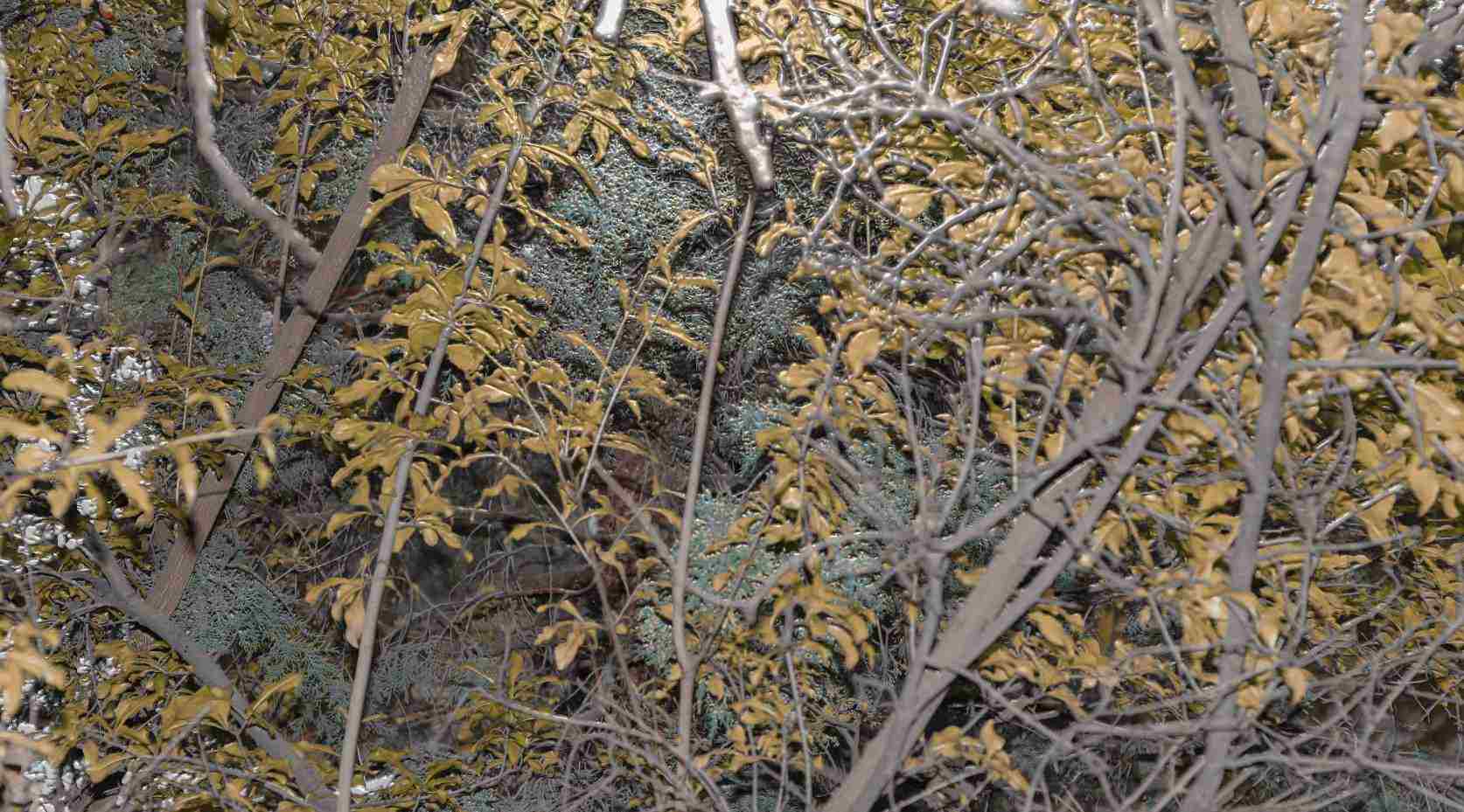
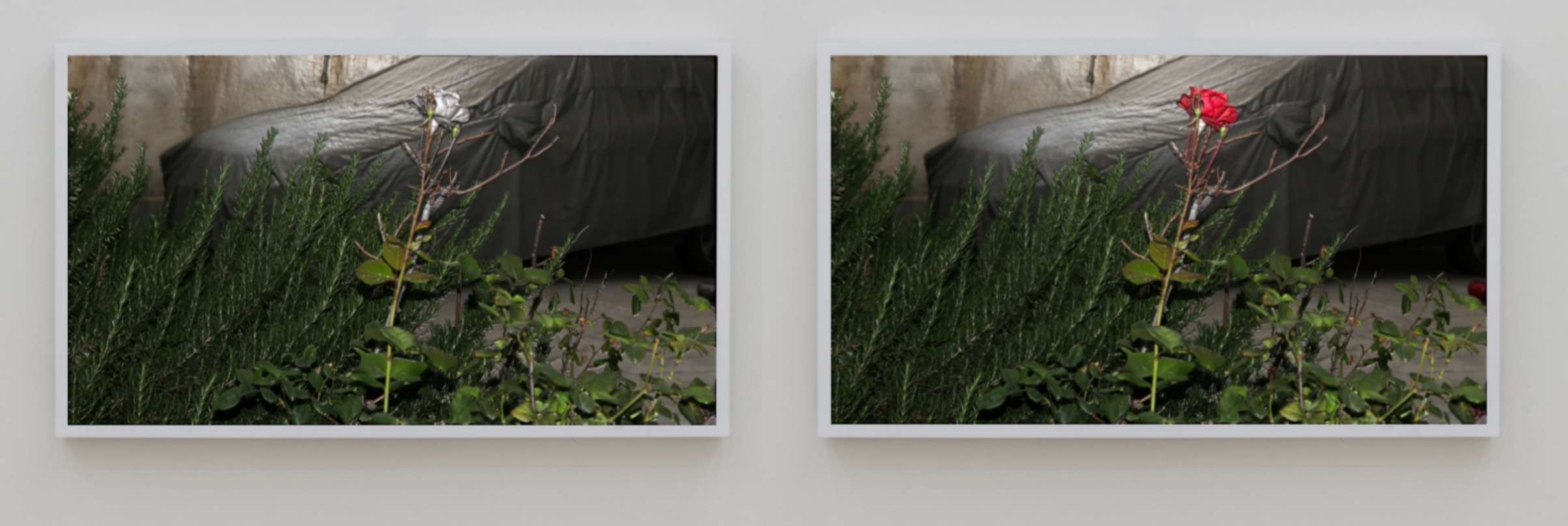
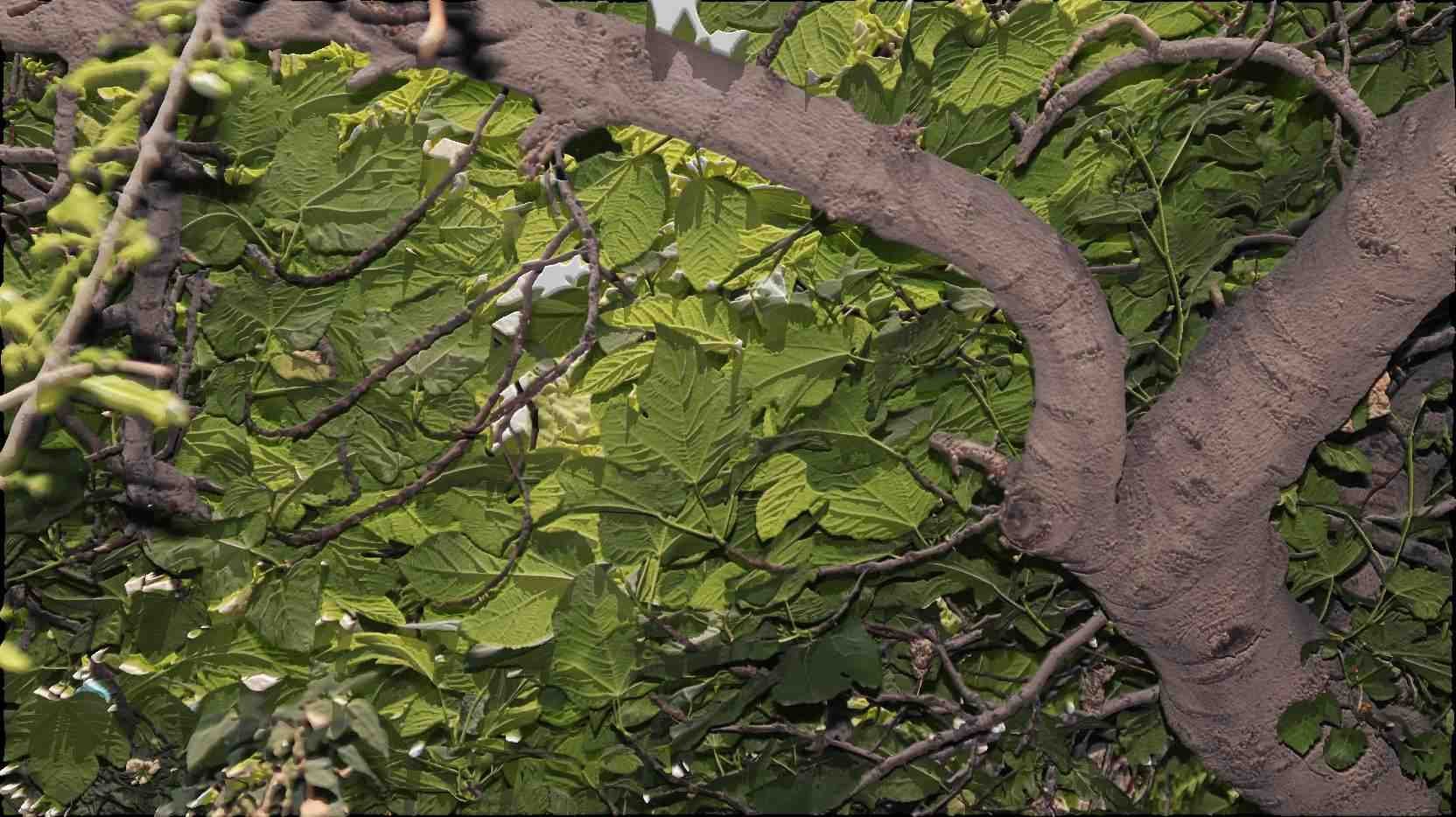
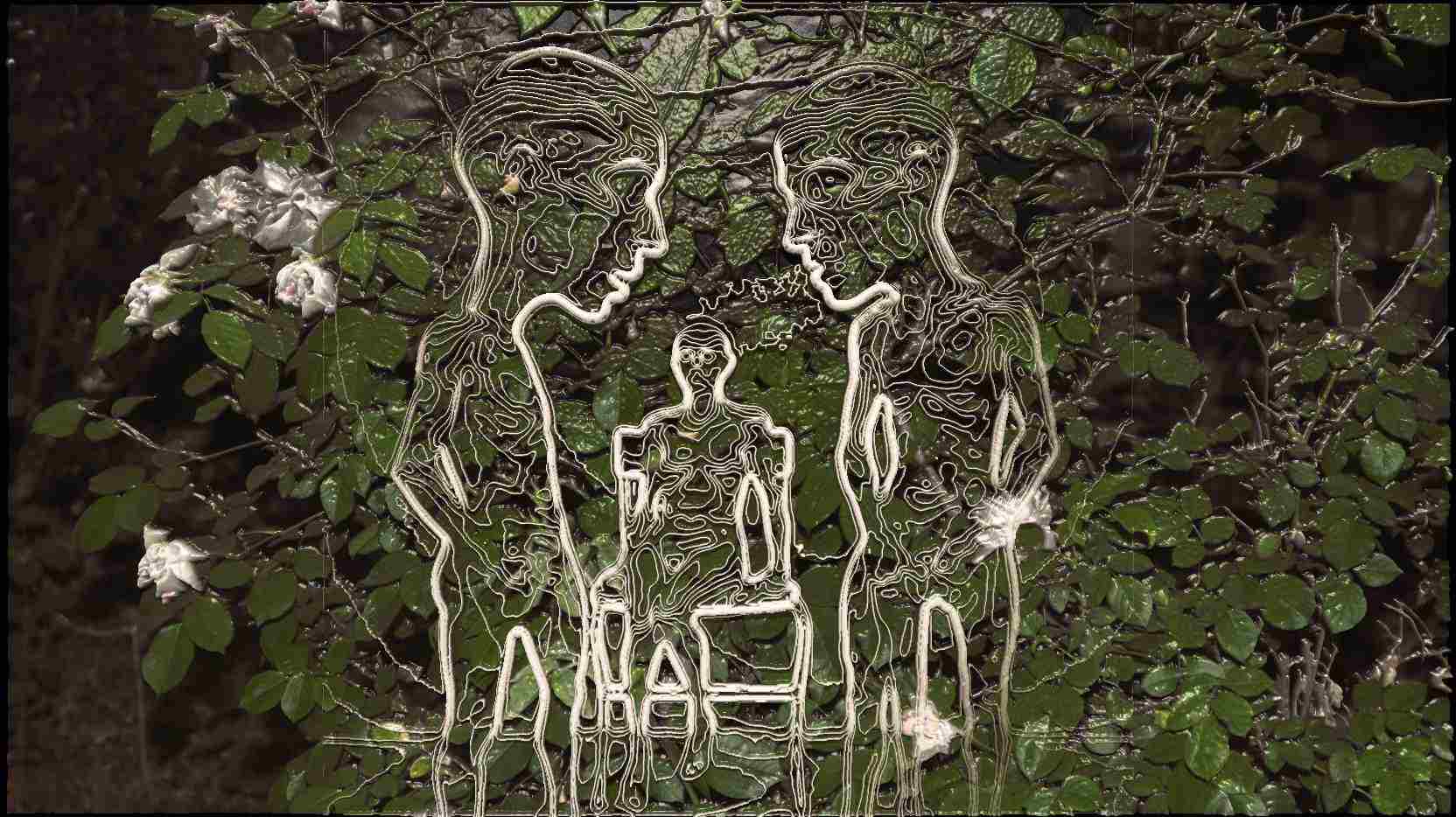
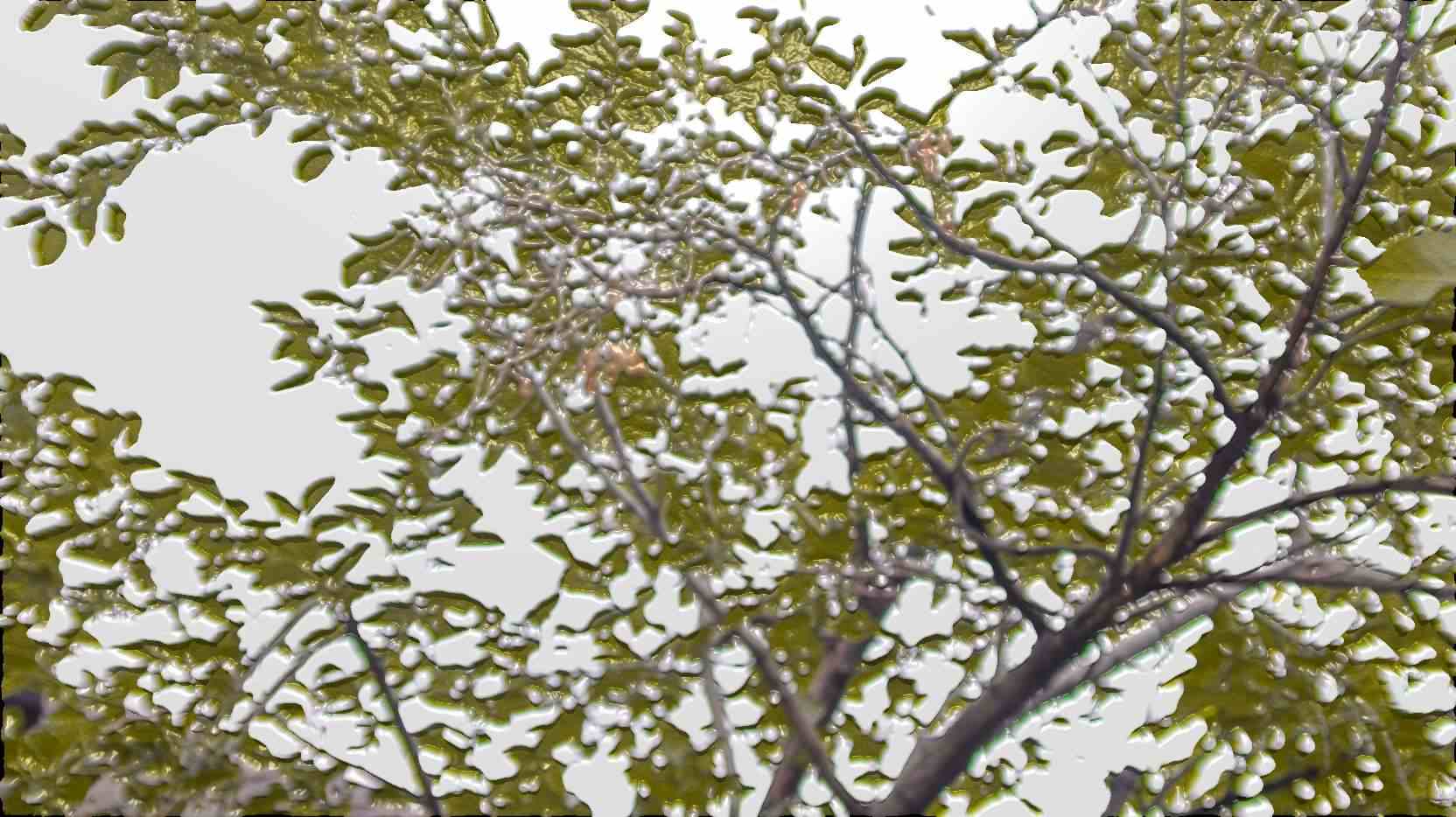
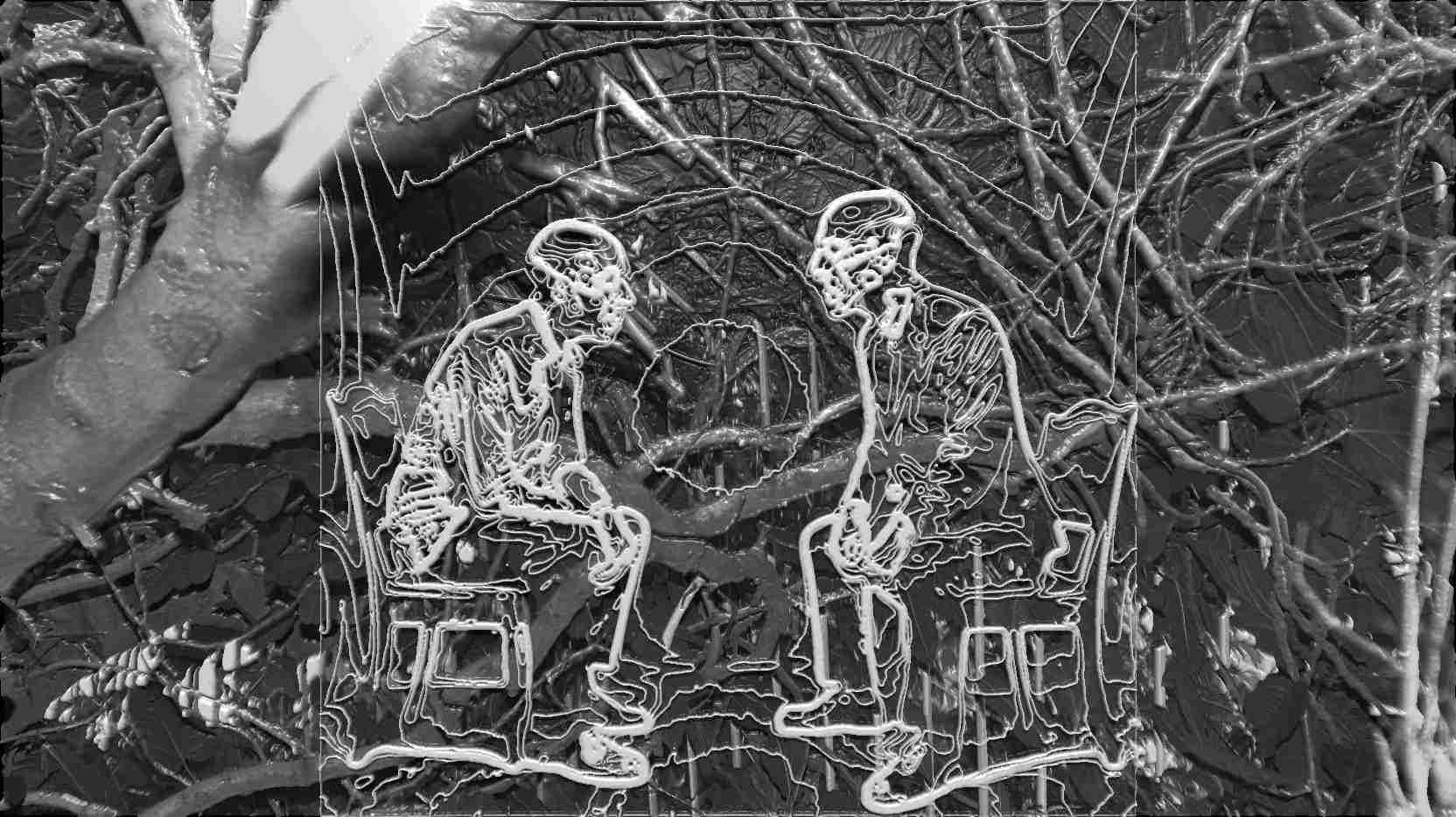
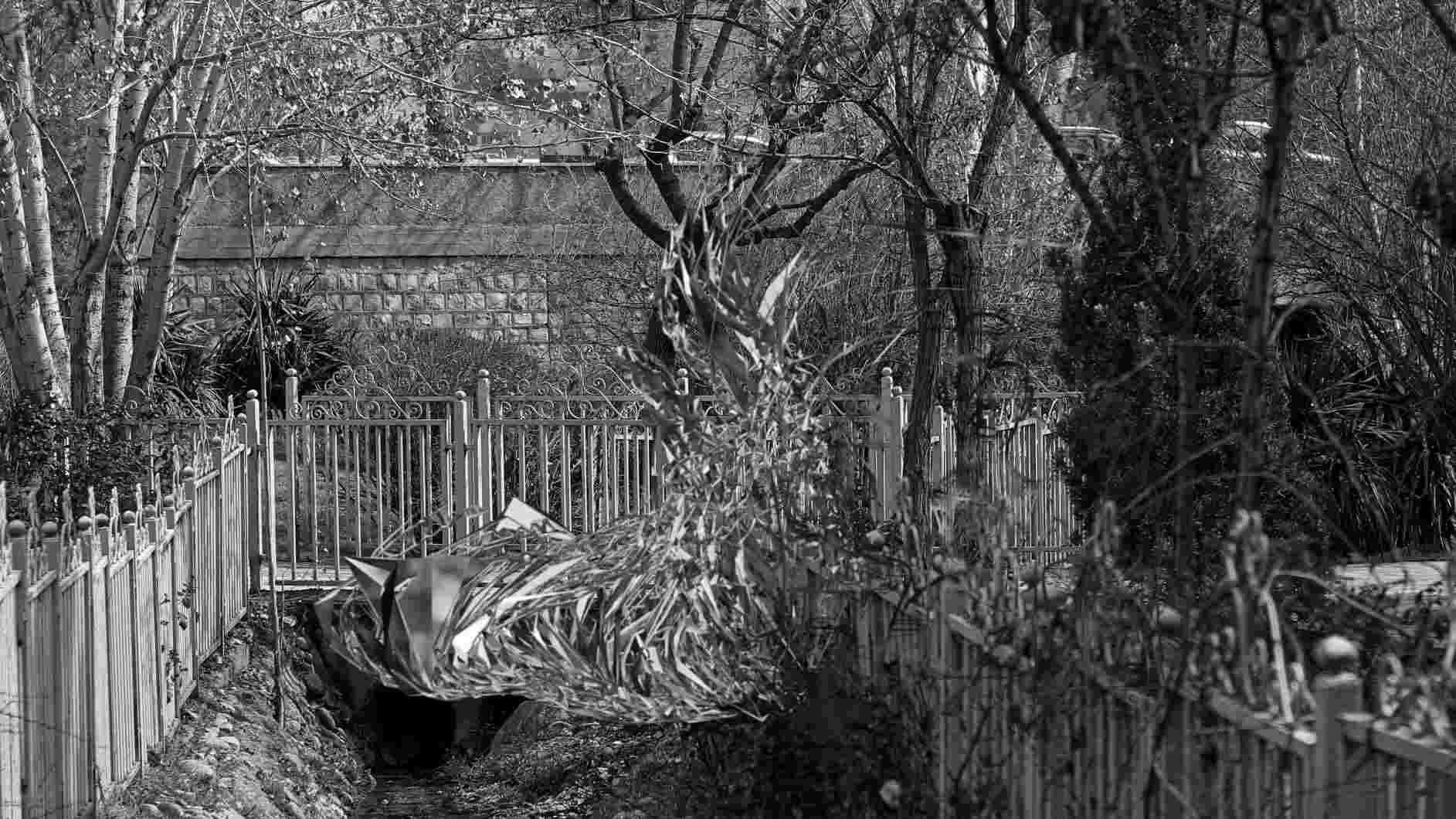
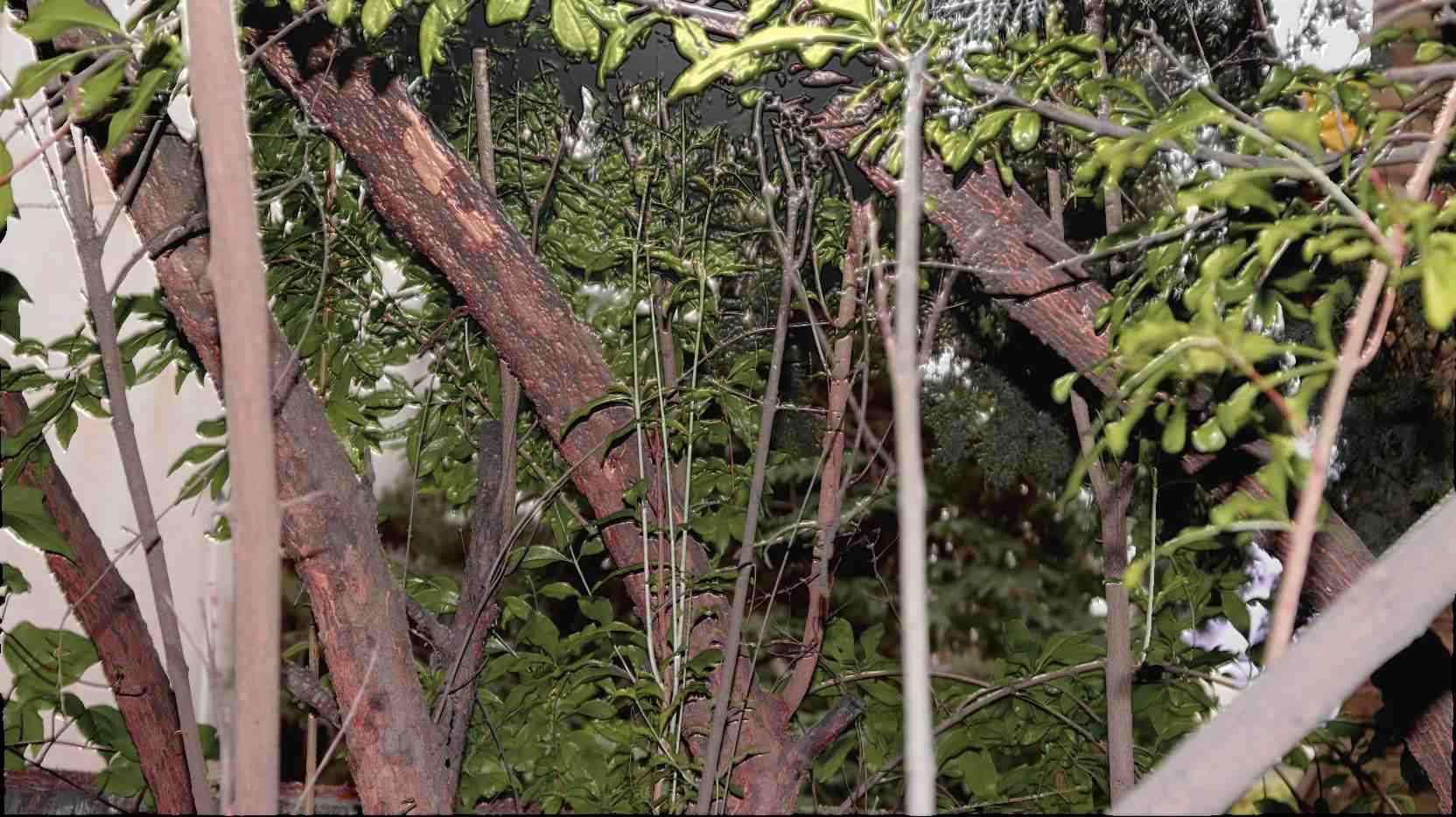
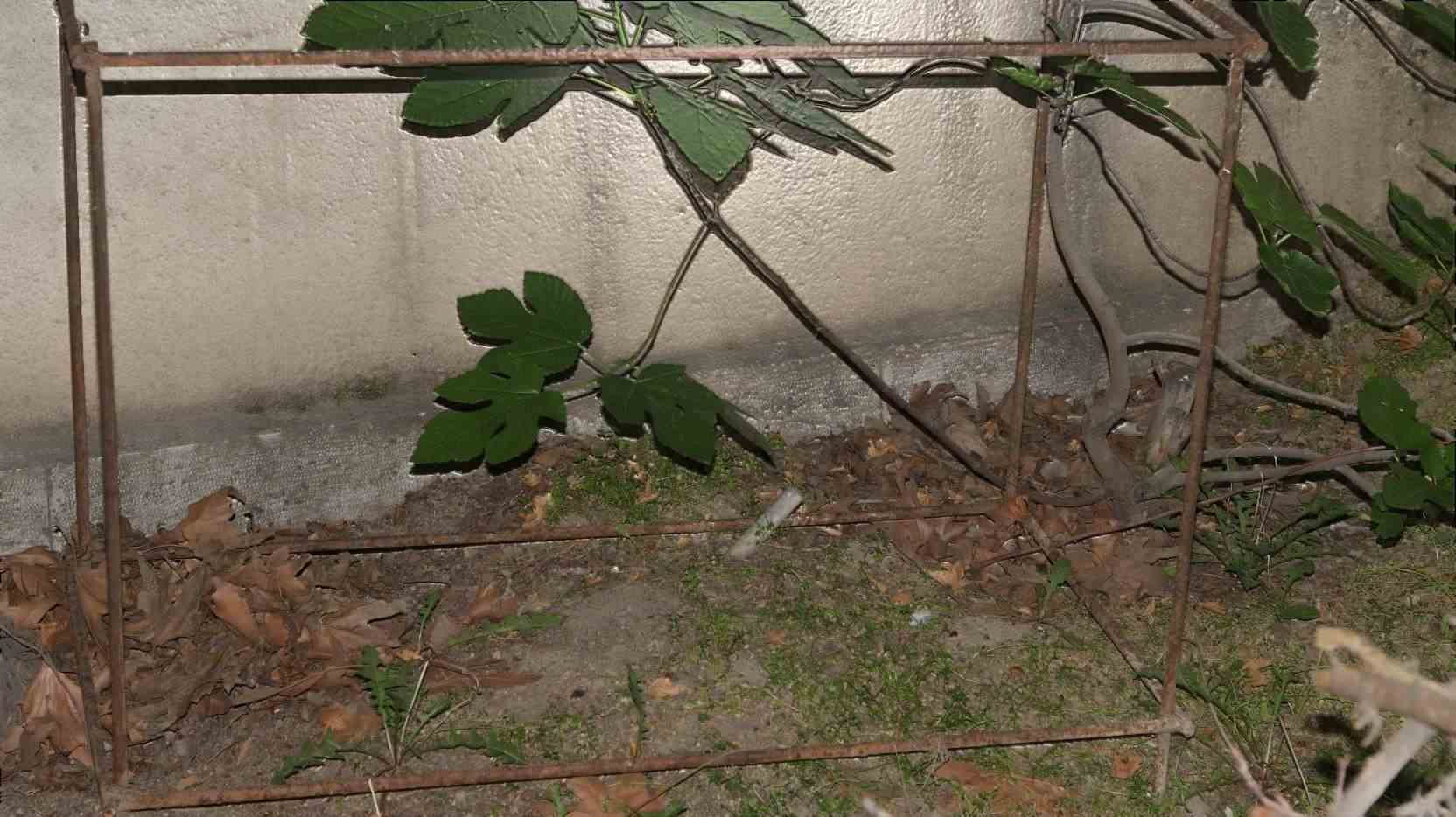
Utopian Dystopia is a hybrid media project consisting of still images, augmented reality (AR) sculptures created with Spark AR, and a two-device communication system. Rooted in the contrasting metaphors of Rudaki’s poetry, the project explores how dystopian imagery, generated via diffusion models and based on symbolic sketches, interacts with lush natural backgrounds traditionally tied to utopian motifs in Persian literature. These visual explorations are accompanied by a machine-to-machine dialogue structured around the Abjad Ḥavaz numerological system, implemented through a custom software application. Together, these components form a poetic system of tension, memory, and encrypted communication—merging ancient symbolism with contemporary algorithmic logic.
Historical Background
This project draws from the contrasting elements in the poetry of Rudaki—a 10th-century Persian poet often regarded as the father of New Persian poetry. Writing in an era when Persian literary culture was still emerging post-Arabic dominance, Rudaki pioneered a language of vivid imagery and formal dualities. His poems are marked by tension: between nature and politics, beauty and decay, presence and absence.
Conceptual Foundation:
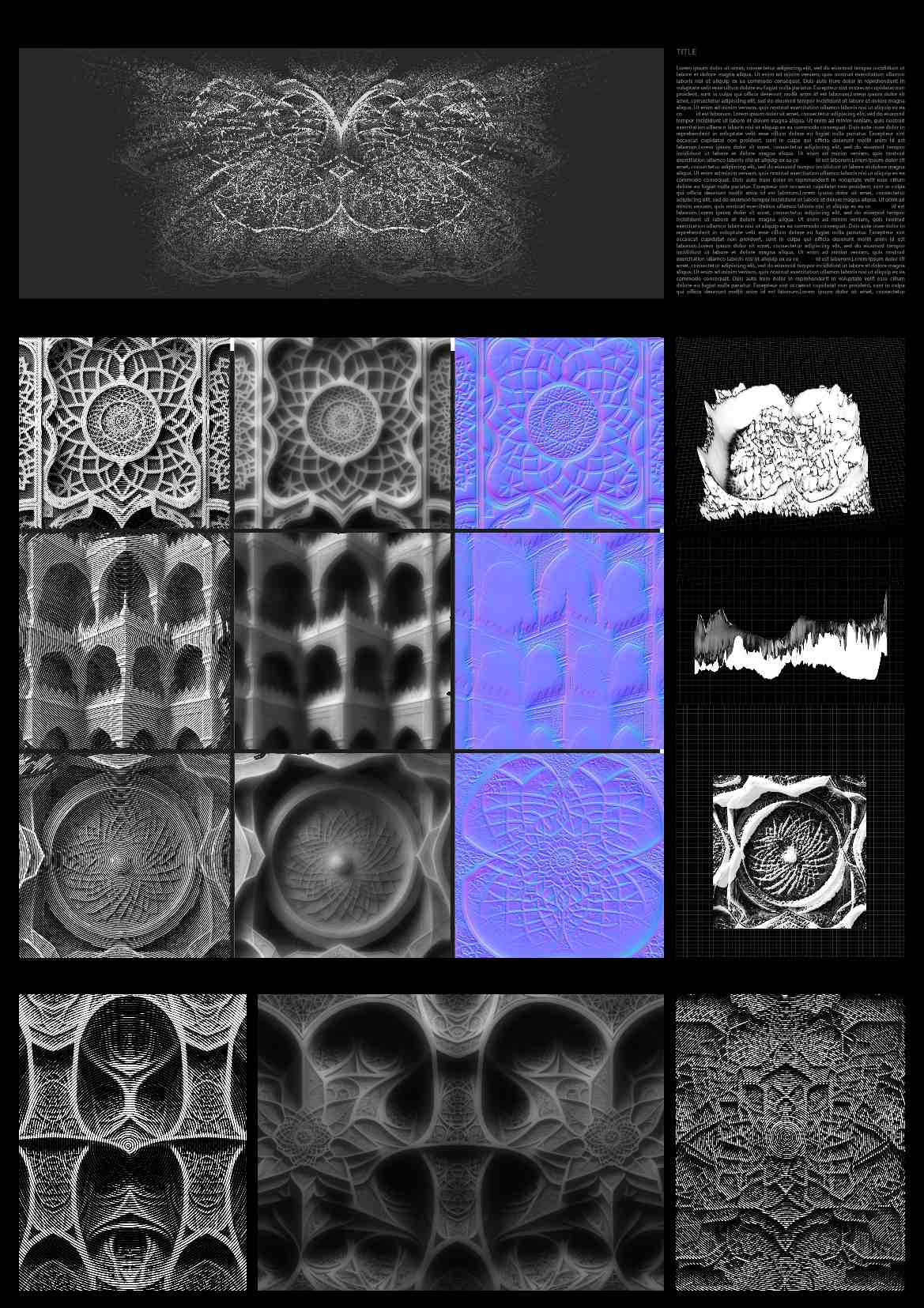
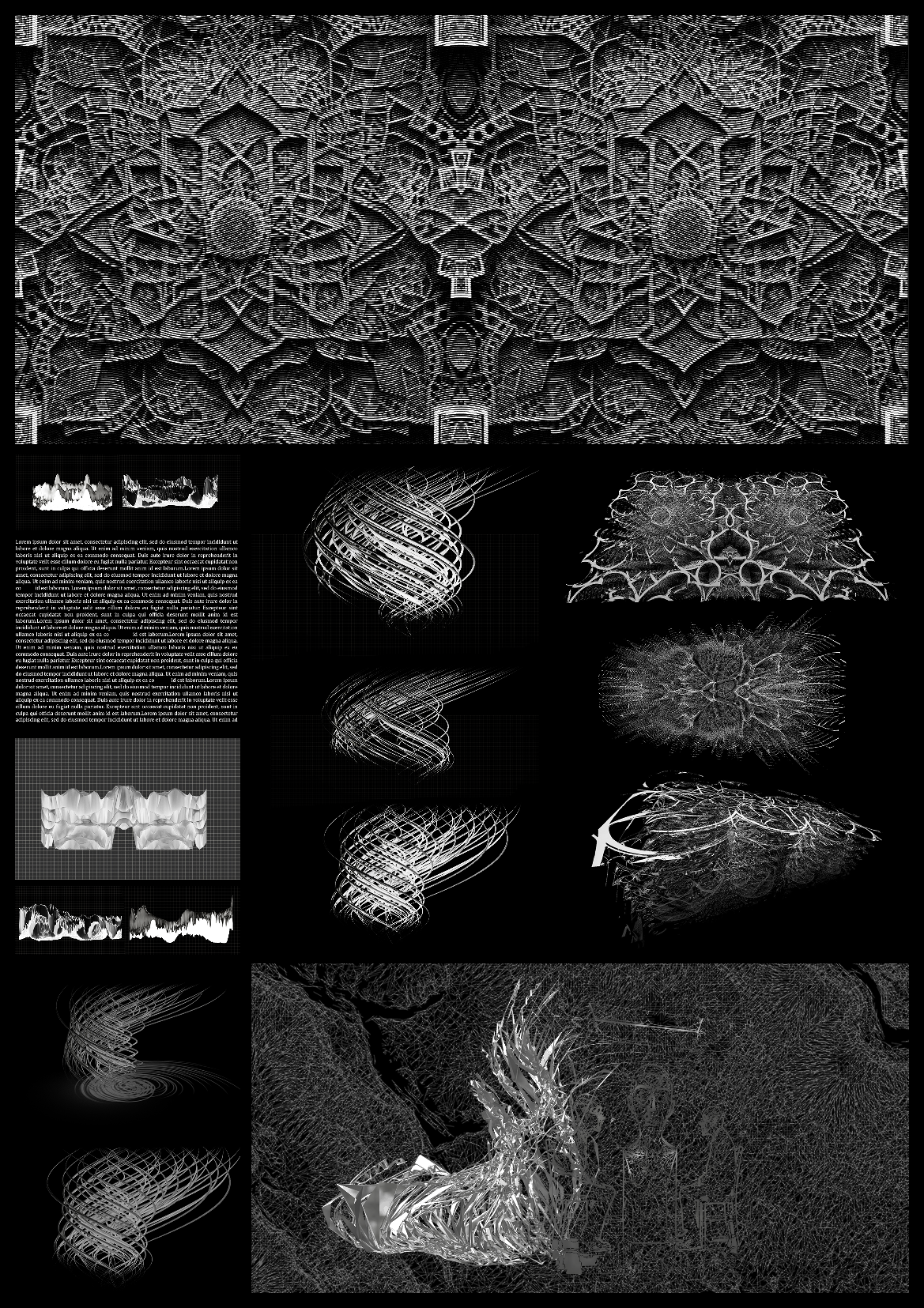
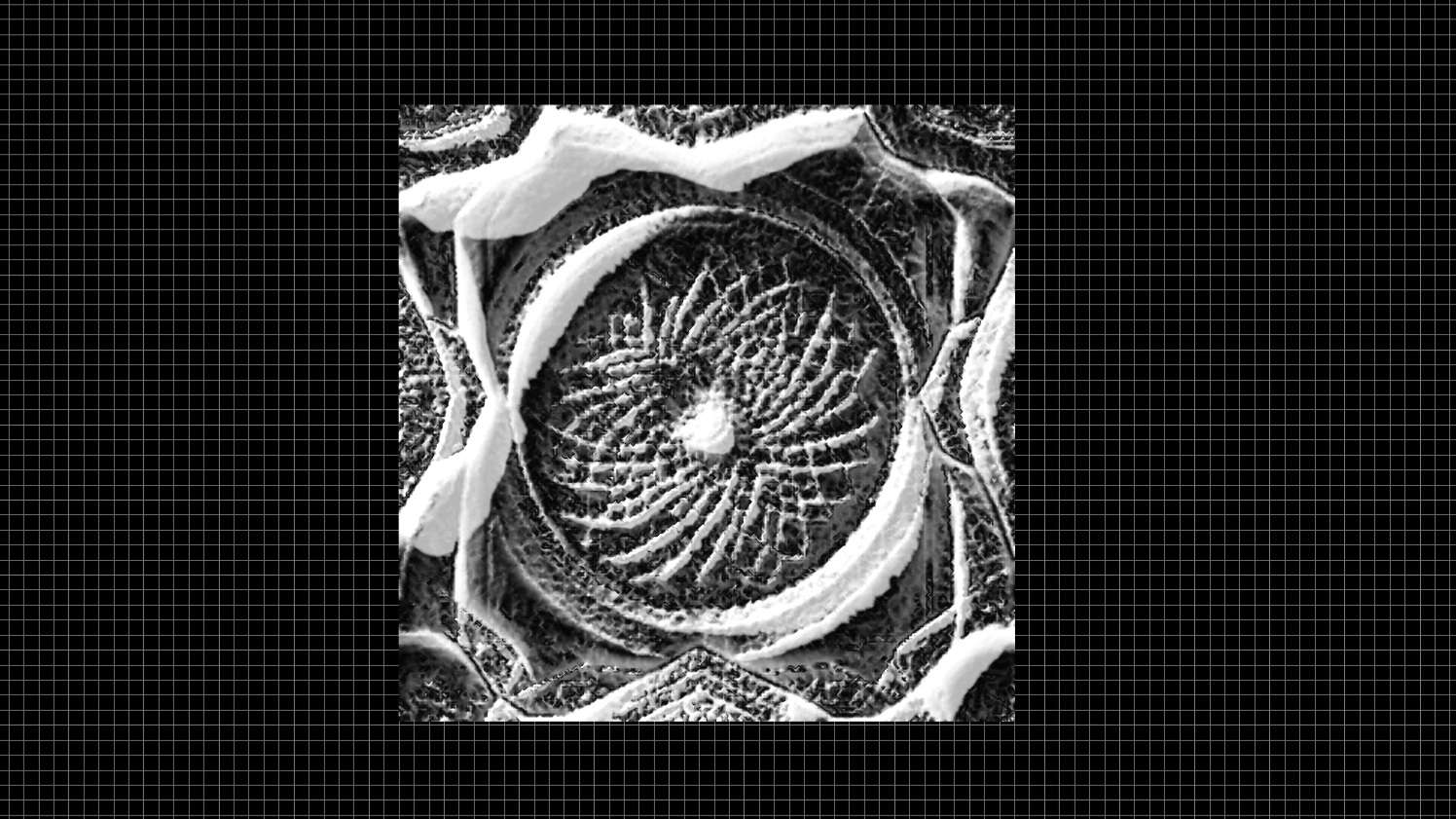
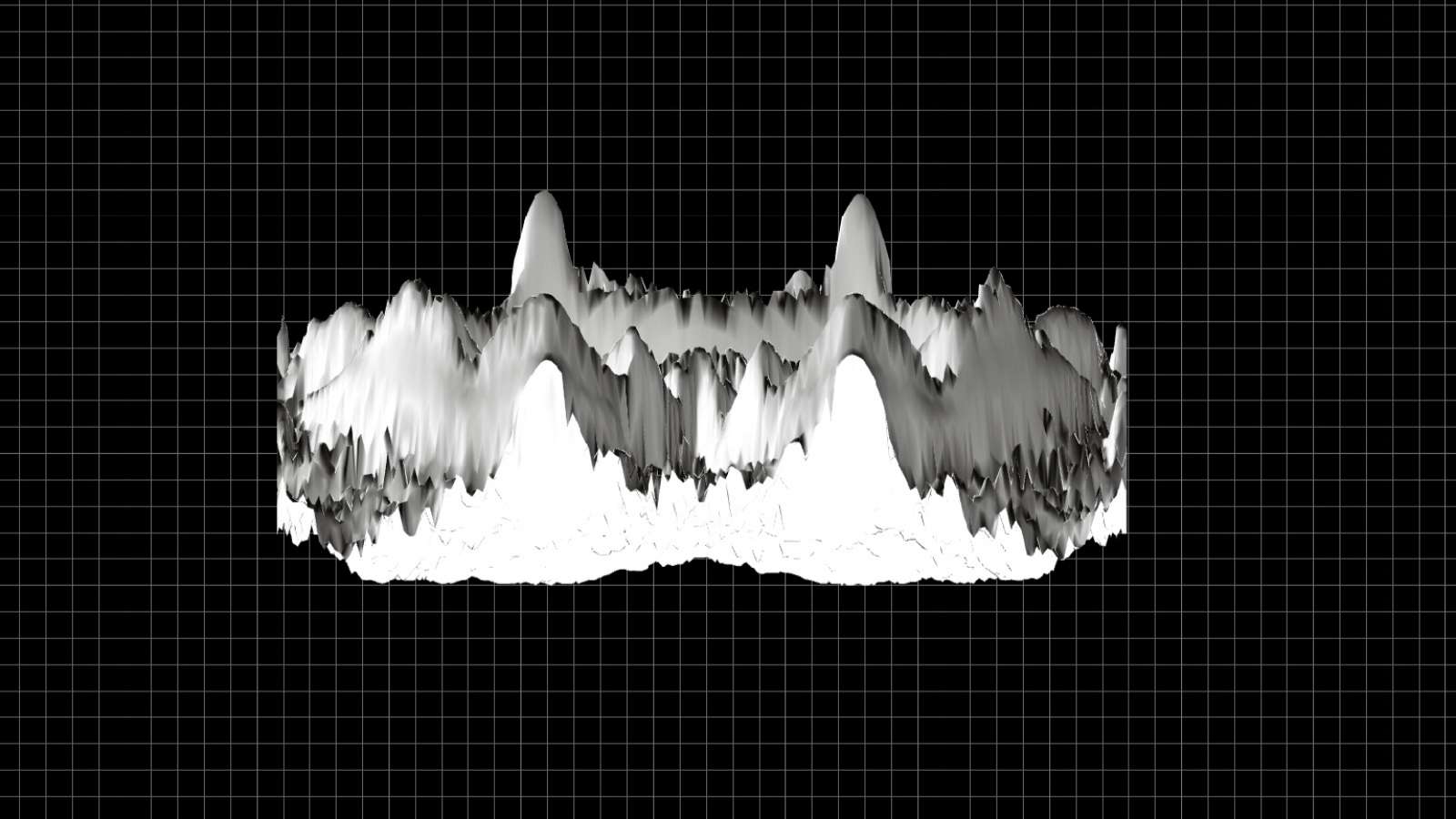
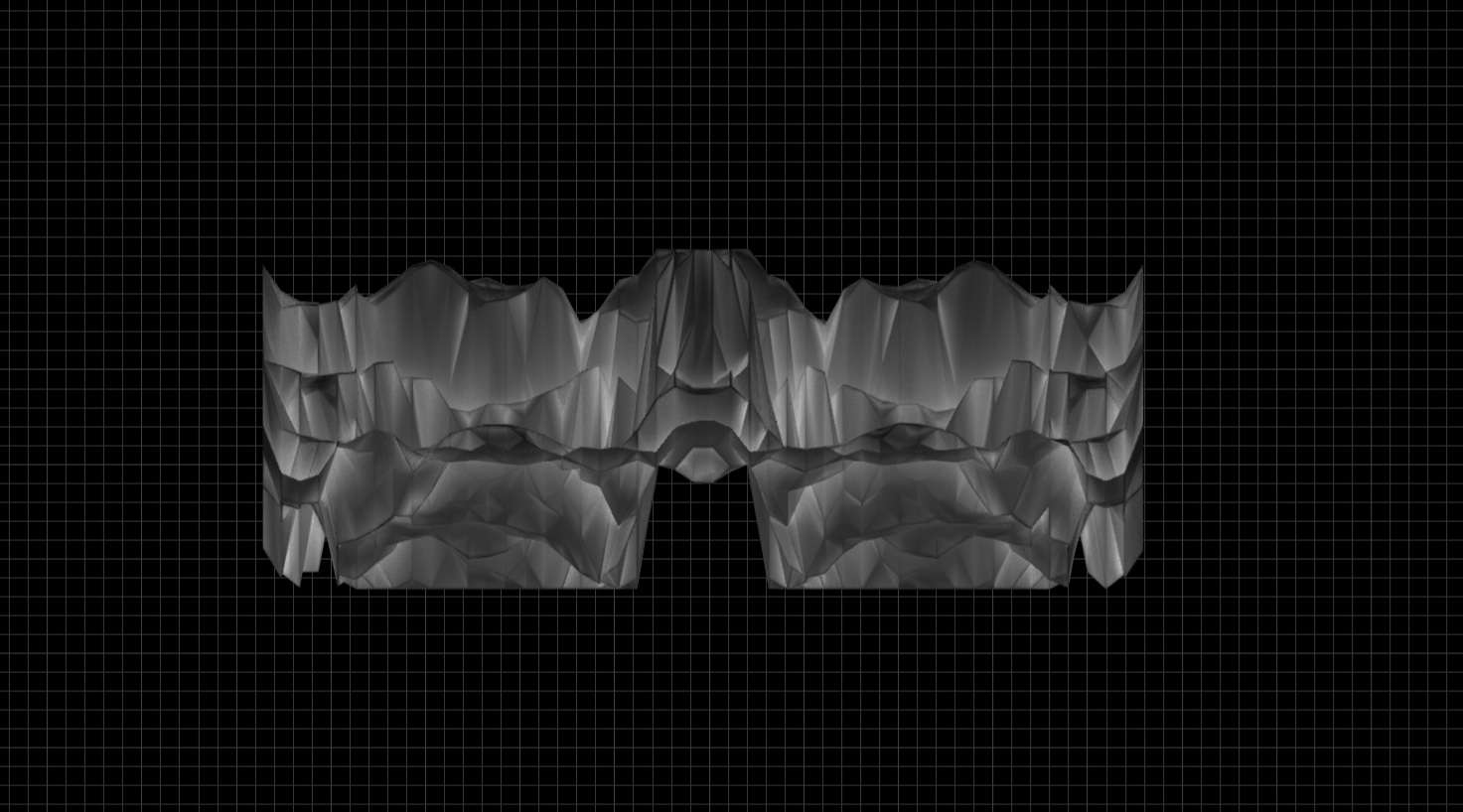
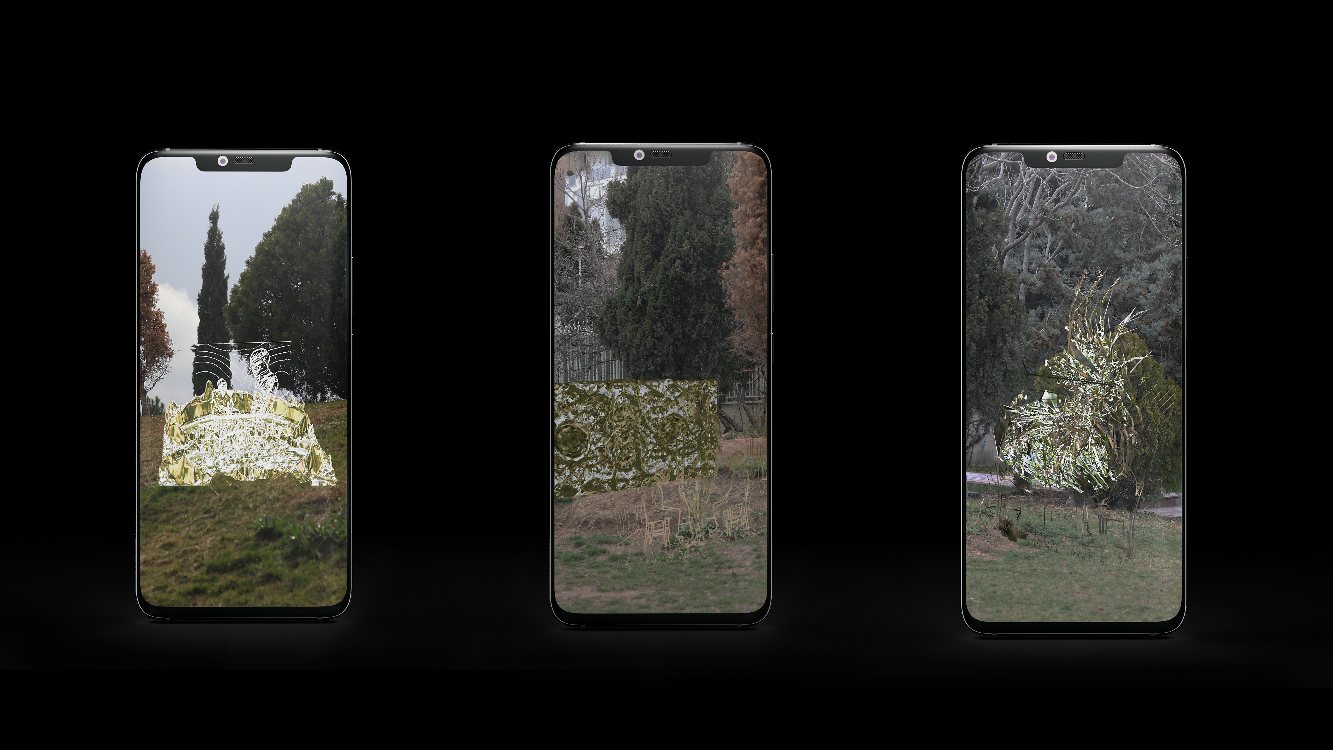
The core of the project lies in symbolic tension—mirroring Rudaki’s use of contrasting themes and metaphors. These textual qualities are translated into visual form through a series of AR sculptures generated via diffusion models and height maps, based on sketches and paintings from my previous dystopian series. Created in Spark AR, these symbolic 3D figures are then composited into natural green landscapes, referencing the utopian imagery often found in Persian poetic tradition.
The juxtaposition between digital dystopia and natural utopia forms the central visual and conceptual tension of the work—an aesthetic structure that mirrors Rudaki’s literary form.
Abjad Ḥavaz: Numerology as Code and Ritual
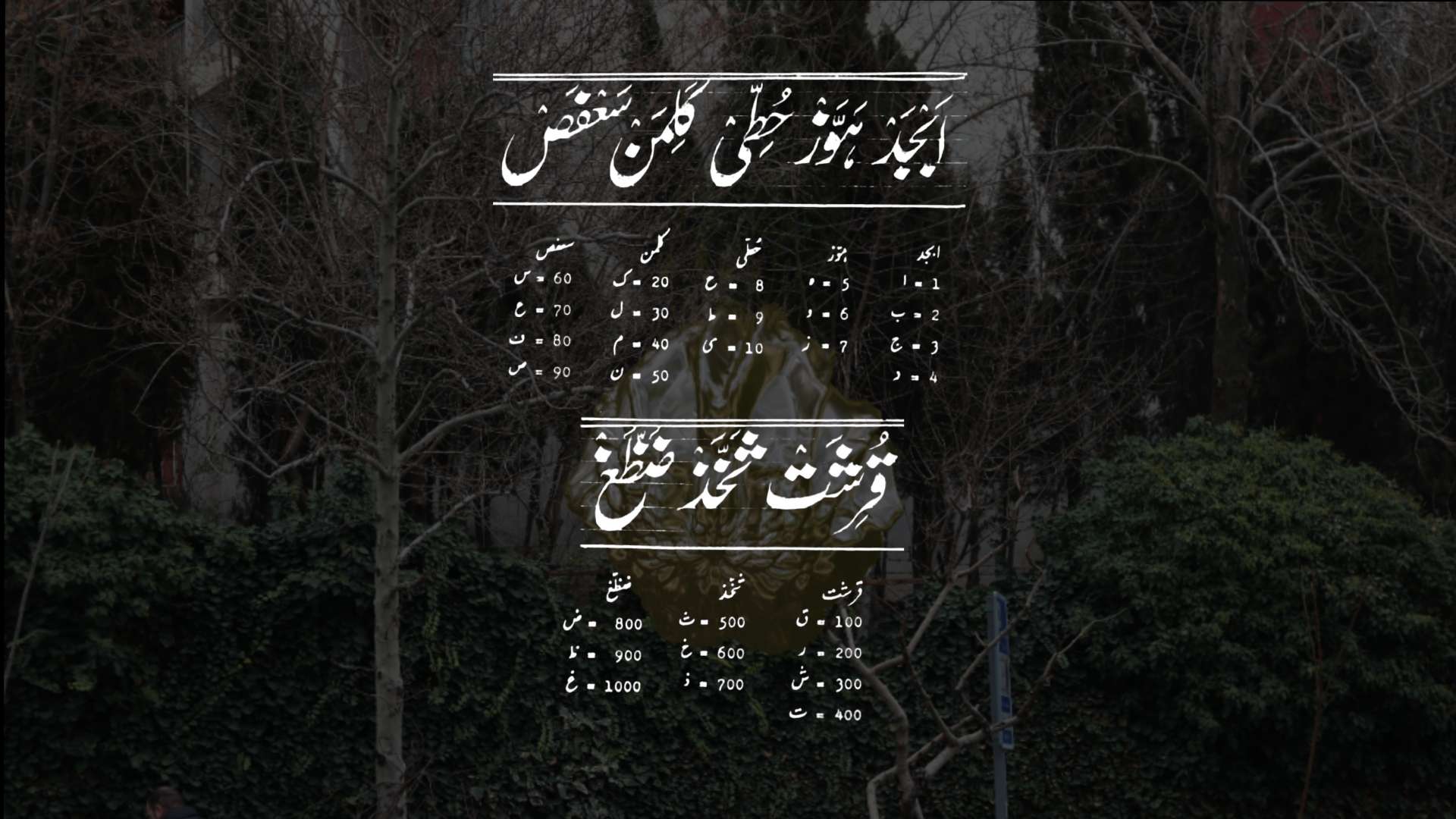
The project integrates the Abjad Ḥavaz system, an ancient Persian-Arabic alphanumeric code in which each letter corresponds to a number (e.g., ‘ا’ = 1, ‘ب’ = 2, ‘ش’ = 300). Historically, this system was used not just for linguistic encoding but also for mystical and divinatory purposes, with certain numerical combinations believed to hold supernatural or esoteric power.
In this project, the Abjad Ḥavaz system becomes both a technical cipher and a metaphysical structure, enabling interaction between devices through encrypted numerical language.
Mediums and Tools
Unity for interactive and VR/AR environment development
Spark AR for AR sculpture design
Diffusion models + height maps for 3D generation
Hand-drawn sketches and symbolic painting series as input data
Custom software for Abjad Ḥavaz-based encryption/communication
Two-device installation functioning as a ritual dialogue interface