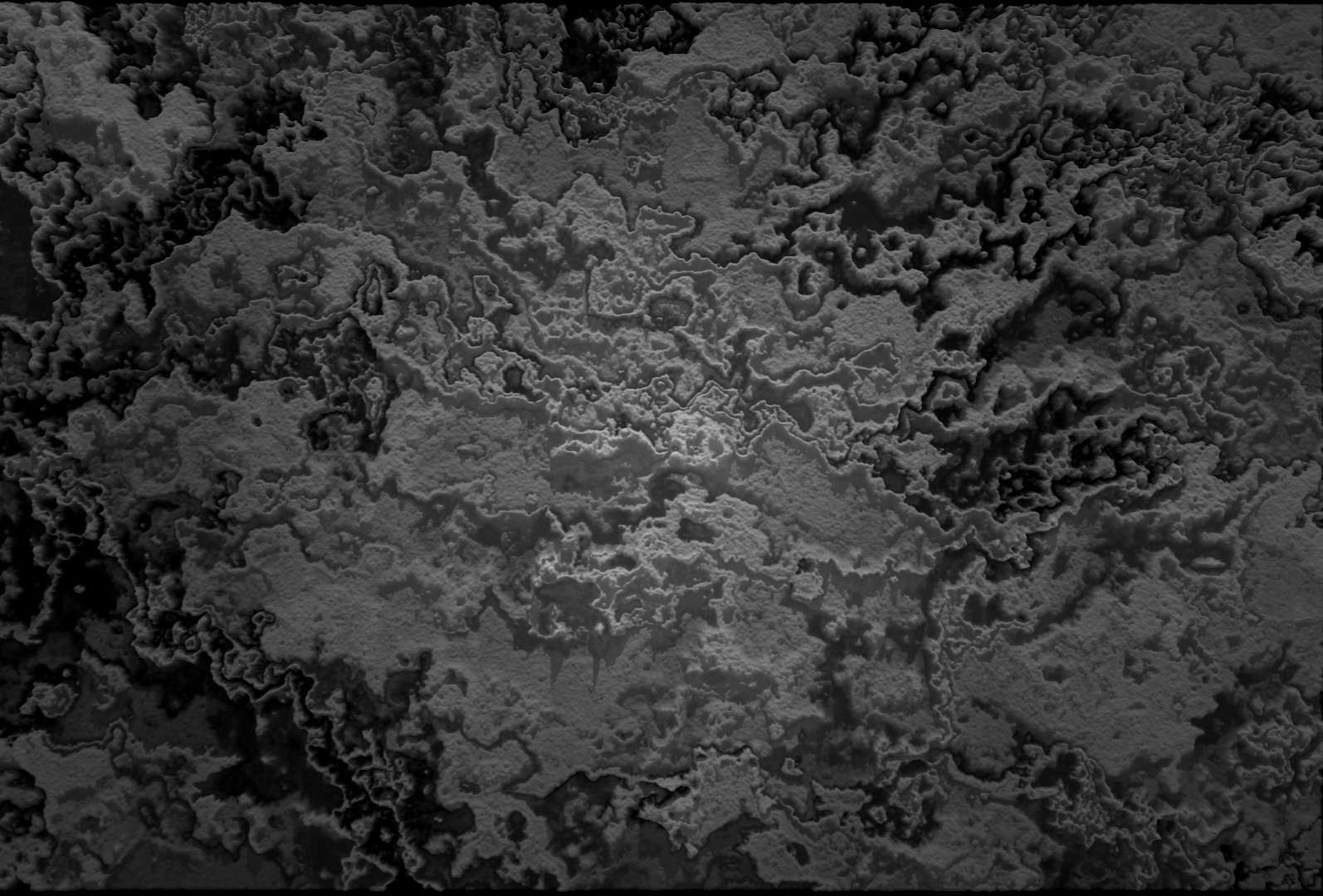
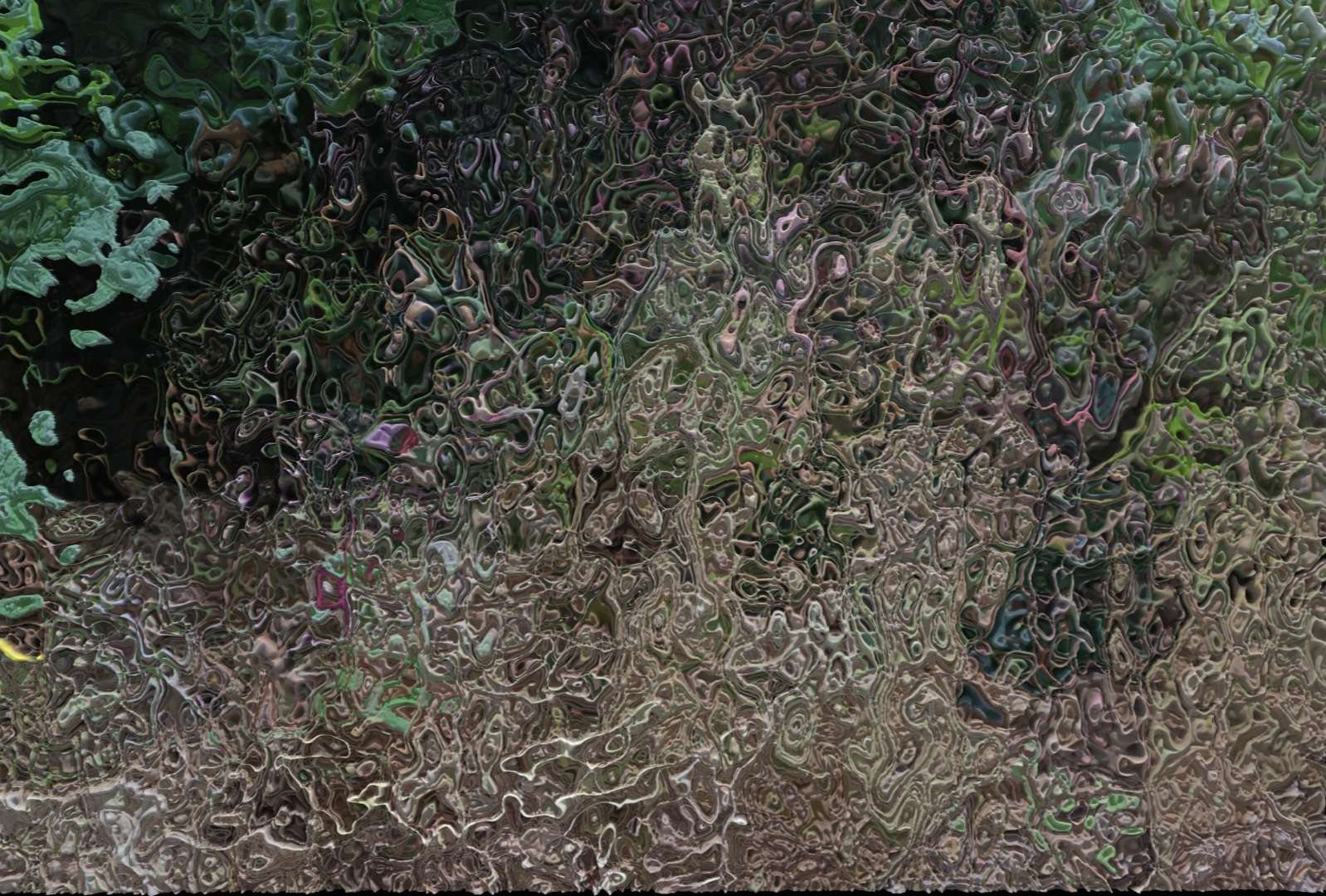
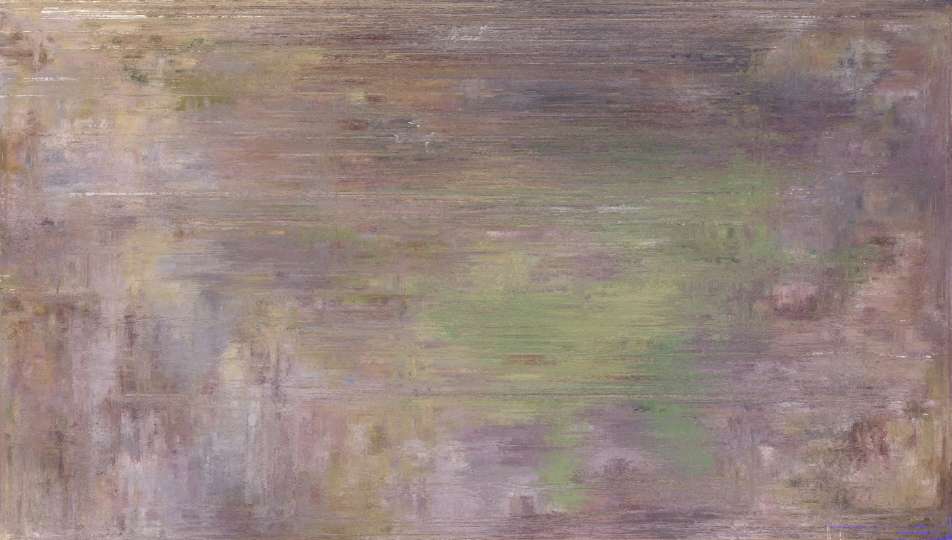
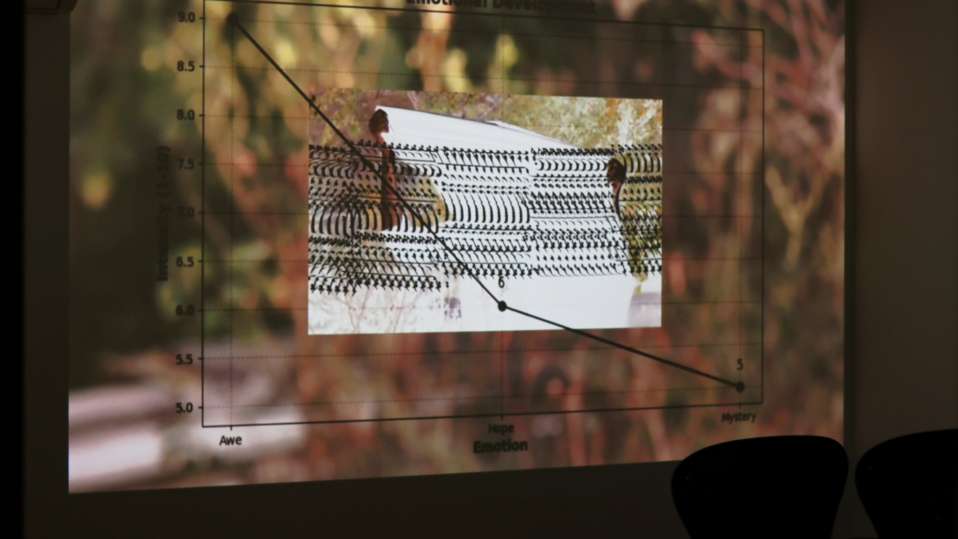
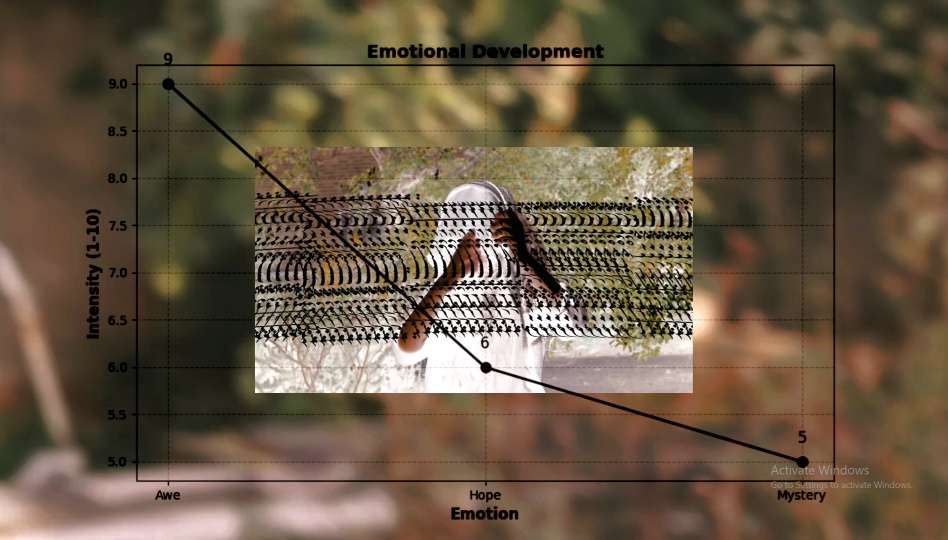
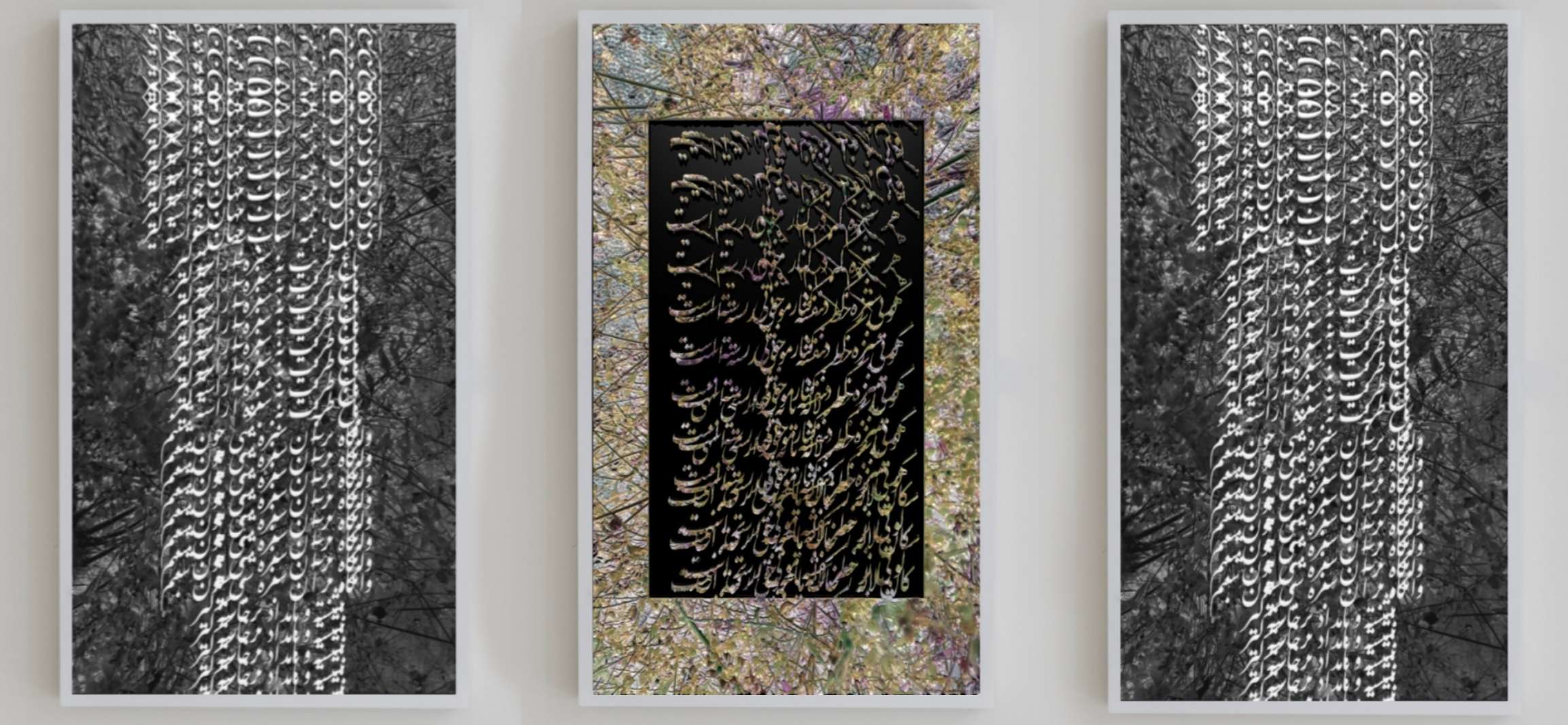
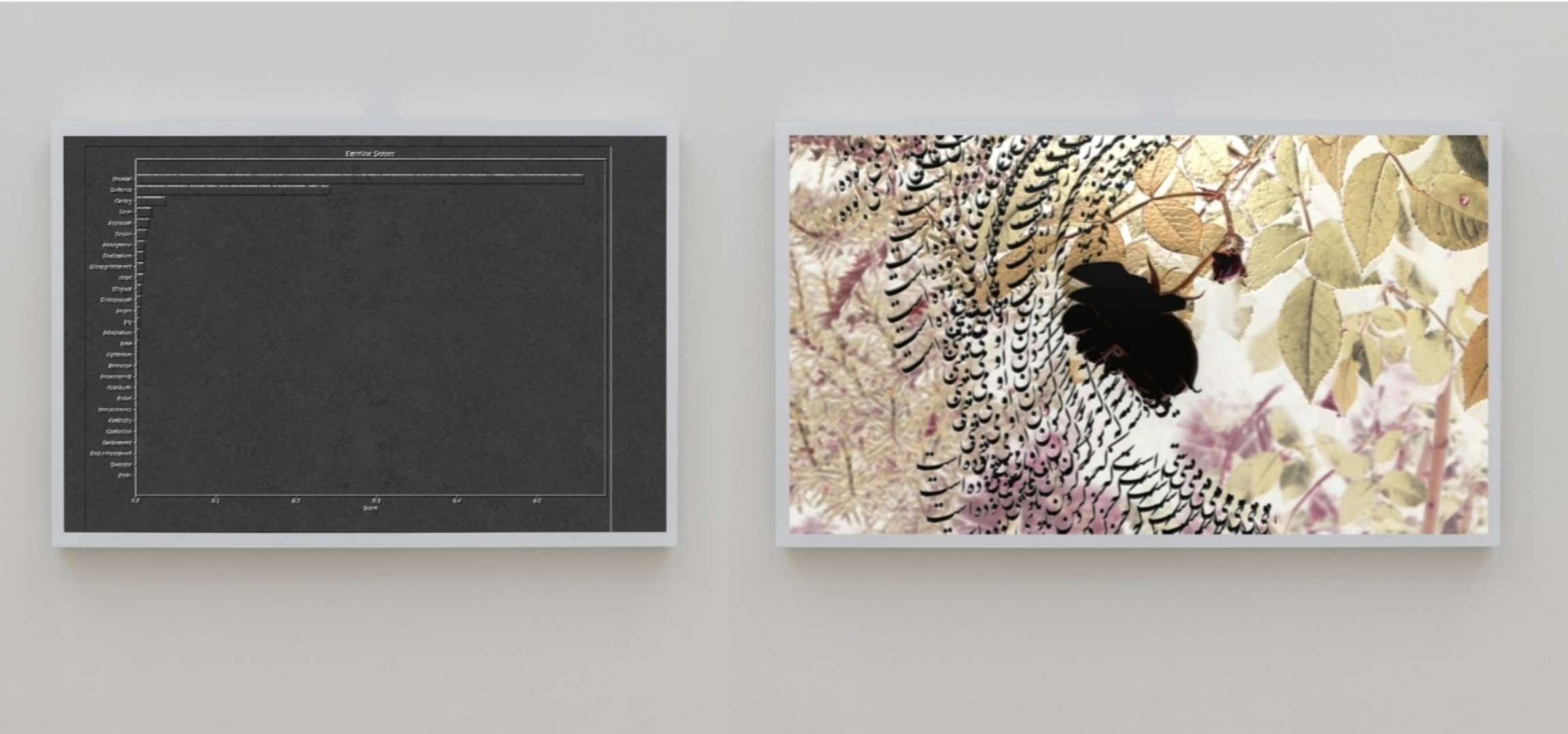
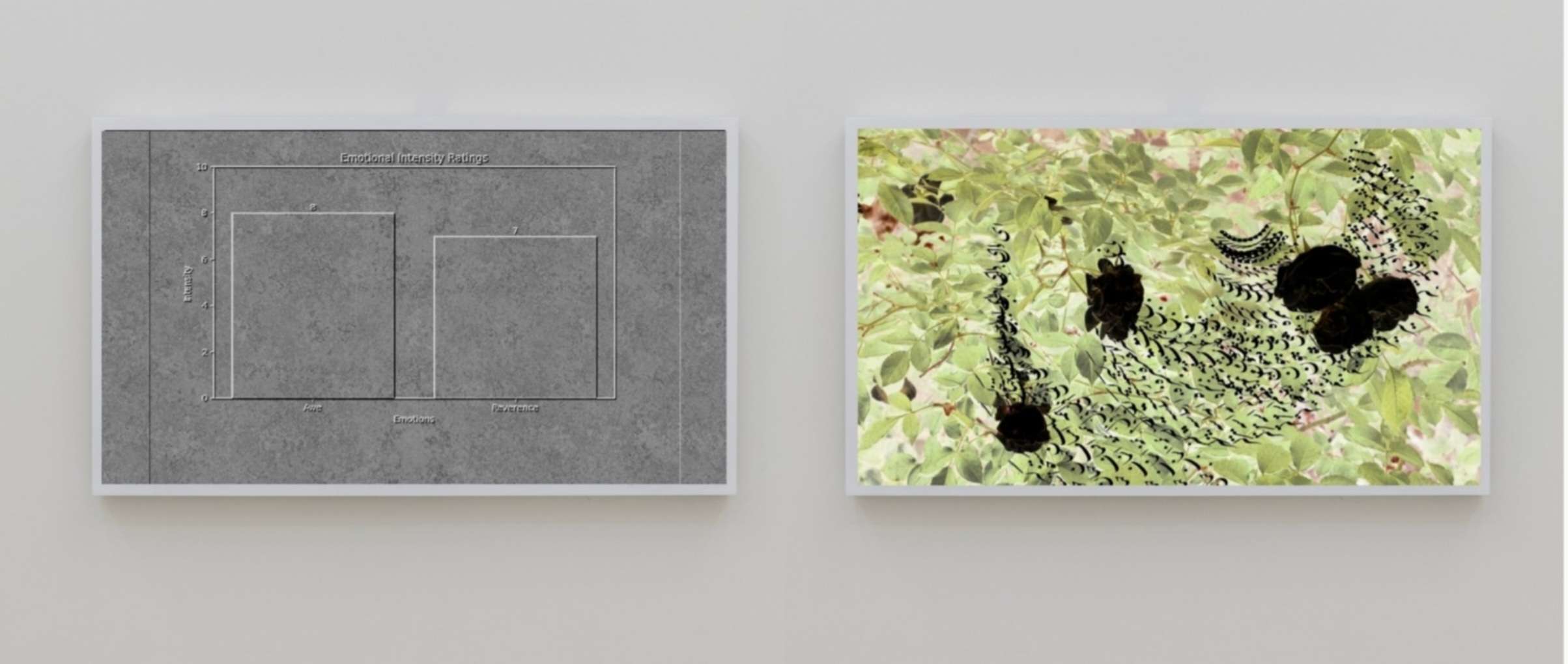
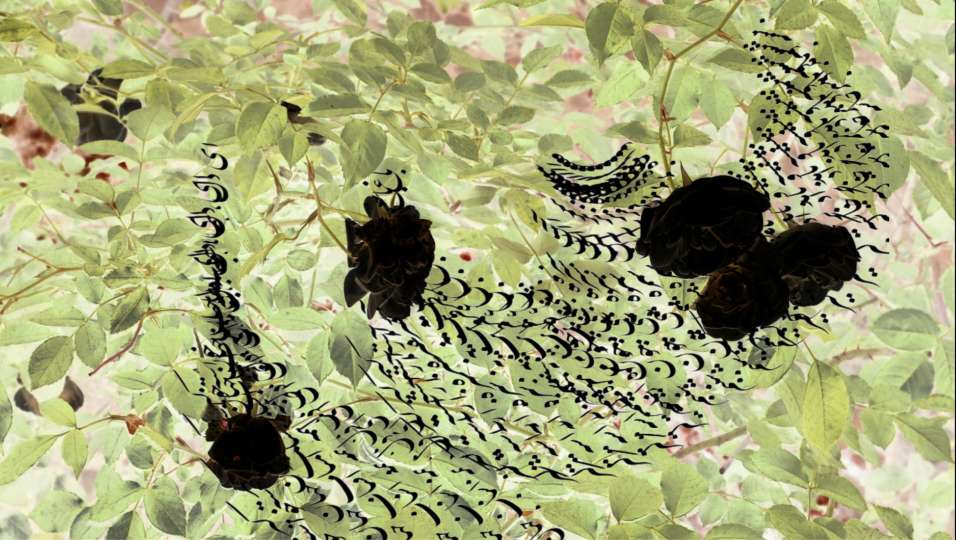
Sentimental Machine, Sentimental Artist investigates the emotional and interpretive shifts that occur when poetic language travels across linguistic and computational boundaries. Centered around the quatrains of Persian poet Omar Khayyam, the project juxtaposes human interpretations of the original Farsi texts with machine-generated sentiment readings of their English translations. By creating still images, moving image works, and emotion diagrams, the project reflects on how meaning—and sentiment—can fragment, distort, or be reassembled through translation.
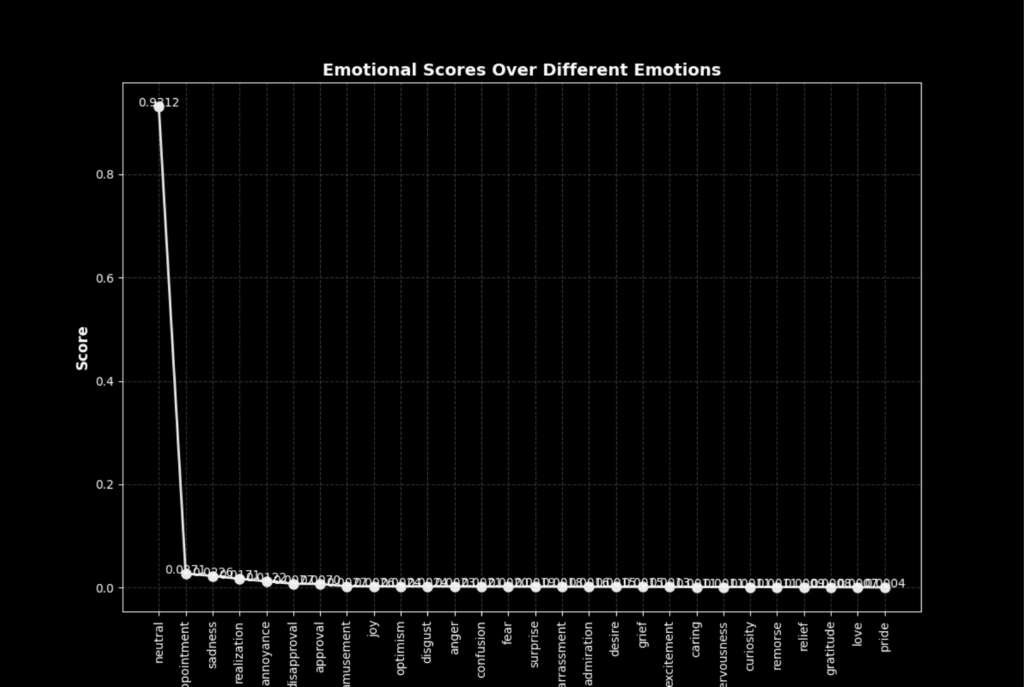
At the core of the work lies a contrast between human expression and machine perception. While the artist visually interprets Khayyam’s original Farsi poems through lens-based and digital media, a computational sentiment analysis model processes the English renderings—specifically those by Edward FitzGerald, whose translations, though widely celebrated, dramatically alter the tone and substance of the originals. Using a GoEmotions-trained RoBERTa model, the project visualizes the machine’s emotional interpretation of the English texts, exposing how cultural context and emotional nuance are often lost or transformed in translation, especially when filtered through AI systems trained on data far removed from the original work’s intent.
Conceptual Context:
The project takes as its starting point the poetry of Omar Khayyam (1048–1131), the Persian polymath best known in the West through Edward FitzGerald’s 19th-century English translations of the Rubāʿiyāt (quatrains). While FitzGerald’s versions brought Khayyam international fame, they significantly altered the original tone, philosophical meaning, and cultural grounding of the Persian texts. As a native Farsi speaker, I re-engaged with Khayyam’s original verses and constructed my own still and moving image works—layering digital photography, lens-based media, and post-processing techniques to reflect the authentic emotional and symbolic qualities of the original poetry.
These moving images were not animated from the stills but created independently, informed by my own interpretation of Khayyam’s Farsi poems—as both a speaker of the language and a human subjectivity engaging with the verse.
Sentiment Analysis and Machine Interpretation
In contrast to my human-centered, language-sensitive reinterpretation, the project also features a machine-generated analysis of emotional content—based not on the original Persian poetry, but on FitzGerald’s English translations, which differ significantly in tone and substance.
For this purpose, I used a fine-tuned RoBERTa model trained on the GoEmotions dataset, a multi-label emotion classification benchmark containing 28 emotion categories. The English texts were processed through this model to generate emotion probability diagrams—visualizations that chart the machine’s interpretation of each translated verse.
This juxtaposition reveals how sentiment detection models, while powerful, are highly sensitive to training data, cultural framing, and language structure. It underscores the risk of assigning emotional value to translated texts, where original semantic and aesthetic meanings are altered or lost.
Technical Summary: GoEmotions Sentiment Analysis
Model: roberta-base fine-tuned on GoEmotions (Hugging Face)