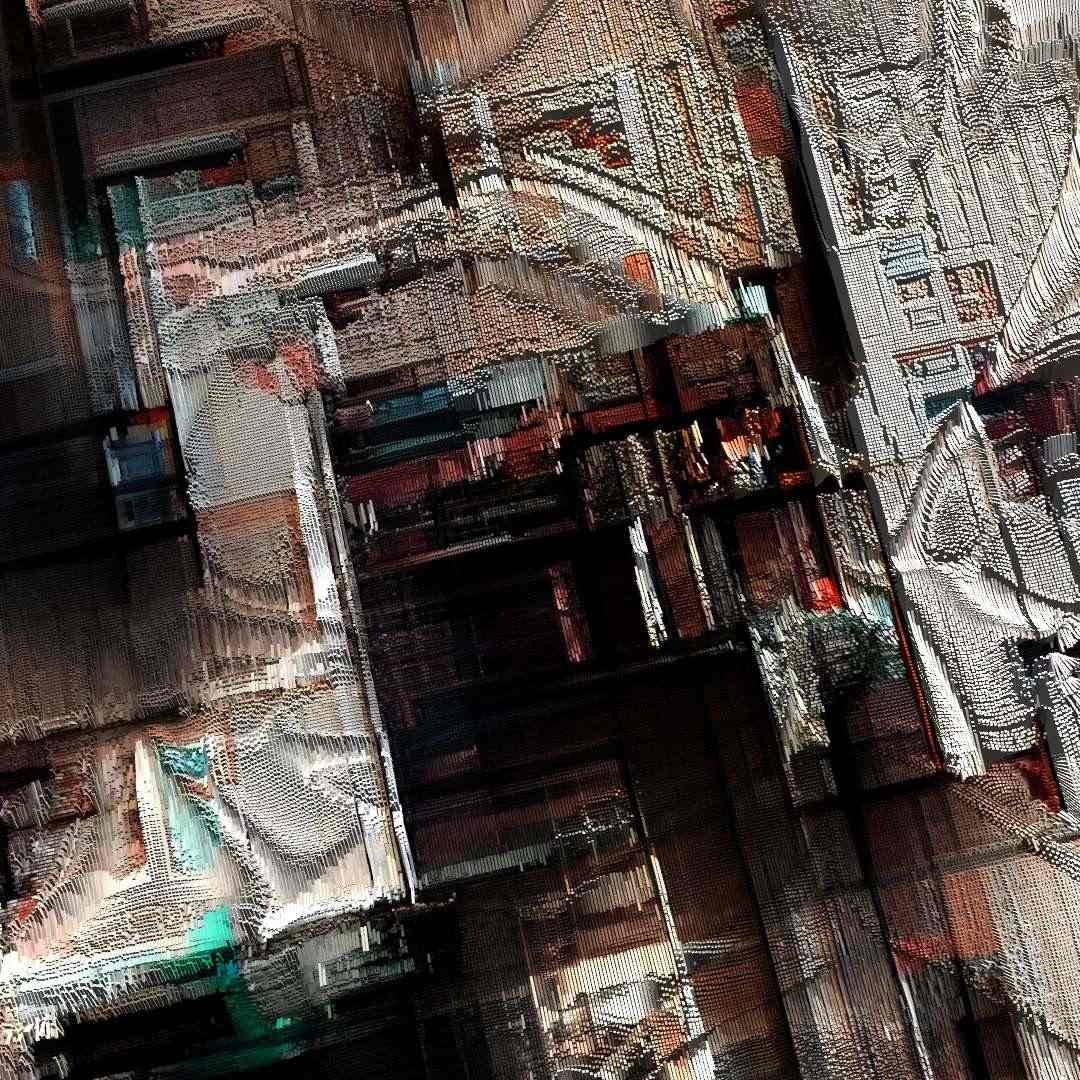
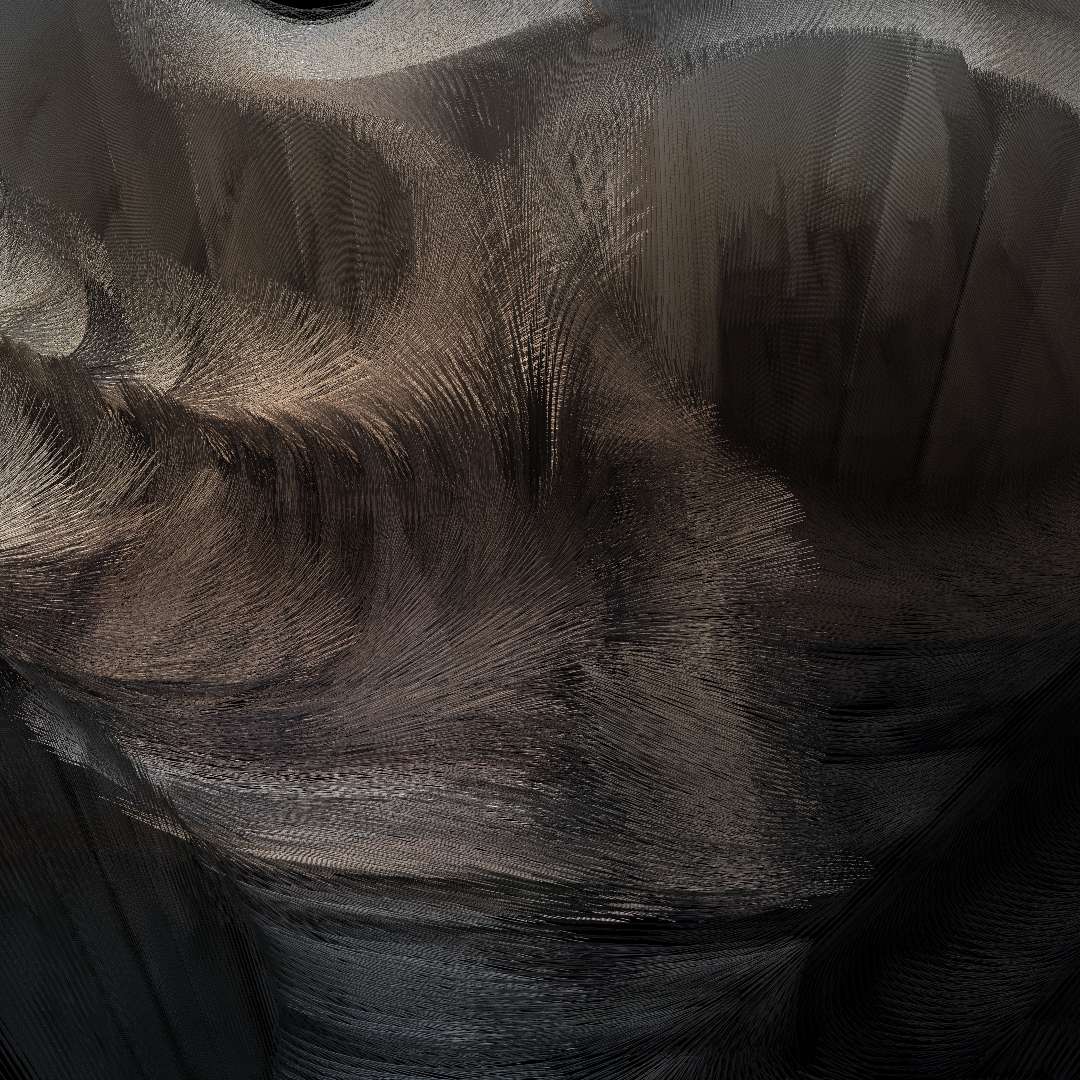
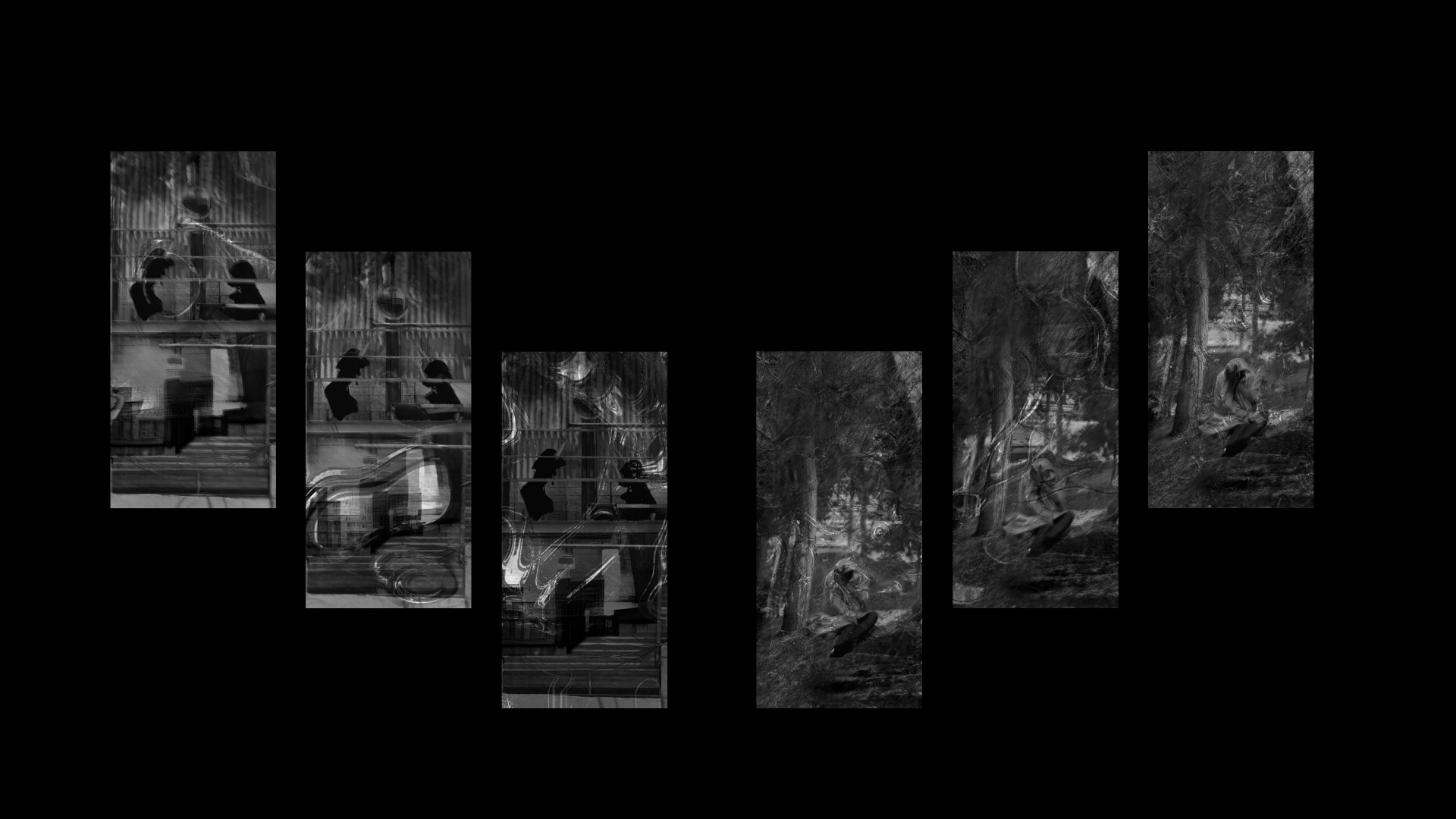
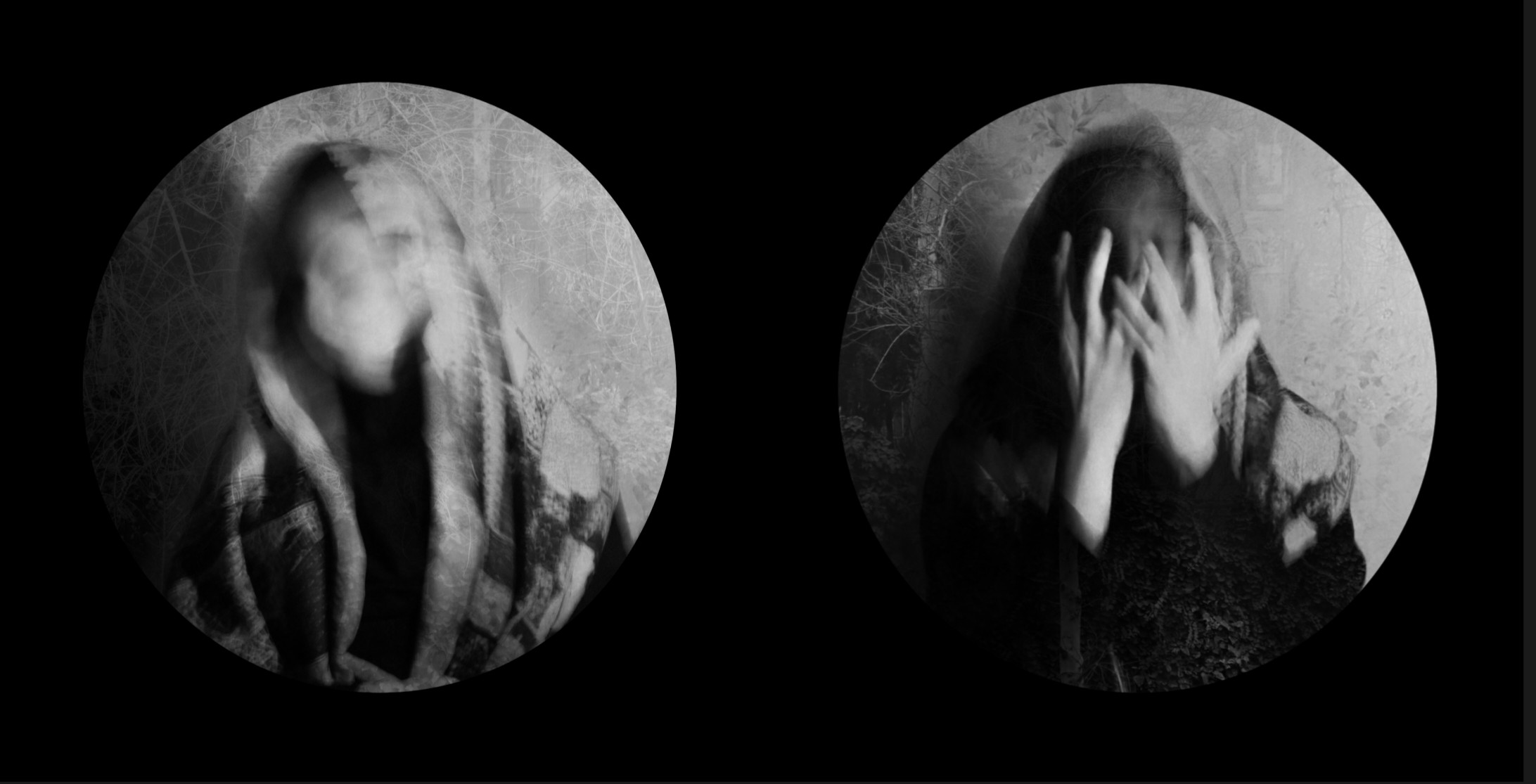
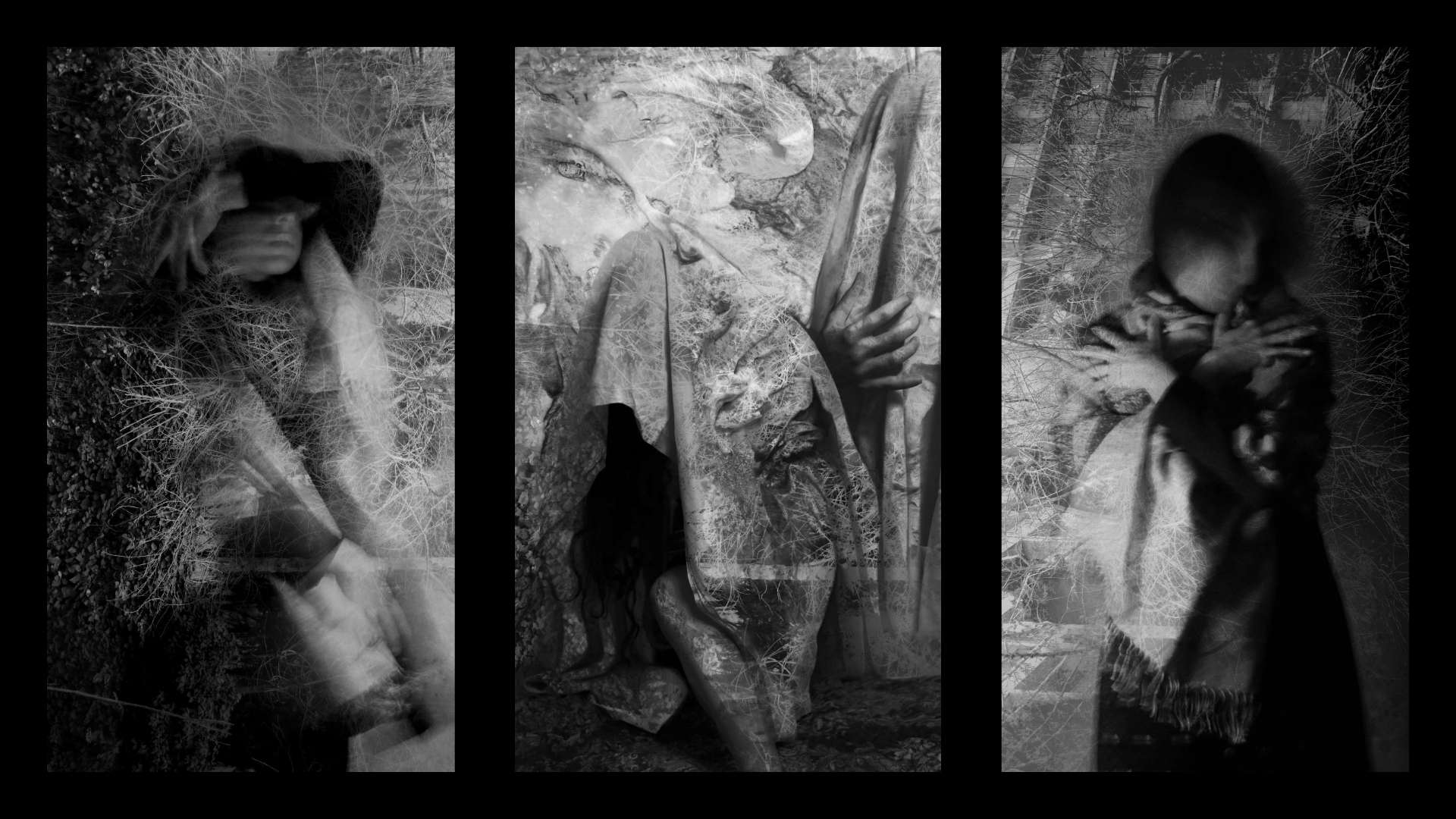
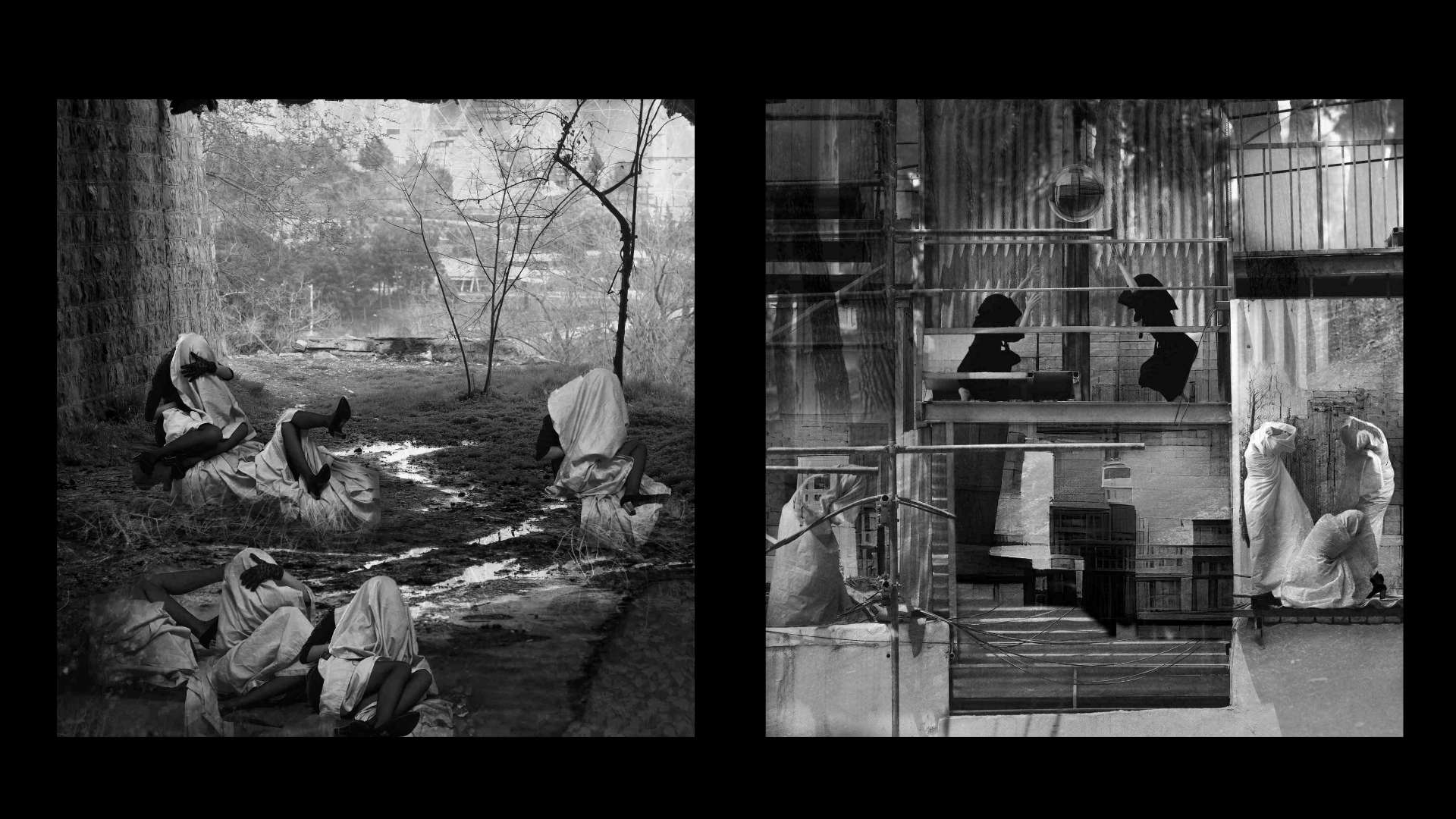
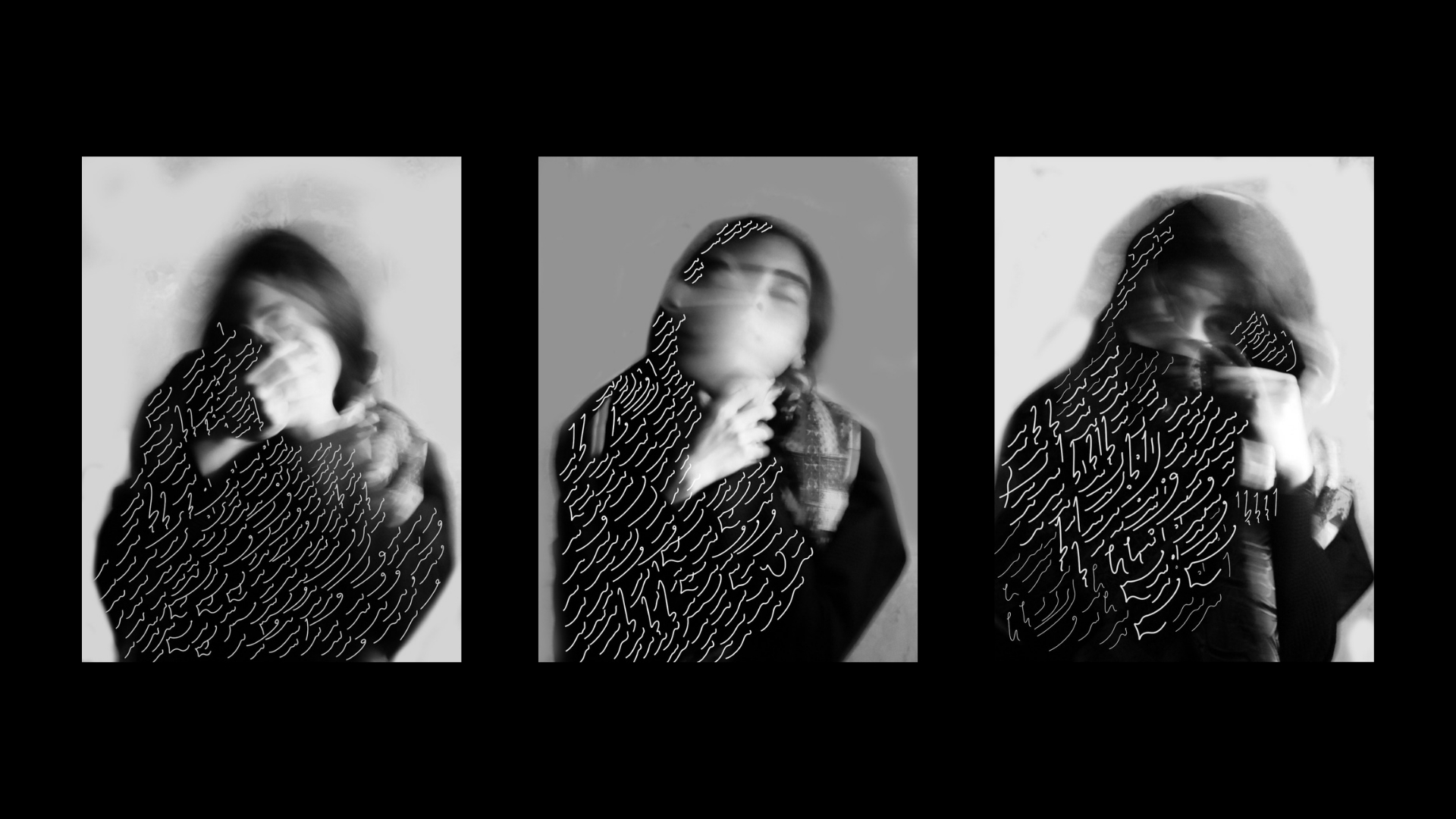
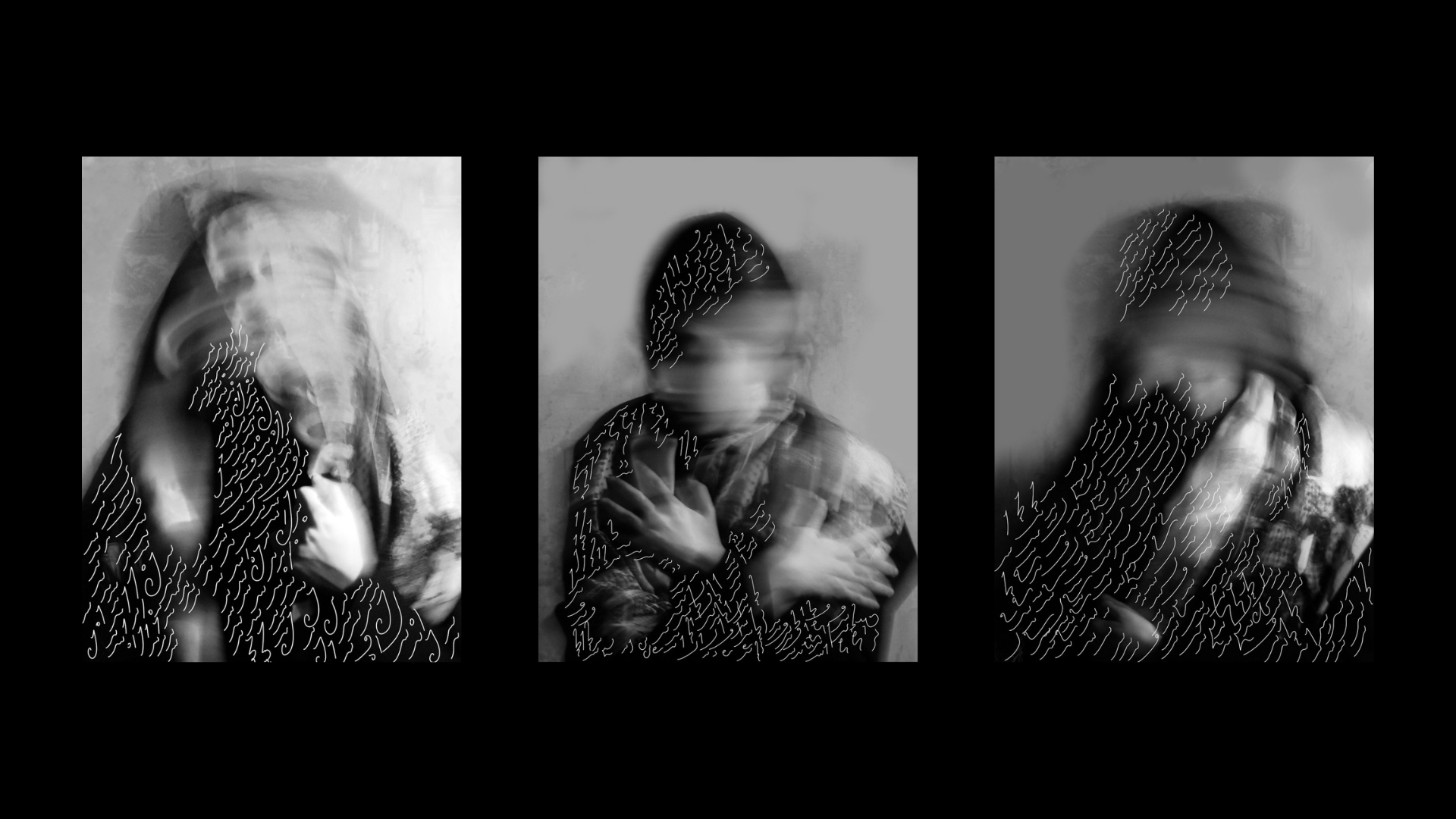
Haunted by Peri is an interactive media artwork that explores the experience of individuals possessed by Peris—mythical beings from Persian folklore, once revered for their connection to femininity and childbirth. With the transition to patriarchal societies, Peris were stripped of their divine status and reimagined as malevolent, seductive spirits who enchant and entrap their victims through delusions and hallucinations. This project uses optical illusions, VAE-based neural image manipulation, and human-computer interaction to evoke the elusive, ephemeral presence of these mythic figures in foggy, watery landscapes.
Through an integration of real-time light effects and latent-space image generation, the resulting body of work immerses viewers in a space where illusion, myth, and machine vision intersect.
Conceptual Framework
The artworks in this collection delve into the perspective of a person possessed by a Peri. In the mythological context of Persian folklore, Peris were originally linked to matriarchal agricultural societies, symbolizing sacred femininity and childbirth. Over time, patriarchal culture marginalized their divine role, transforming them into seductive and threatening figures in popular literature.
They captivate their victims, ensnaring them in states of illusion and delusion—often interpreted as madness. This project visualizes that experience, creating visual environments that reflect mental disorientation and enchantment.
Peris appear and disappear quickly, often in foggy areas near water sources. These visual cues shape the aesthetic of the work. Using light-based illusions and human-computer interaction, the artworks reproduce the uncertain, hallucinatory perception associated with their presence. The degree of distortion in the imagery responds to audience presence, including footsteps, proximity, and murmurs, turning each encounter into a co-constructed experience between viewer and machine.
Technical Process
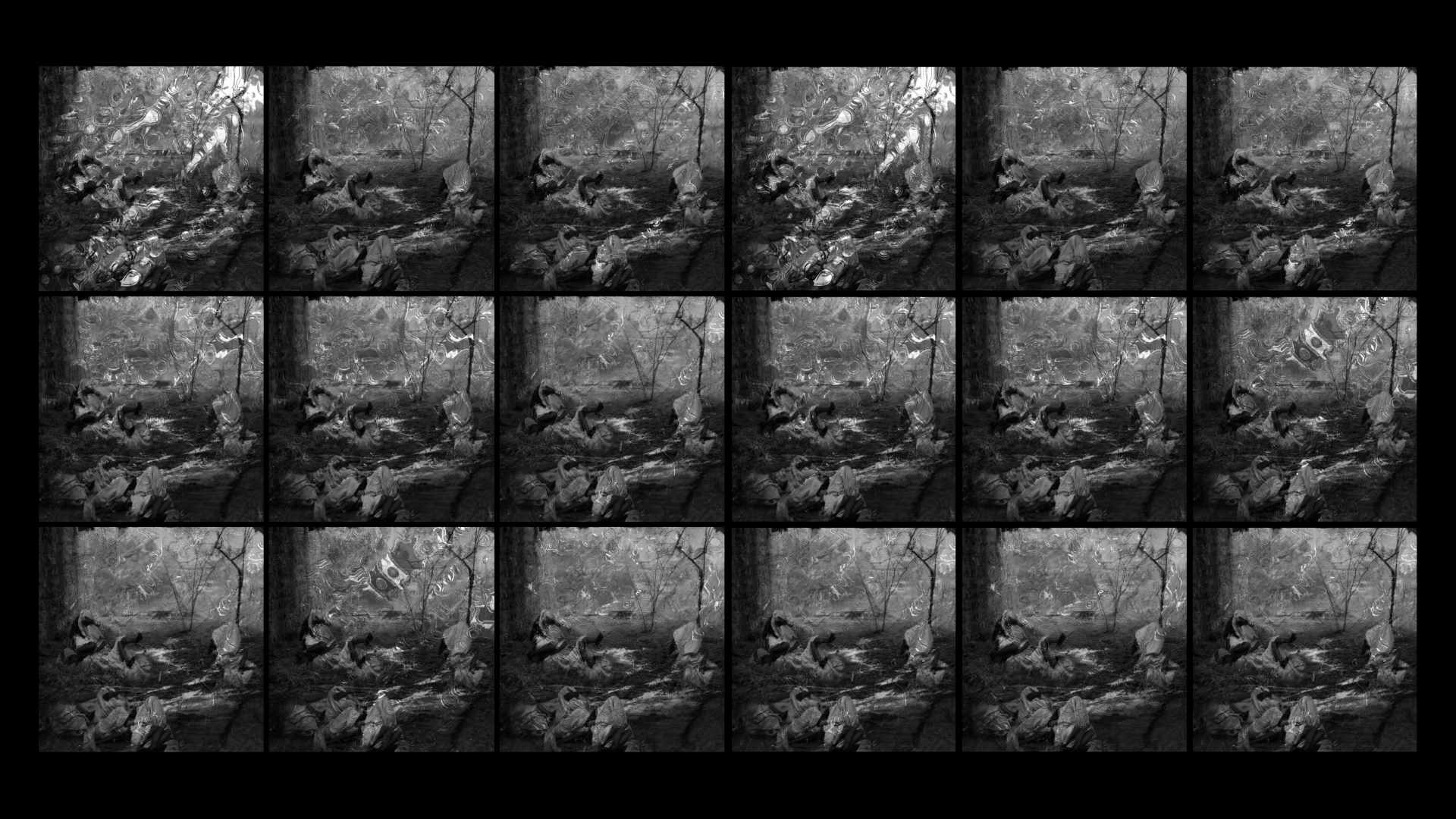
This project employs a combination of optical illusion techniques and VAE-based generative models, trained on a personally curated dataset, to create hallucinatory photographic transformations.
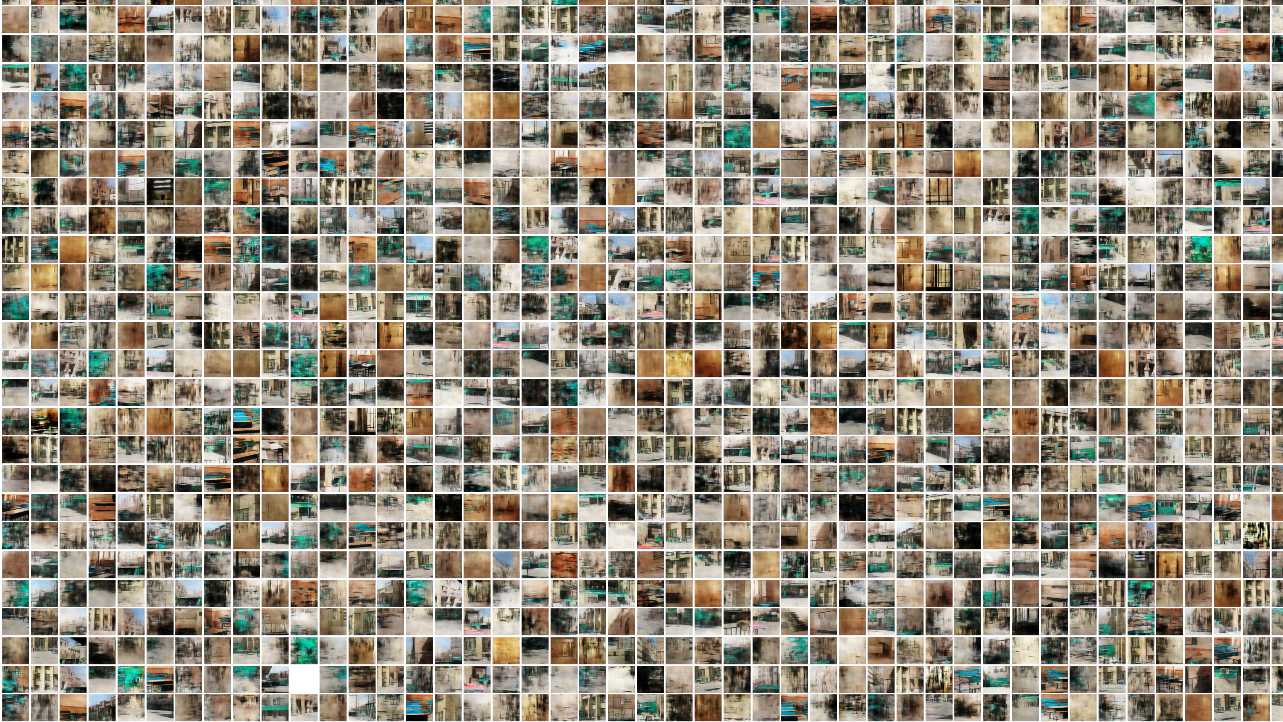
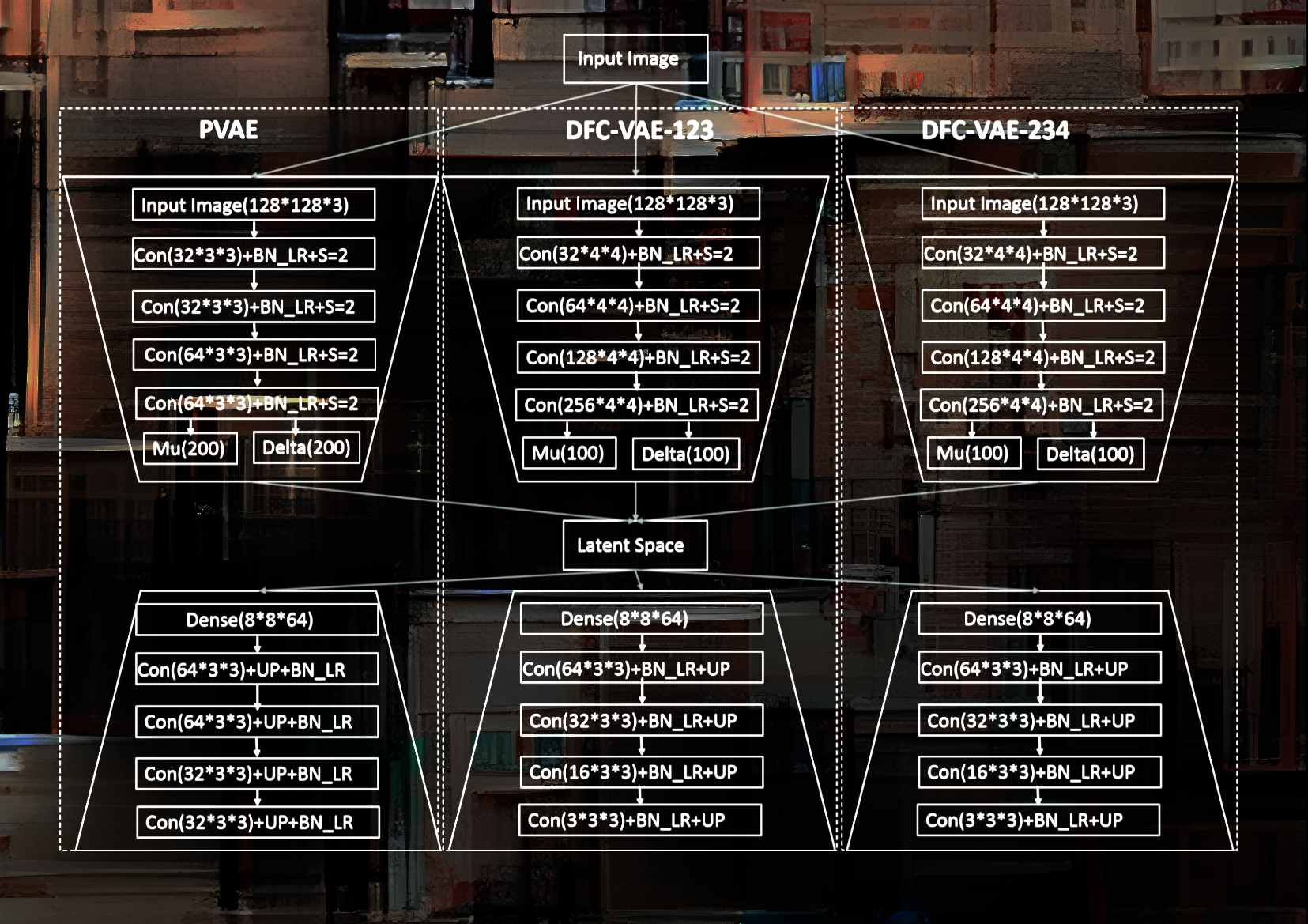
Photographic input images are first transformed using VAE (Variational Autoencoder) architectures. Unlike many projects that rely on pretrained models, all VAE models here were trained from scratch using a personal dataset of 1,553 photographs taken with a Canon EOS 80D. The images were resized from 1280×1280 to 128×128 pixels using Python’s Pillow library.
Possessed by Peris is an interactive media artwork that explores the experience of individuals possessed by Peris—mythical beings from Persian folklore, once revered for their connection to femininity and childbirth. With the transition to patriarchal societies, Peris were stripped of their divine status and reimagined as malevolent, seductive spirits who enchant and entrap their victims through delusions and hallucinations. This project uses optical illusions, VAE-based neural image manipulation, and human-computer interaction to evoke the elusive, ephemeral presence of these mythic figures in foggy, watery landscapes.
Through an integration of real-time light effects and latent-space image generation, the resulting body of work immerses viewers in a space where illusion, myth, and machine vision intersect.
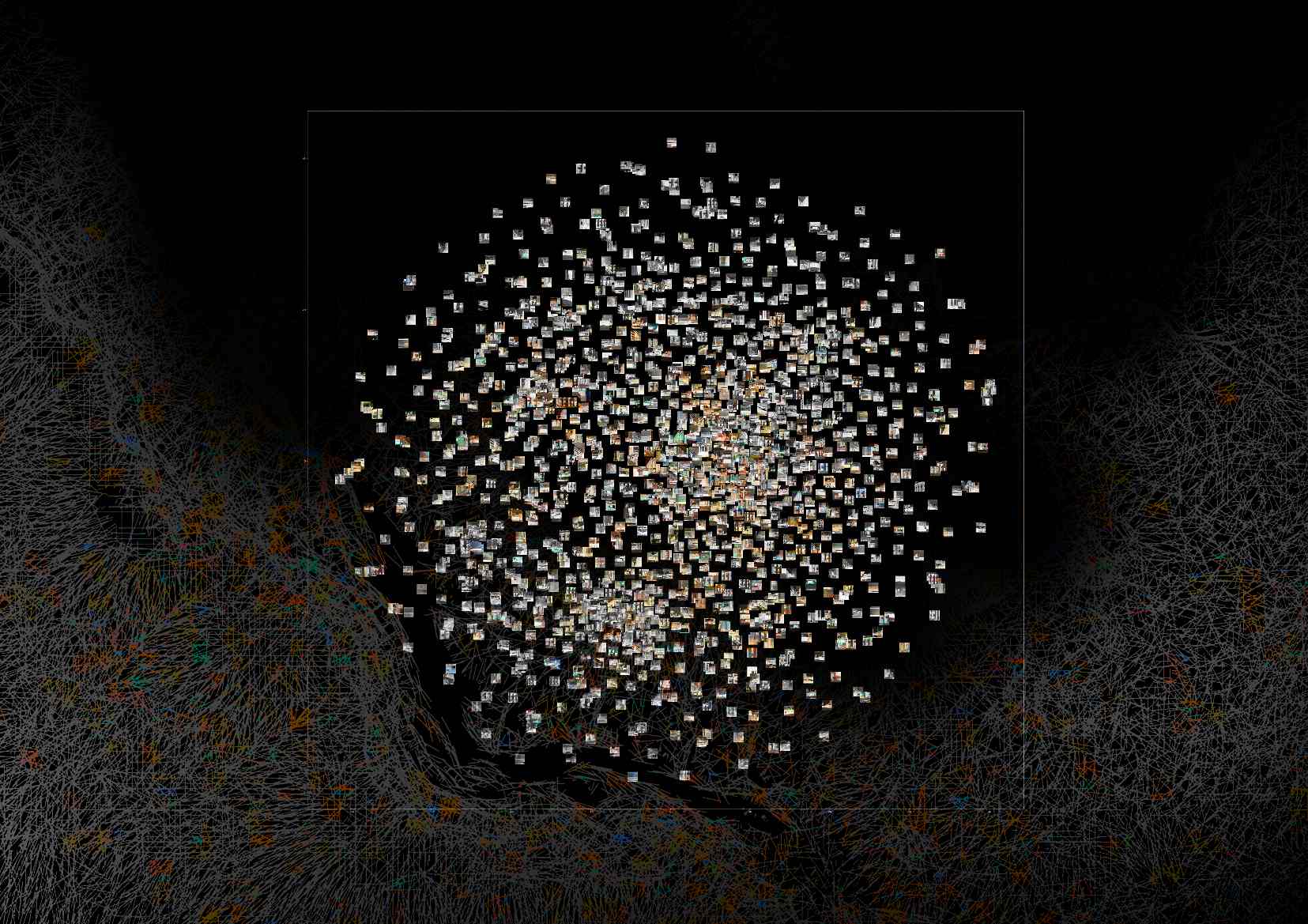
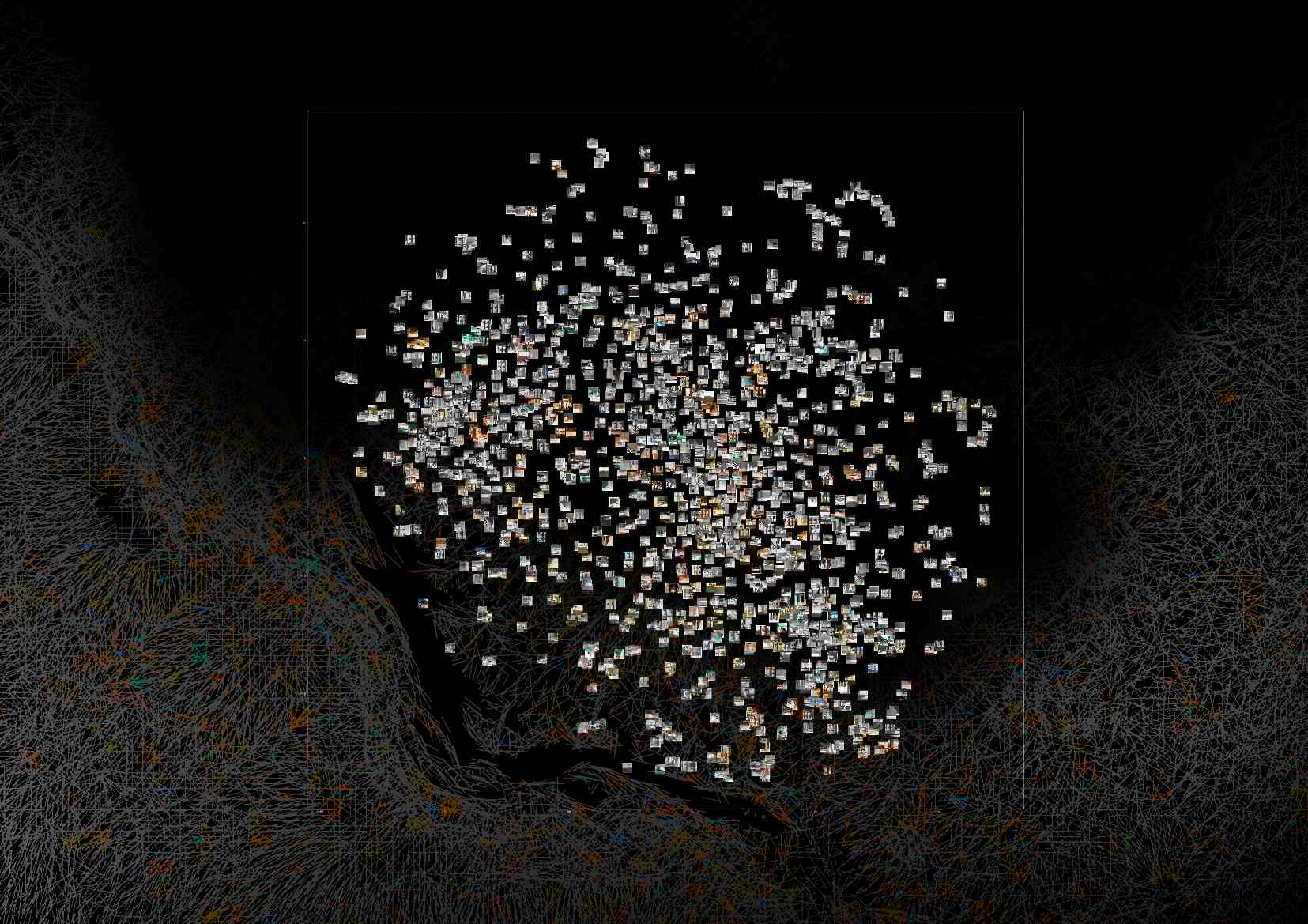
All training and image generation were performed using Keras with a TensorFlow backend in Google Colab. To facilitate comparison between model outputs and enhance interpretability, t-SNE was used to reduce the high-dimensional latent vectors to two dimensions.
To refine the output images, ESRGAN (Enhanced Super-Resolution GAN) was used, improving resolution while retaining the textures and distortions produced by the VAEs. A final layer of curatorial selection and manipulation was applied, focusing on emotional resonance, light behavior, and visual ambiguity.
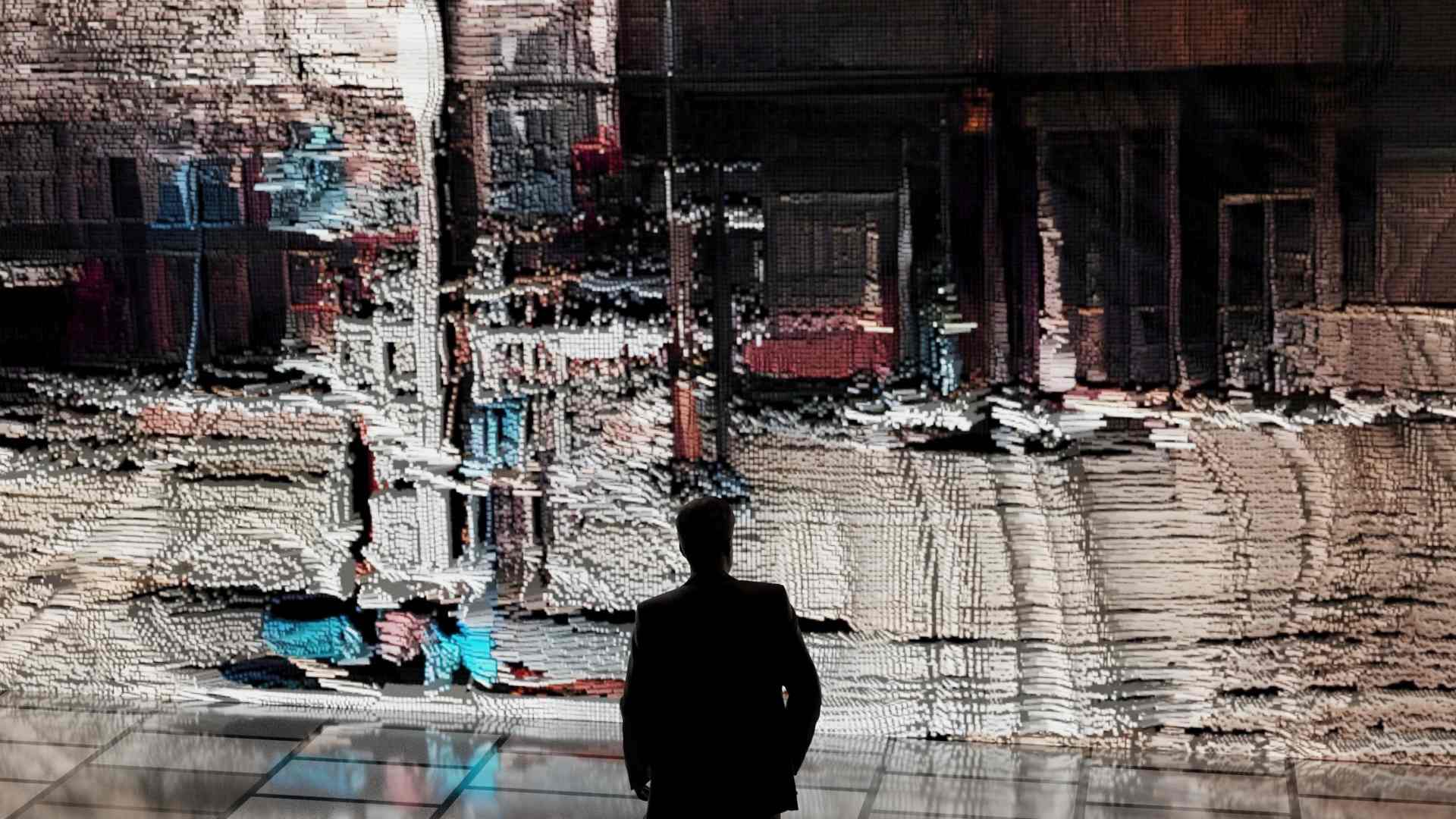
In parallel, I used TouchDesigner to create a responsive, real-time light environment. Audience presence—measured through footsteps, motion, and murmurs—was translated into changes in light behavior, resulting in a dynamic optical illusion layered over the VAE-generated images. The two systems—neural and physical—operate together to evoke a mythic presence through illusion.
Visual Style & Outcomes
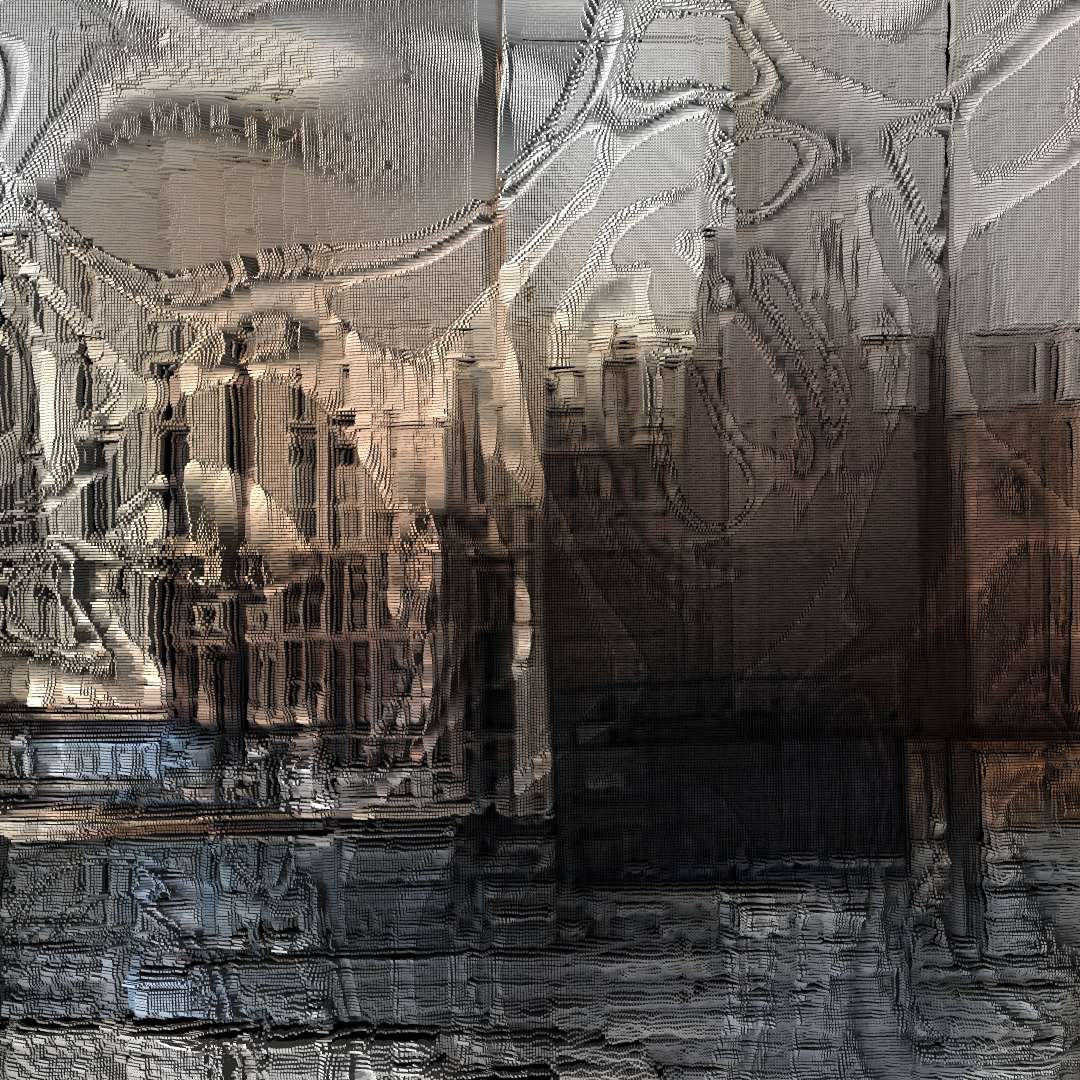
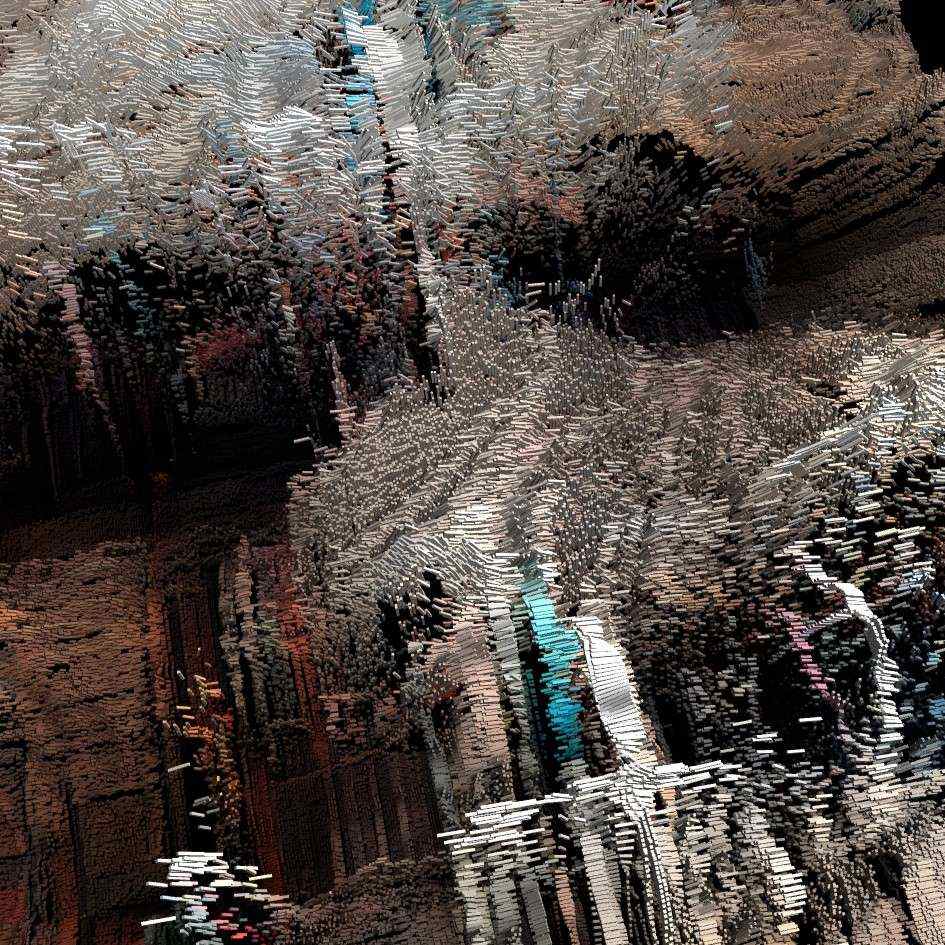
The printed photographs appear, at first glance, as standard physical images. Yet each is embedded within a system of real-time optical illusions. When approached, the image surface responds—light bends, reflections shimmer, and hallucinations take form. This transforms the final image into something far more ambiguous than its original presentation.
This methodology does not rely on stylistic transfer. Instead, it allows stylistic emergence from within each model’s training history, structure, and loss function. In this process, the model itself becomes a collaborator in the artwork, offering unpredictable forms that the artist responds to and curates.
Number of Photos
0
Dataset & Implementation Details
Image Source: 1,553 photographs taken with Canon EOS 80D
Preprocessing: Pillow (Python) for resizing to 128×128
Model Architectures: PVAE, DFC-VAE-123, DFC-VAE-234
Loss Functions: Binary cross-entropy and VGG-19 layer-based perceptual loss
Training Environment: Google Colab using Keras and TensorFlow
Post-Processing: Super-resolution with ESRGAN
Latent Space Mapping: t-SNE for visual comparison
Interactive Layer: TouchDesigner for audience-responsive light illusions
All models were trained from scratch using a custom dataset, ensuring that the visual output aligns precisely with the emotional and symbolic tone of the conceptual framework.