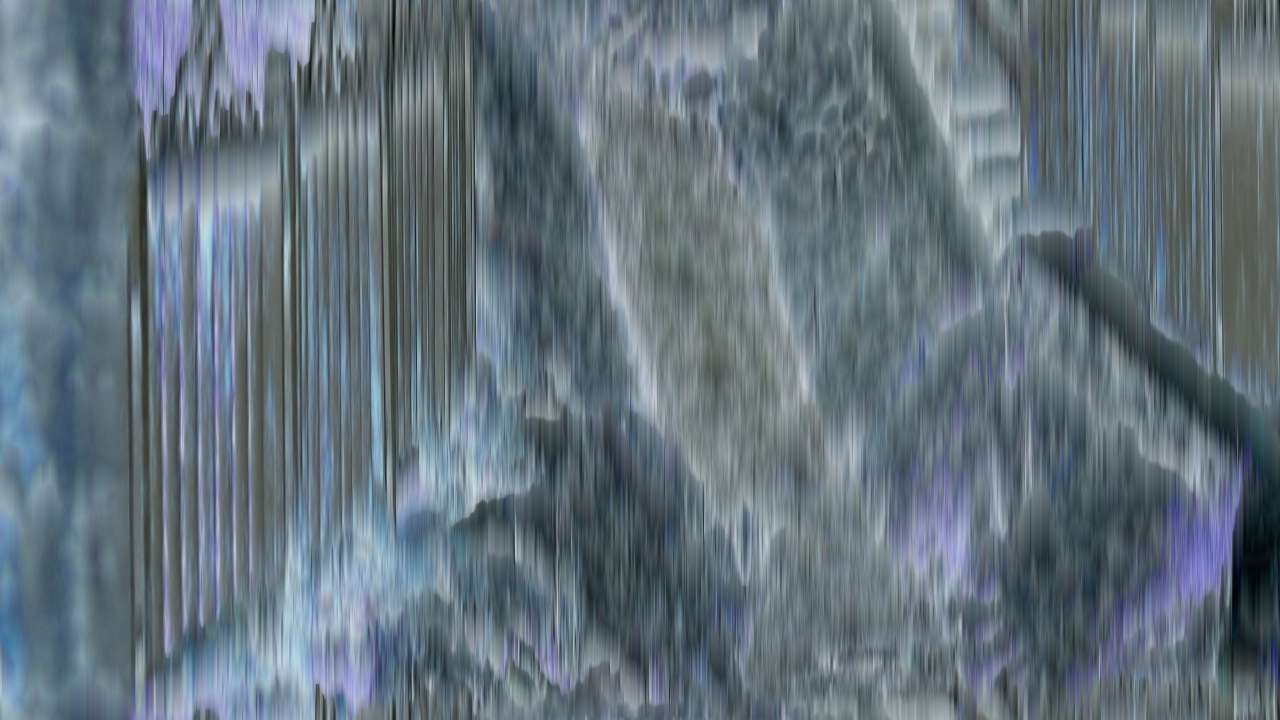
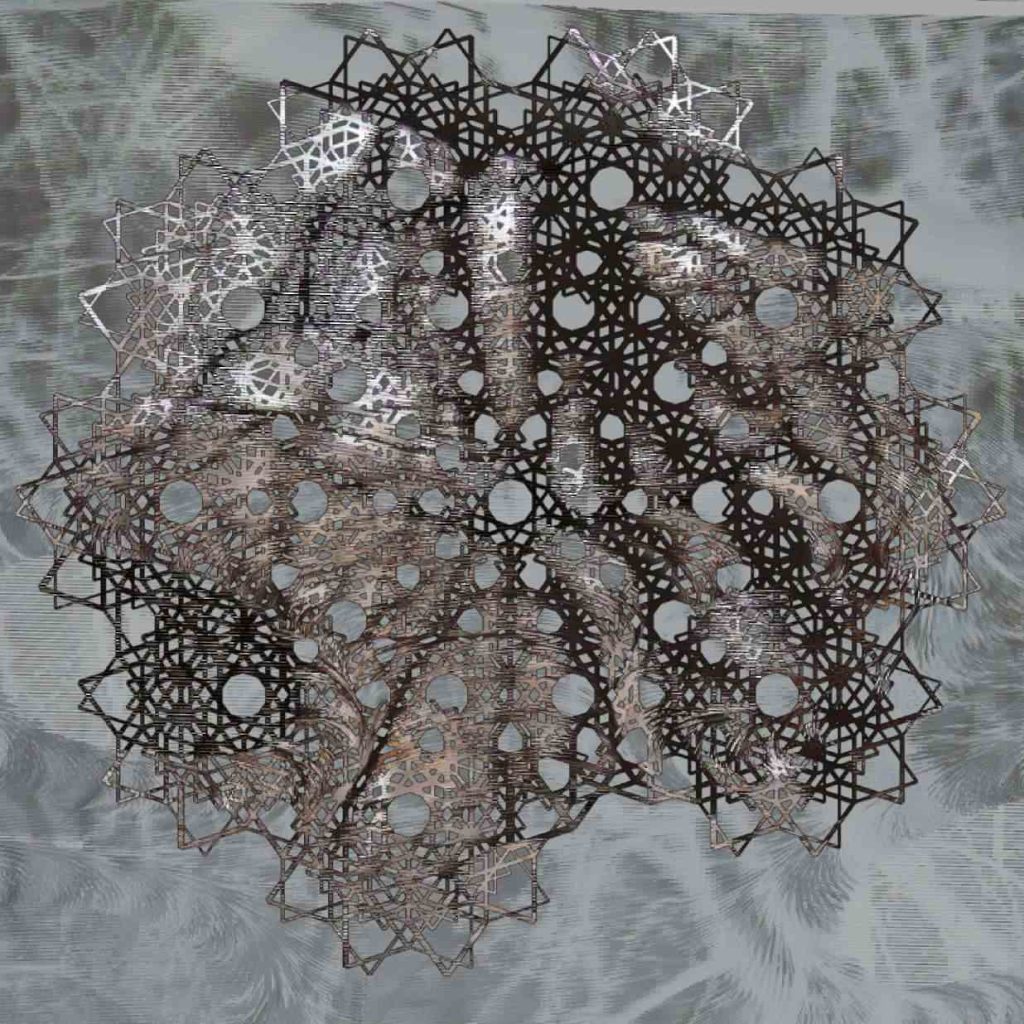
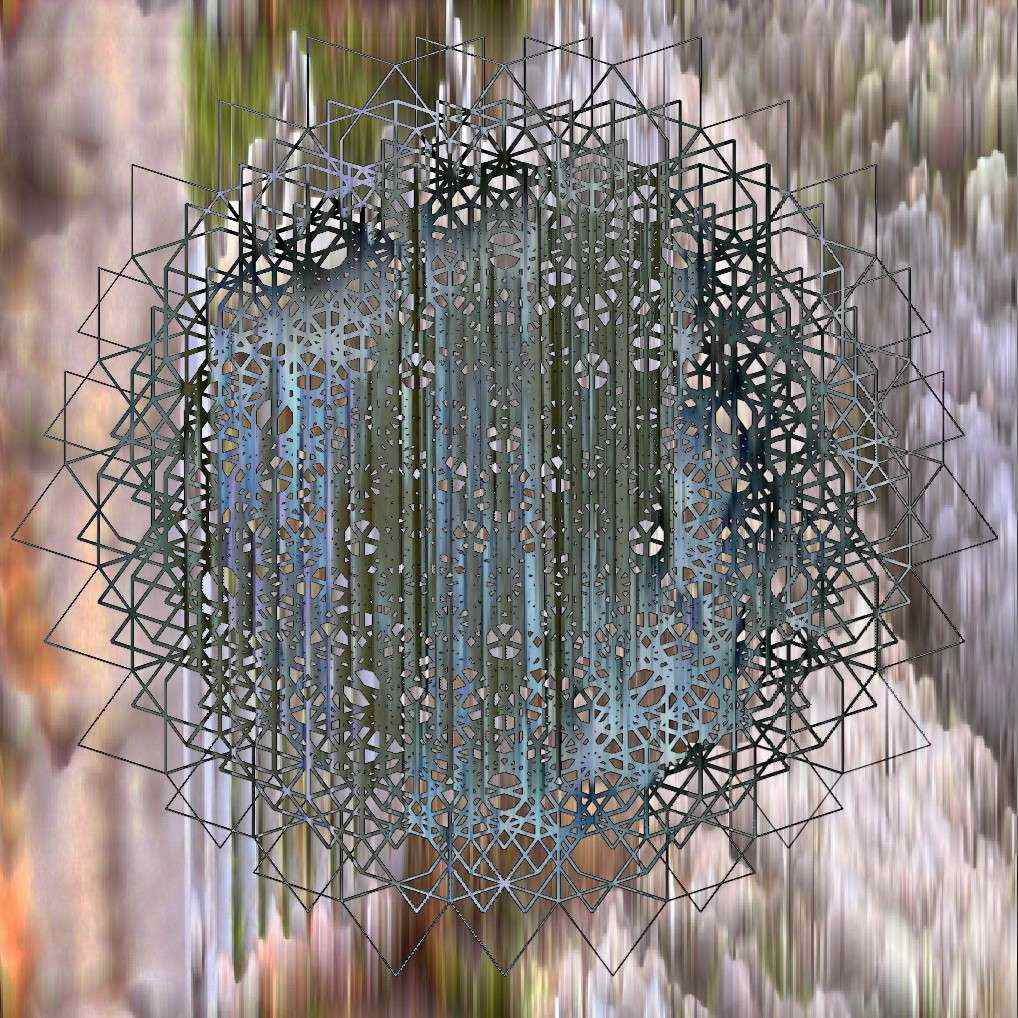
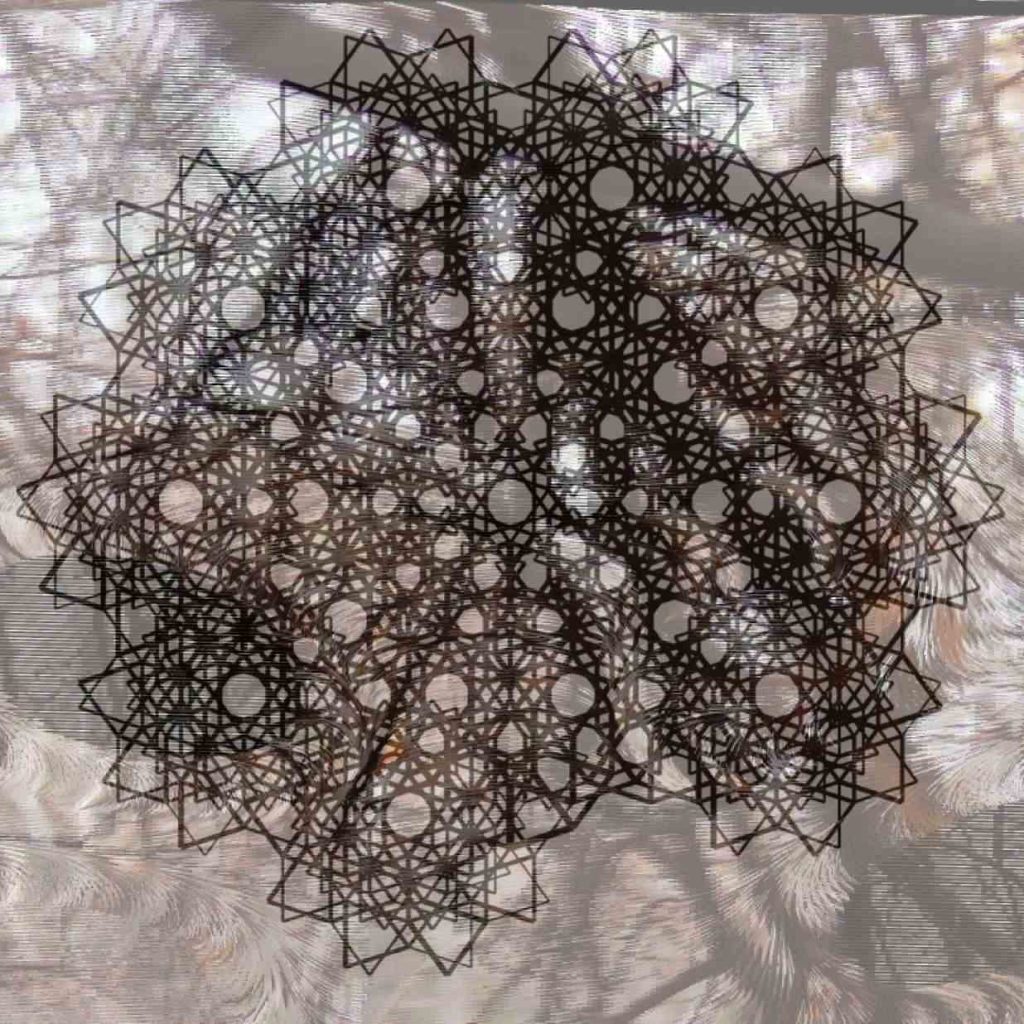
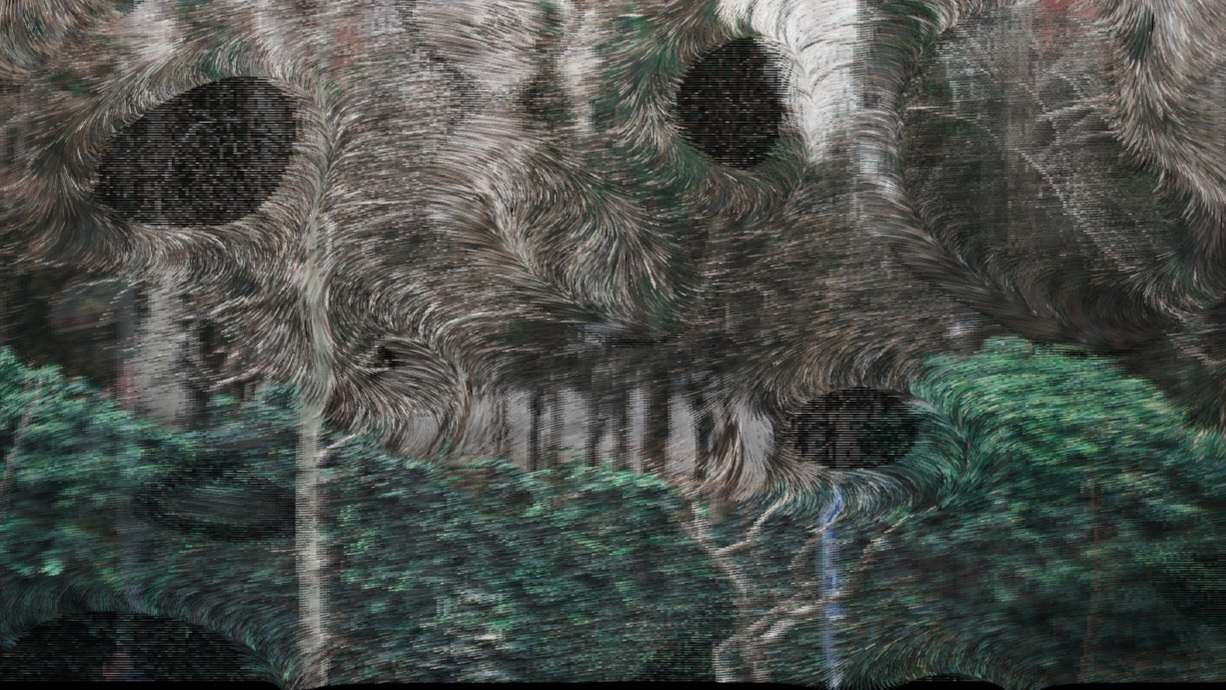
This project reexamines the Persian garden—a historical symbol of paradise—through a contemporary generative system rooted in Islamic-Iranian architectural grammar, symbolism, and computational design. It explores how mathematical abstraction, cultural patterning, and interactive technology combine to create a sensory experience reflecting growth, harmony, and renewal.
Inspired by the geometric patterns of Girih Sâzî and traditional garden layouts, the work establishes a dialogue between historical tradition and digital innovation.
Conceptual Foundation
Building on Javad Shafaî’s study of Girih Sâzî, which reveals the symbolic grammar of Islamic-Iranian interlaced patterns, this project views both pattern and spatial design as interconnected grammatical systems encoding cultural meaning.
To computationally model the garden’s organic growth, the project employs Lindenmayer systems (L-systems)—a recursive formalism originally developed to simulate biological growth patterns in plants. L-systems effectively capture the fractal, self-similar structures found in nature, mirroring the layered complexity of Islamic geometric motifs. By integrating custom grammatical rules inspired by Girih Sâzî within this framework, the garden becomes a dynamic coded system that evolves responsively.
Artistic Methodology
Using TouchDesigner, a real-time visual programming environment, the installation processes ambient sounds of flowing water—a key element of Persian gardens—to modulate evolving digital patterns. Key components include:
L-systems for simulating organic branching
Custom grammars based on Girih Sâzî
Real-time audio input to influence generative visuals