L-Atur
L-Atur is a web-based generative design platform that enables users—regardless of technical background—to produce highly customizable visual forms using Lindenmayer Systems (L-Systems), a mathematical formalism originally developed to simulate plant growth. This project reimagines L-Systems not as scientific tools, but as a creative language for procedural aesthetics, opening access to complex generative design through an intuitive interface and a thoughtful human-machine collaboration framework.
Named after Atur—the word for fire in Middle Persian—L-Atur ignites new possibilities for computational creativity, embedding logic, rule-based design, and physical production into a seamless experience for artists, non-designers, and general users alike.


Conceptual Framework:
At its core, L-Atur is driven by a fundamental question:
What if anyone—not just coders or designers—could participate in the creation of algorithmic art?
L-Atur repositions generative design from a domain of expertise to one of participatory aesthetics. Rather than demanding that users write or understand grammars, the platform provides visual previews, modular grammars, and intuitive controls for manipulating core parameters . Users become co-creators, collaborating with the machine not by writing code, but by negotiating constraints, responding to visual feedback, and curating outcomes.
Here, human taste and algorithmic output form a feedback loop: the system offers variation, the user responds with aesthetic choices, and the result is a design that is impossible to fully predict yet deeply personalized.


System Architecture & Workflow
The L-Atur system is composed of three integrated layers: client-side interaction, server-side processing, and production-ready output. Each layer supports a different kind of collaboration—between user and interface, code and grammar, digital and physical.
Client-Side: Visual Interaction Without Code
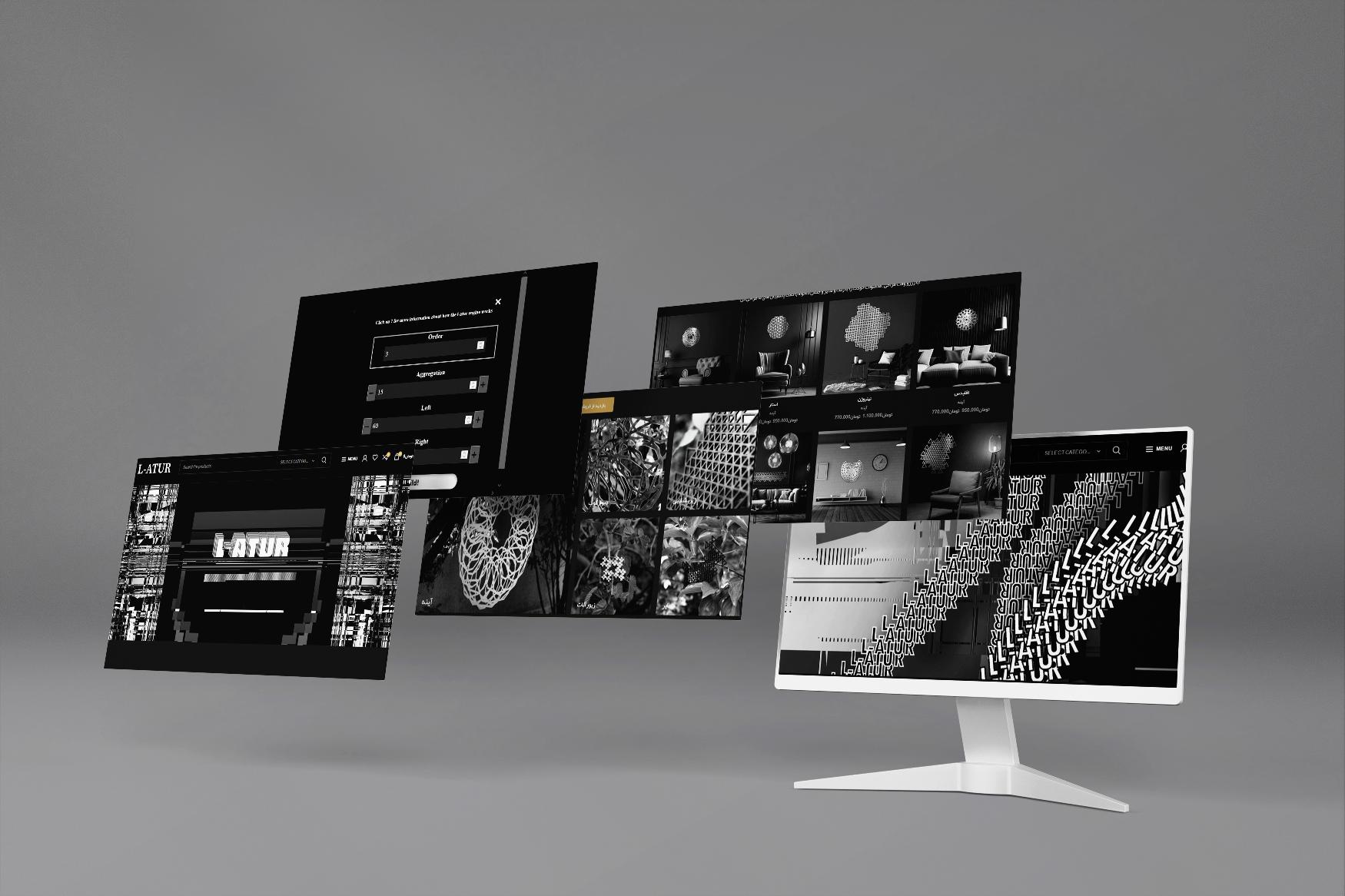
The front-end is built in JavaScript and provides a graphical interface using Turtle Graphics to visualize outputs. Users can:
Select from a library of curated grammars,
Adjust design parameters through sliders (angle, length, recursion depth),
Instantly preview the resulting structure,
Animate changes in real-time using the HTML5 canvas.
Here, L-Atur simplifies the generative design process to a visual experience, allowing users to focus on form exploration rather than syntax.
Server-Side: Low-Level Conversion + Output Validation
Once a user finalizes a design, the platform’s backend (built with PHP and MySQL) converts high-level grammar configurations into low-level L-System code. It:
Matches user inputs with stored grammar templates,
Validates spacing, scale, and connectivity for physical production feasibility,
Outputs formats such as SVG, PNG, JPEG, and machine-specific laser cutting files.
This stage also supports expert validation for manufacturers to ensure technical precision and cut-readiness, bridging the aesthetic with the practical.
Production Layer: From Algorithm to Object
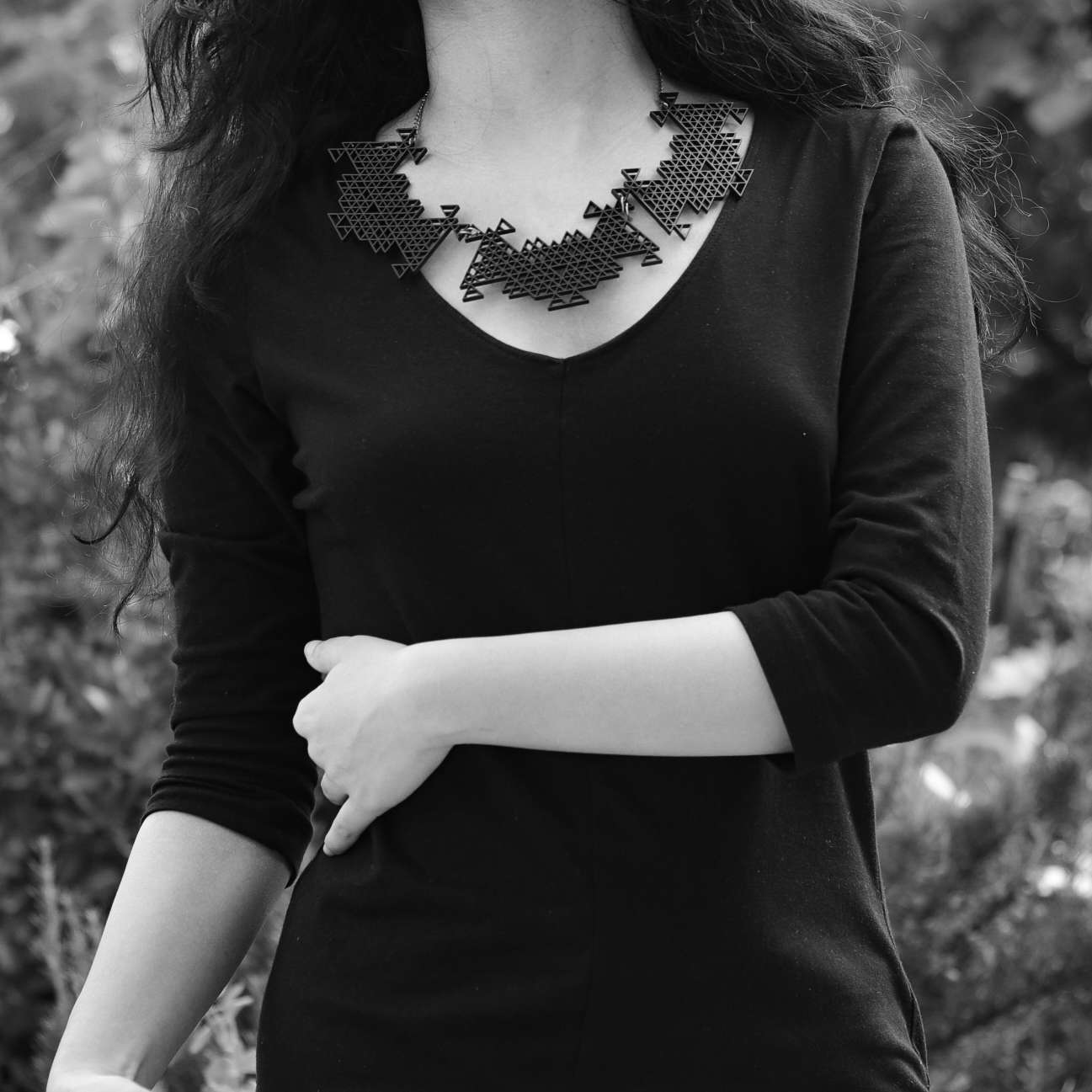
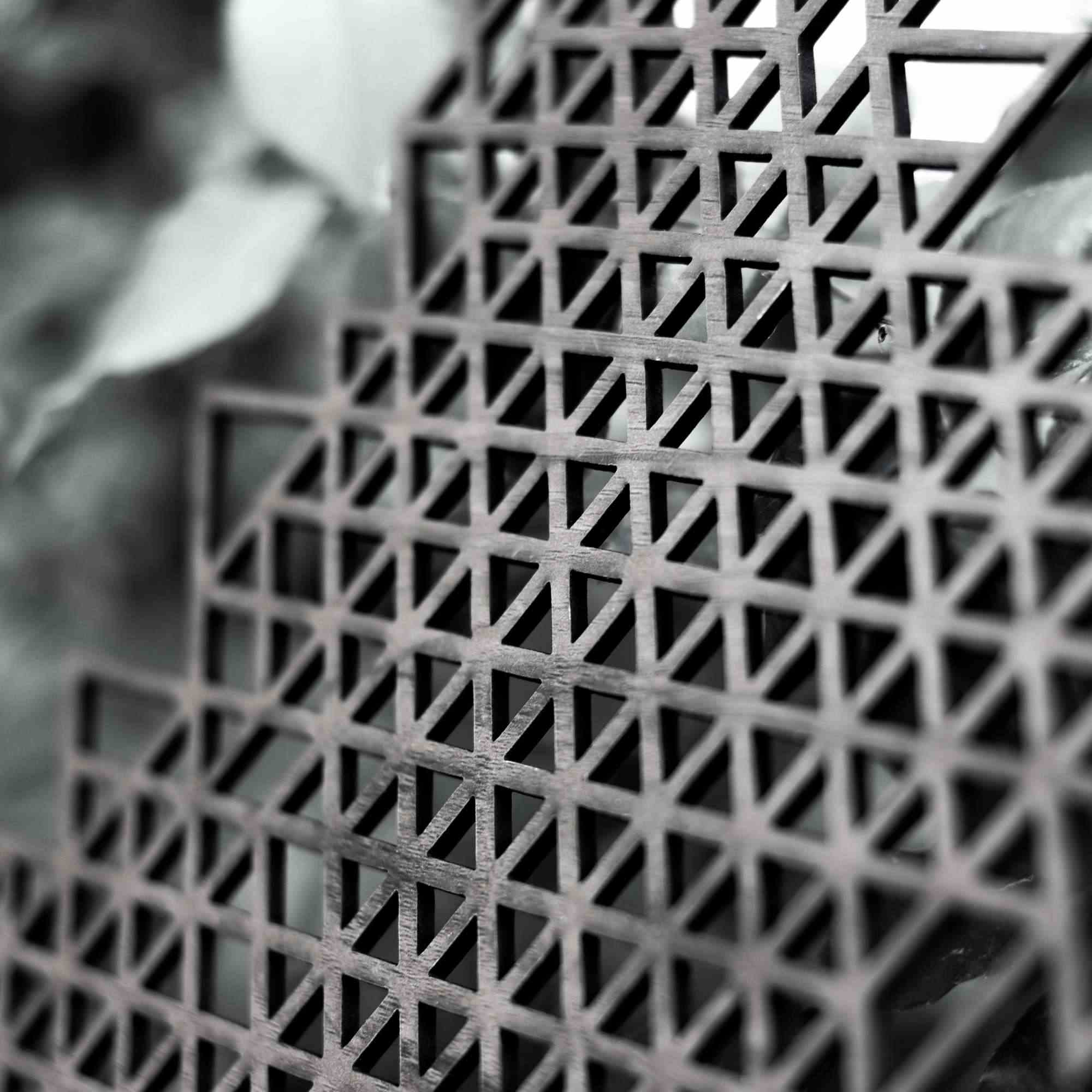
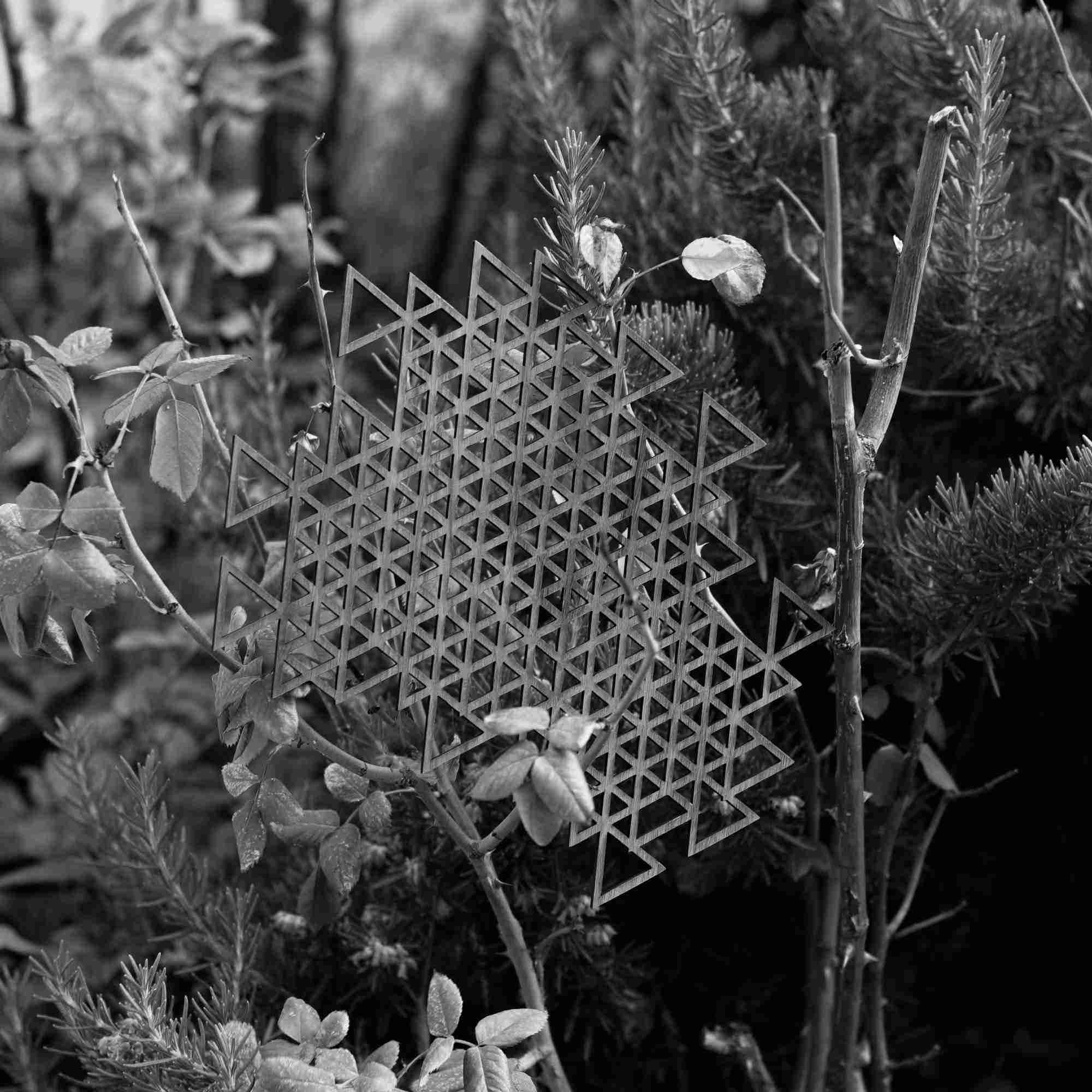
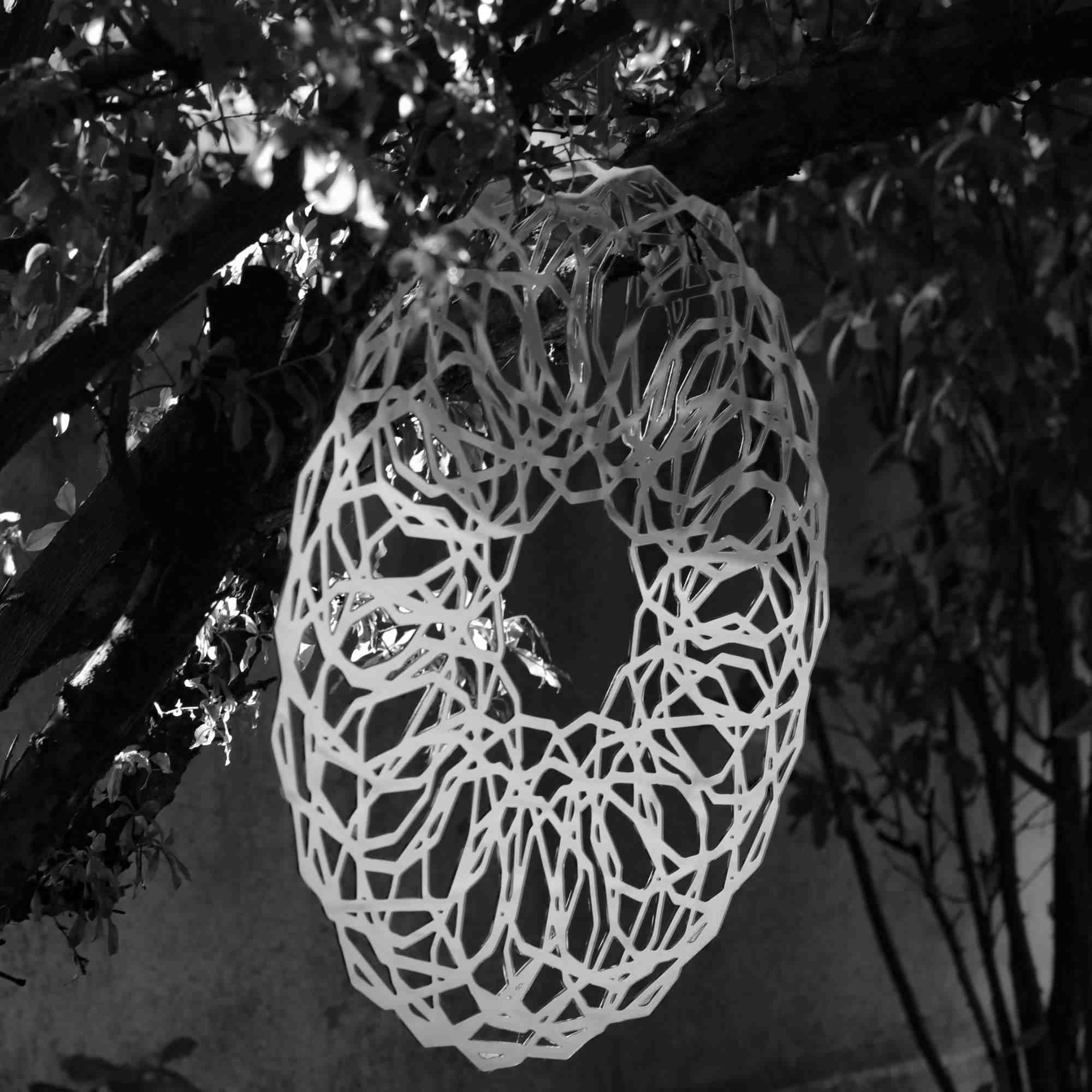
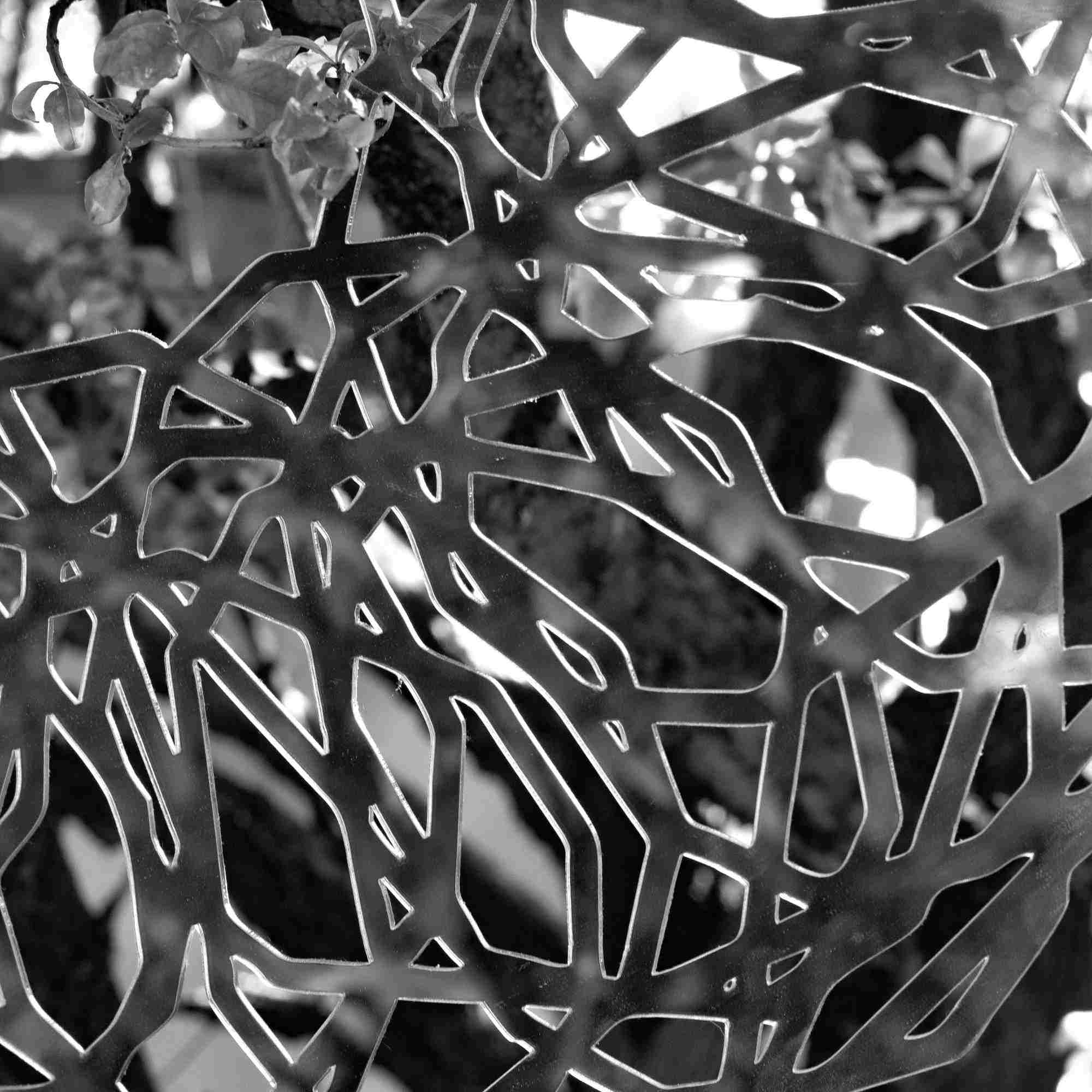
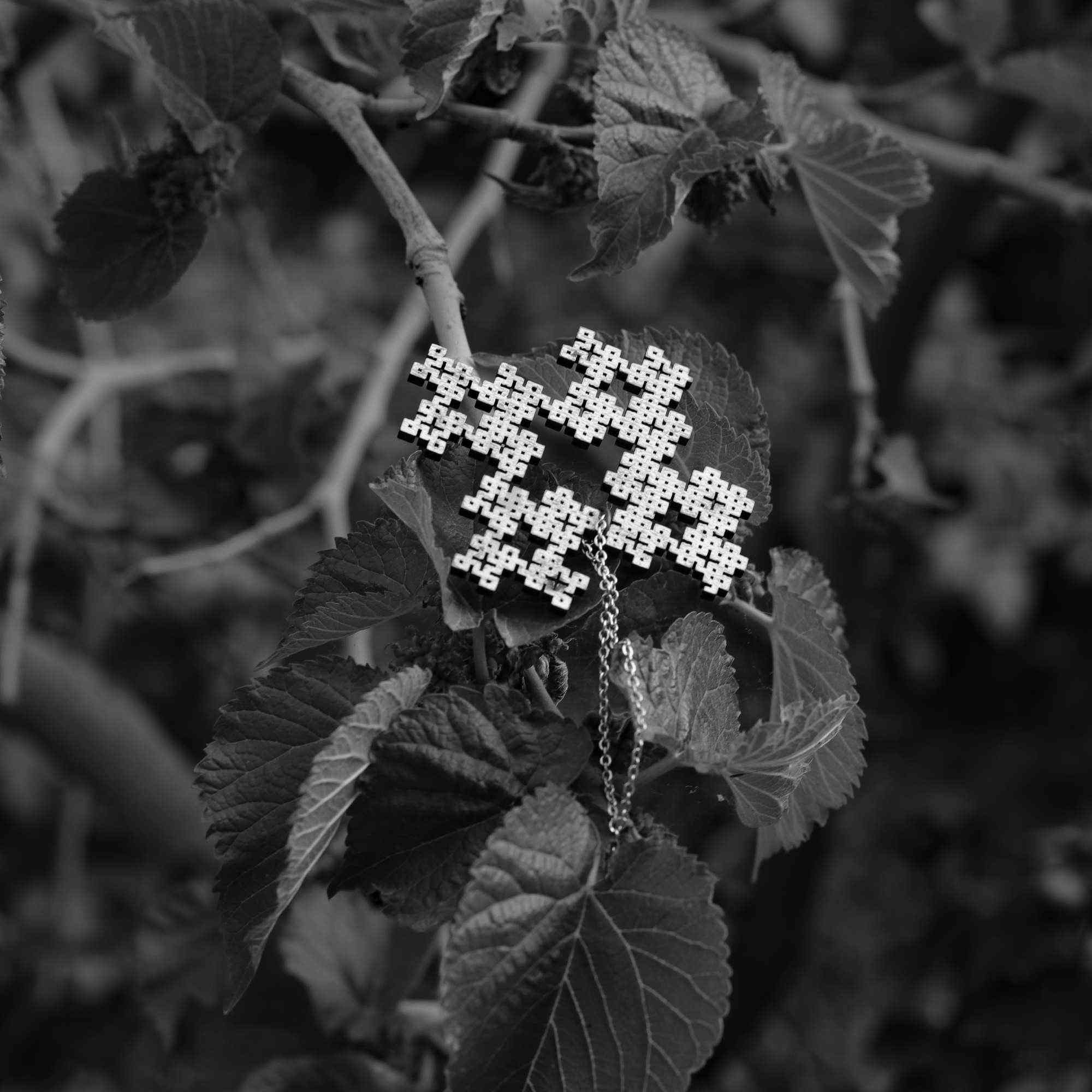
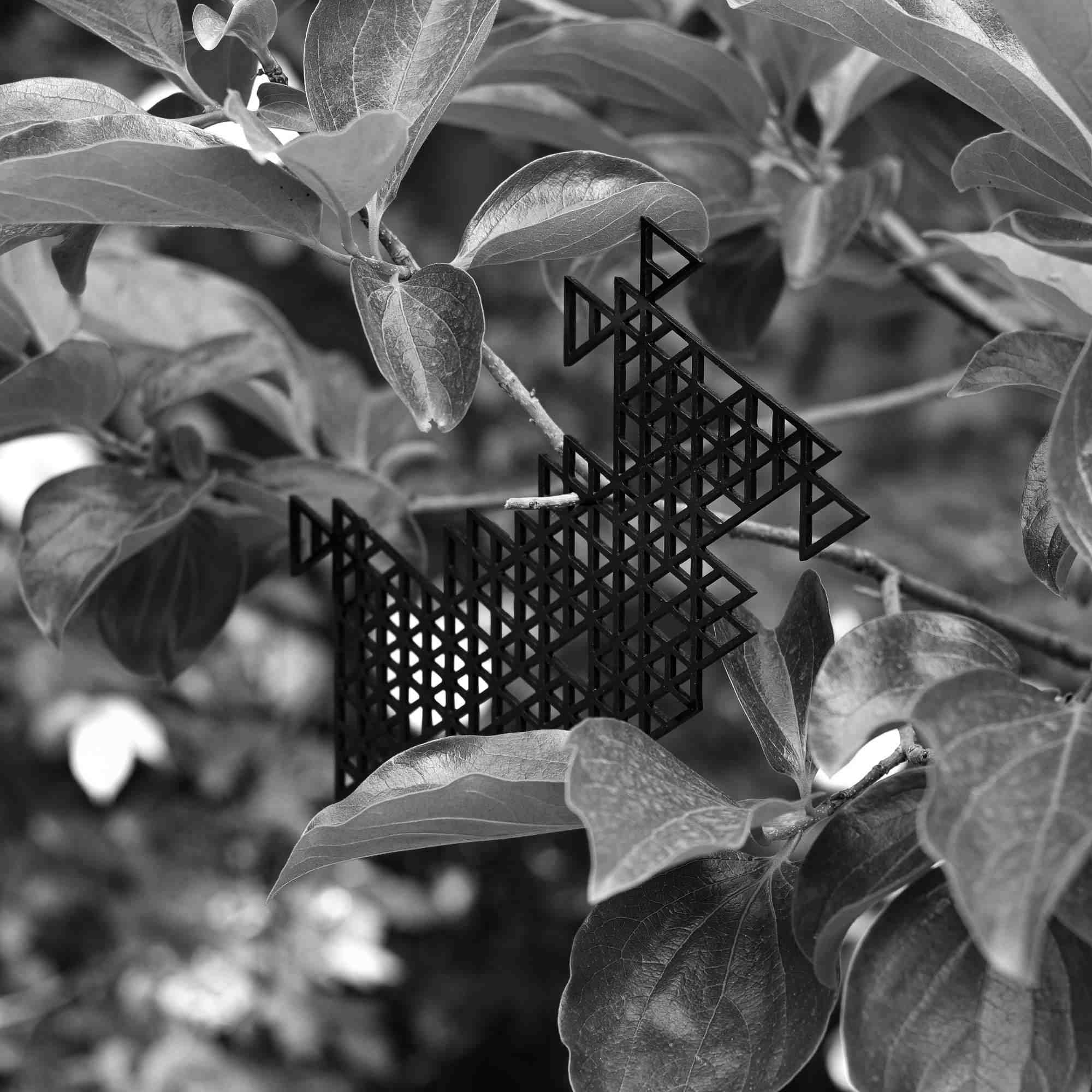
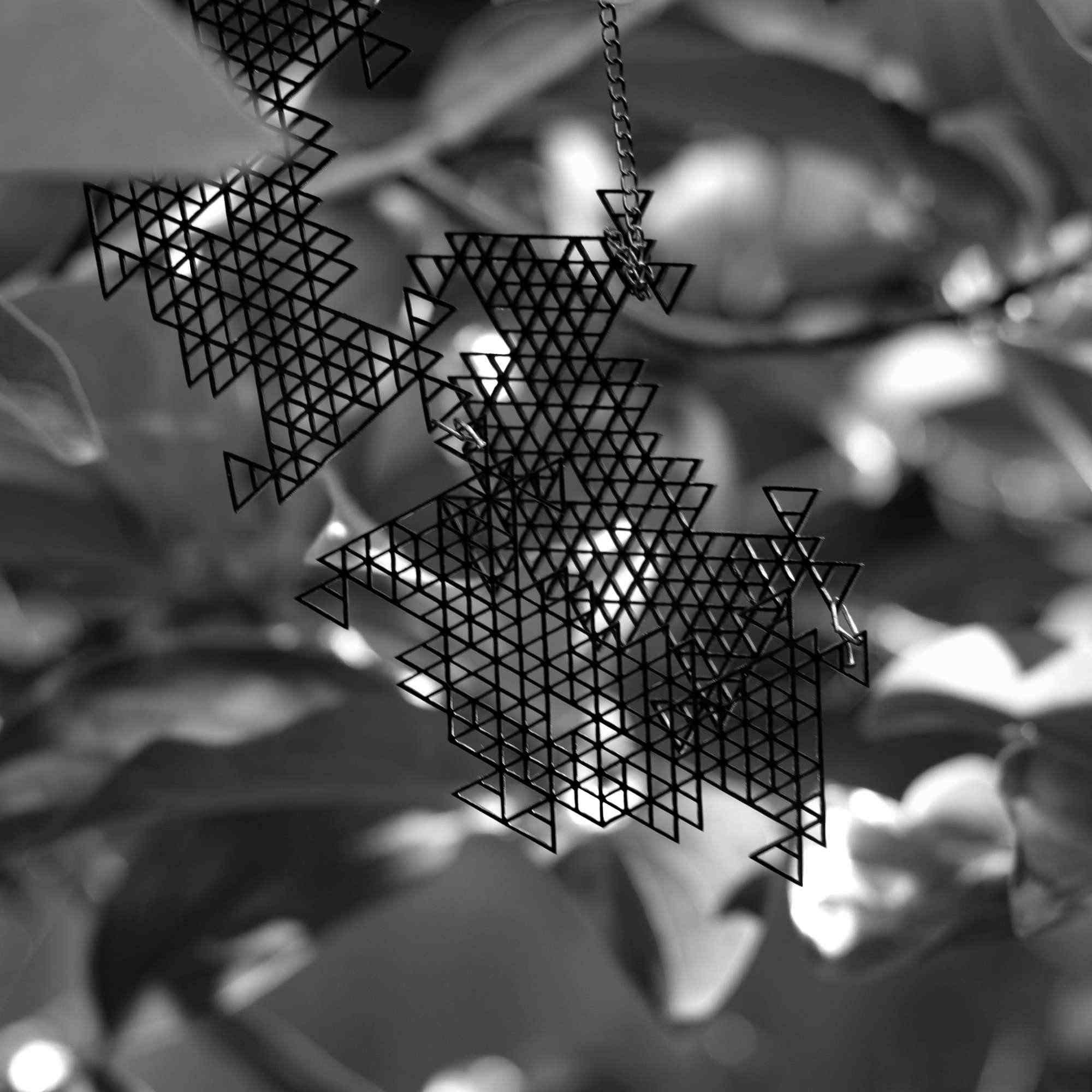
The final stage prepares the design for fabrication through laser cutting machines. Different output formats are optimized for popular software such as CorelDRAW, ensuring compatibility across devices and materials. The result is a physically reproducible artifact—jewelry, accessories, wall art, or other decorative forms—derived entirely from code yet shaped through human judgment.
Generative Grammar: Rule-Based Visual Evolution
L-Atur uses Deterministic Context-Free L-Systems (DOL-systems) to create its outputs. Each design is produced by a string-rewriting grammar where rules are applied in parallel, not sequentially. Users influence the following parameters:
θ: the rotation angle used for turning left/right,
l: the step size (line length),
N: the derivation length, i.e. the number of recursive iterations.
For geometric interpretation, the system uses Turtle Graphics, a coordinate-based drawing system where each symbol (F, +, -) corresponds to a movement or rotation in 2D space. These simple components generate visually intricate forms, ranging from spirals and fractals to interwoven lattices.
A single change—say, reducing the angle from 60° to 10°—can dramatically reshape the result. The combination of these parameters leads to an exponential design space filled with surprising structures.

Human–Machine Collaboration:
One of L-Atur’s most important contributions is its commitment to human taste. Users are not passive recipients of algorithmic output, nor are they expected to reverse-engineer code. Instead, they:
Curate results through interactive feedback,
Tune parameters with aesthetic intent,
Decide when a form is complete, guided by visual intuition.
The system constrains user input to ensure physical producibility—filtering out forms with uncuttable thickness, unjoined lines, or structural weakness—without limiting expressive potential. Users are thus free to explore a safe yet expansive space of creativity, balancing visual appeal with real-world feasibility.


Design Philosophy: Accessible, Imaginative, Personalized
L-Atur democratizes generative art by offering:
No-code visual programming of grammars,
Preview-based exploration rather than textual configuration,
Decorative output optimized for laser-cutting and digital fabrication,
One-of-a-kind results, personalized through user-machine co-creation.
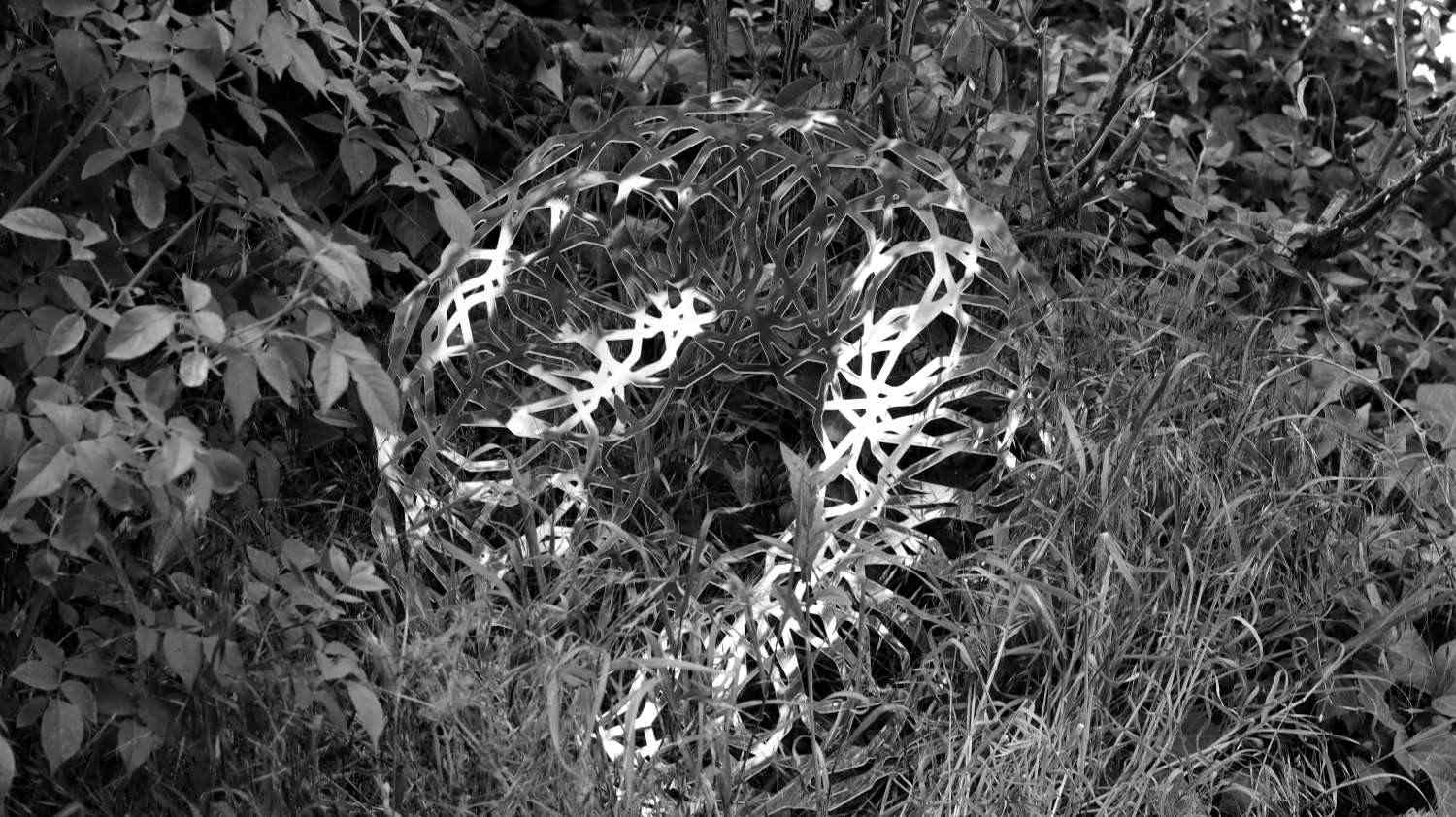
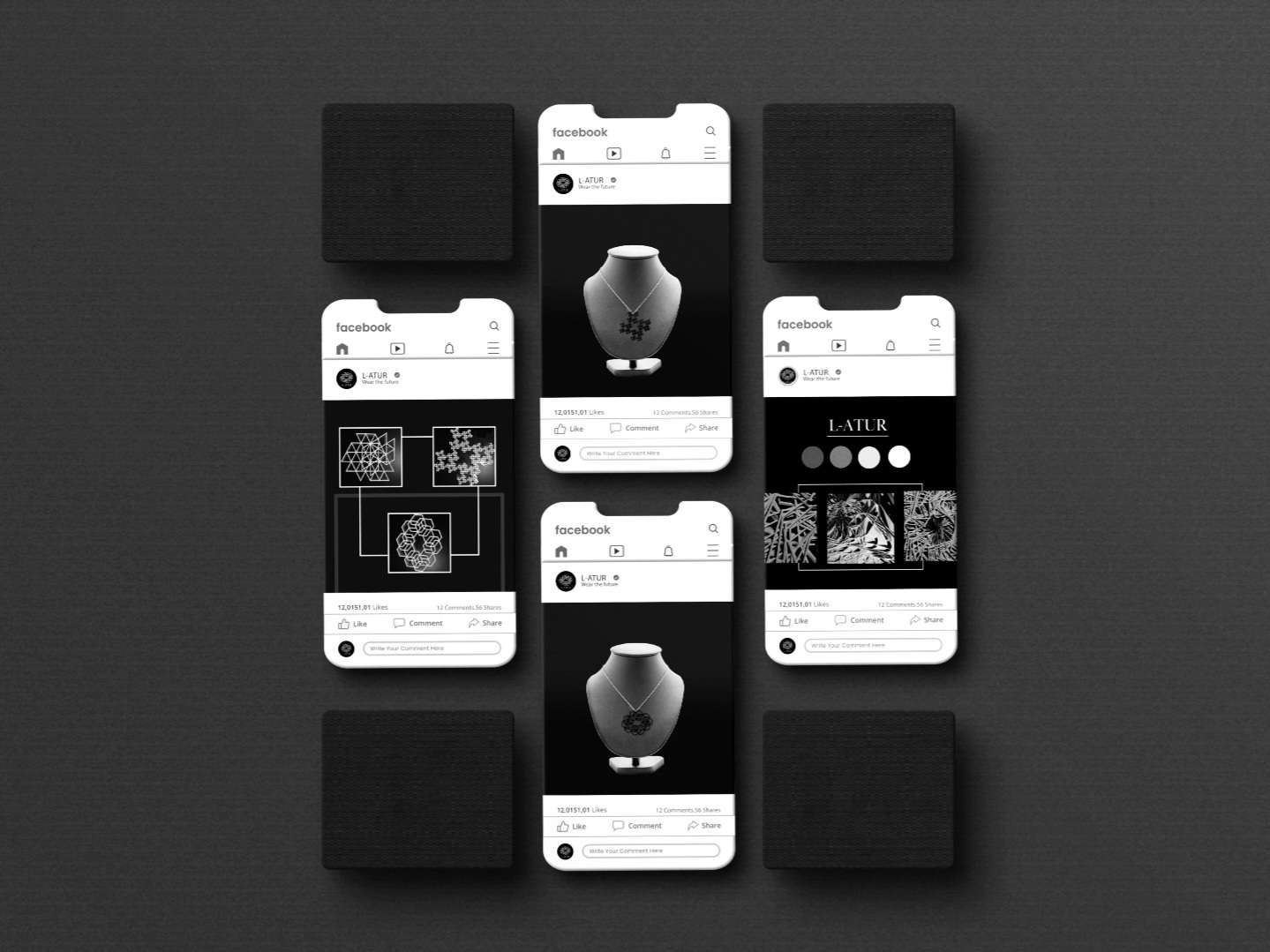
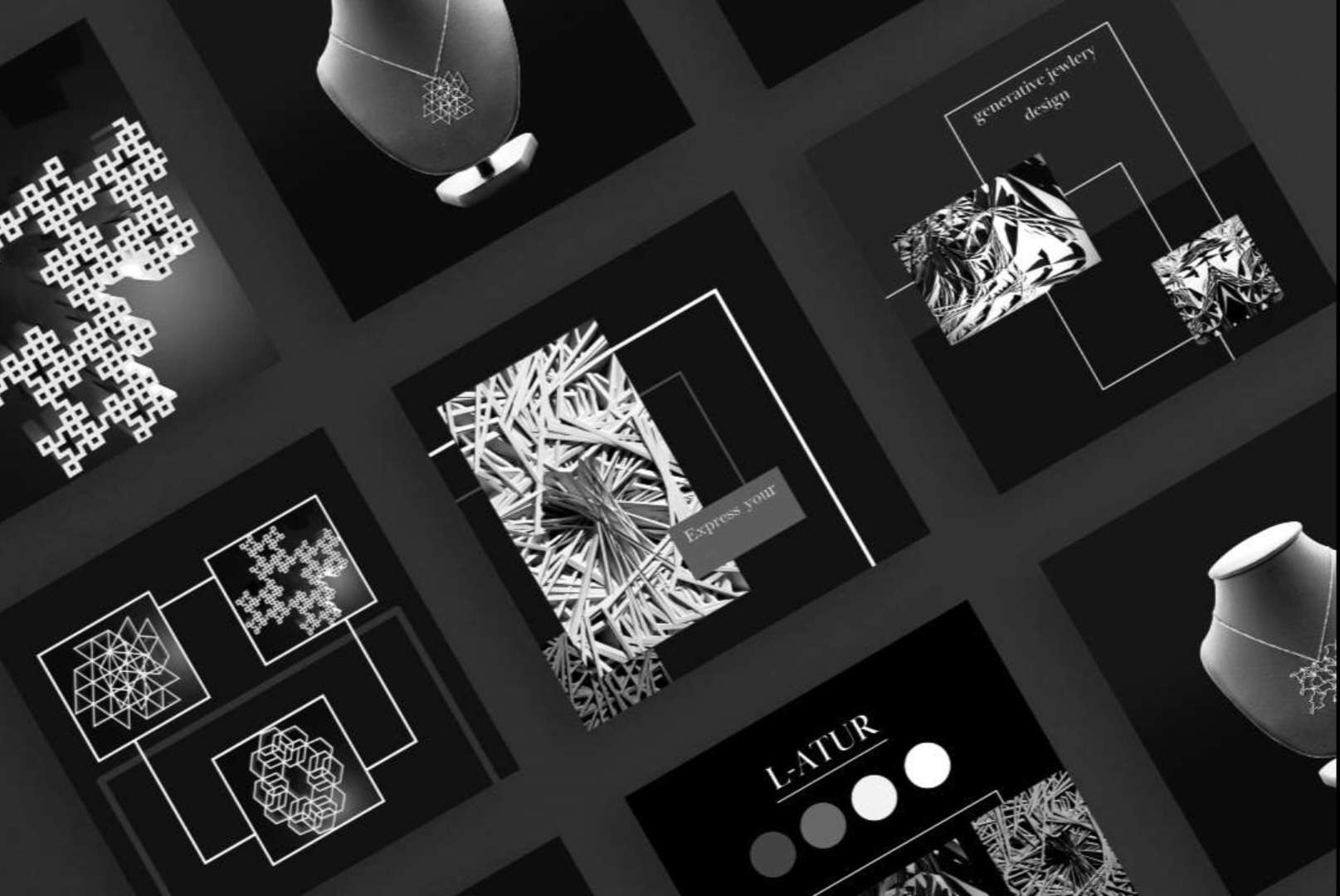
Its engine produces organic and geometric aesthetics, echoing natural growth patterns, abstract diagrams, and speculative ornamentation. These designs can become accessories, decorative panels, typographic experiments, or stand-alone artworks.


Credits
Romina Rahnamoun: Researcher, artistic direction, grammar theory based dataset creation
Rashin Rahnamoun: Researcher, programmer