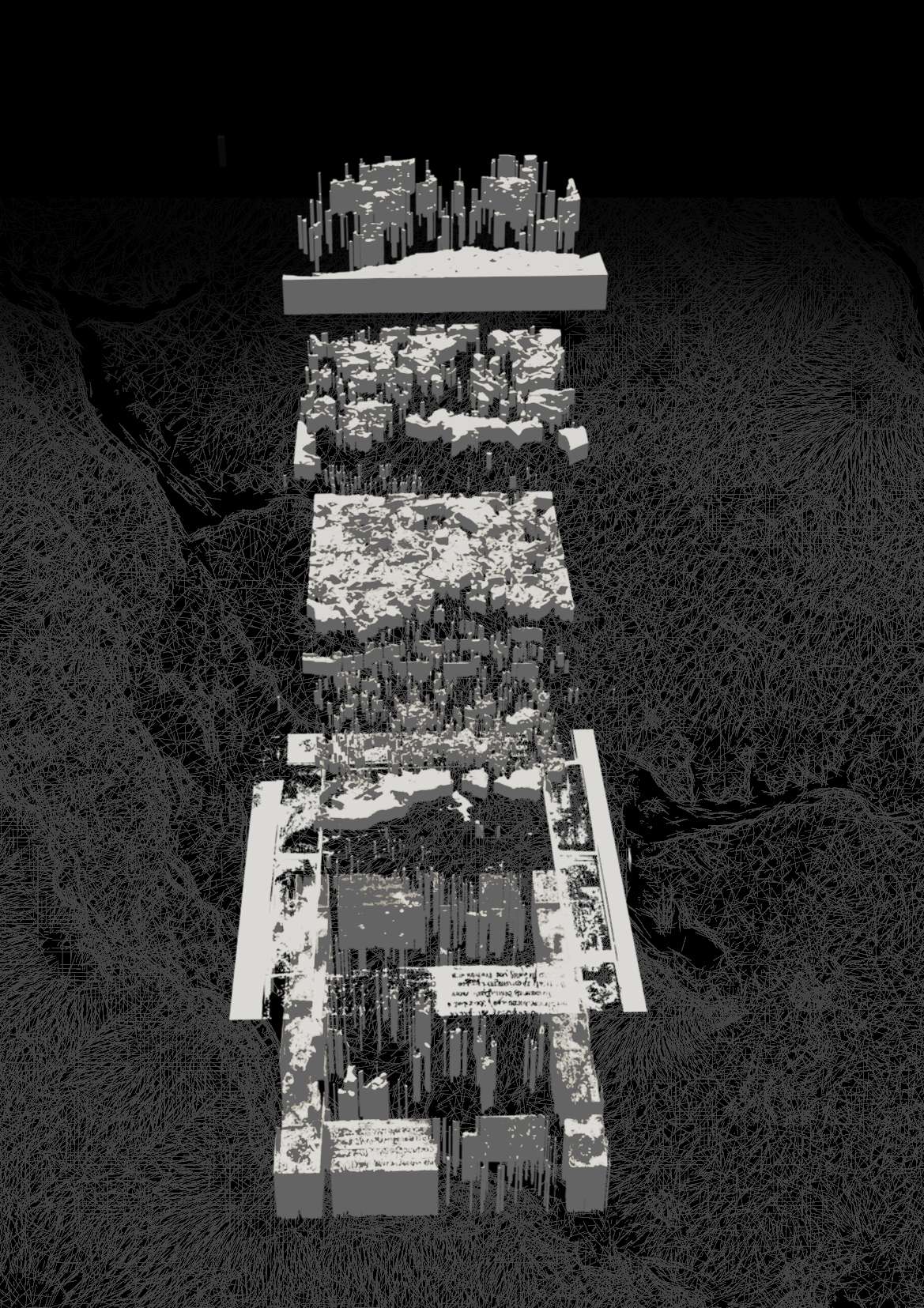
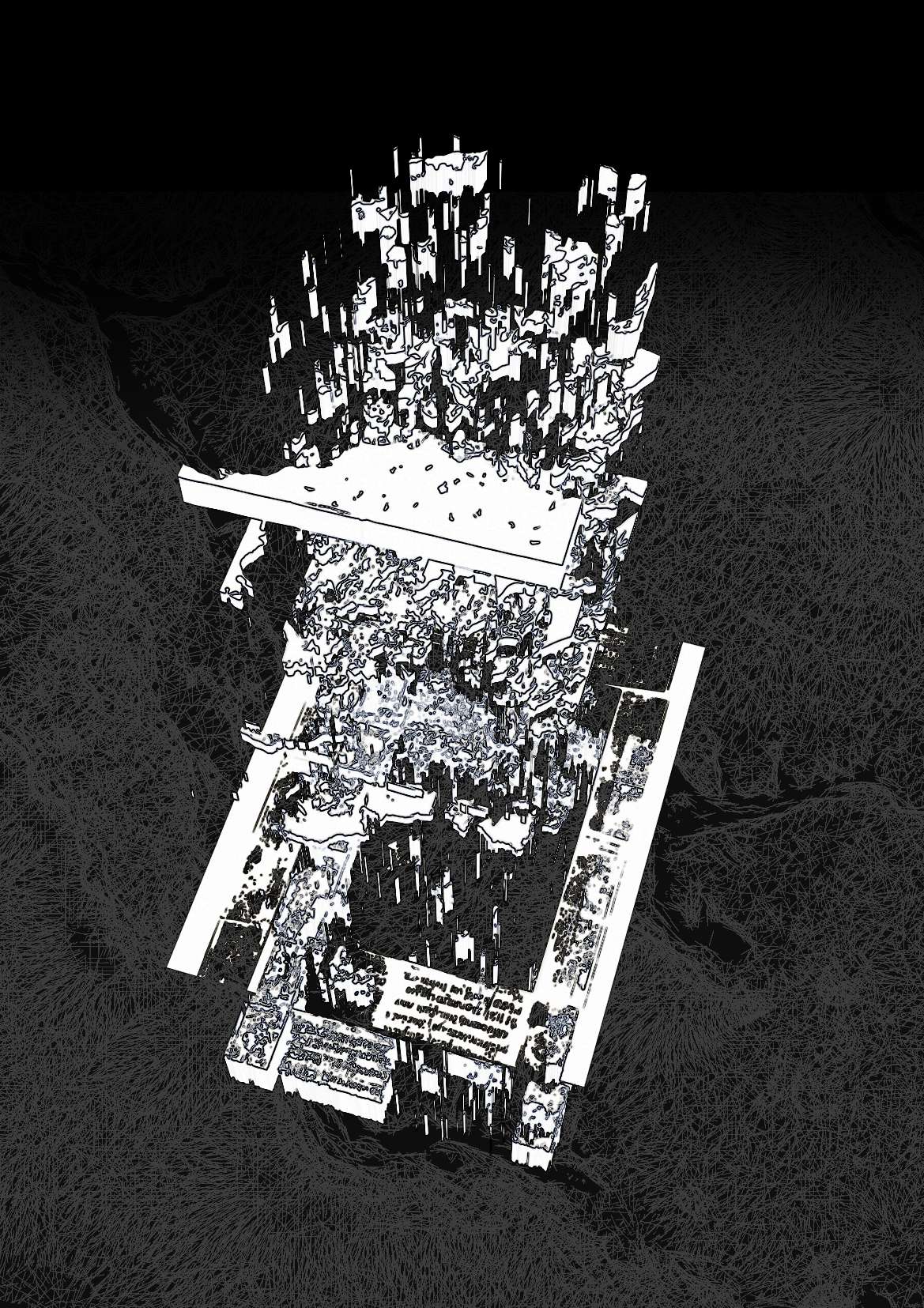
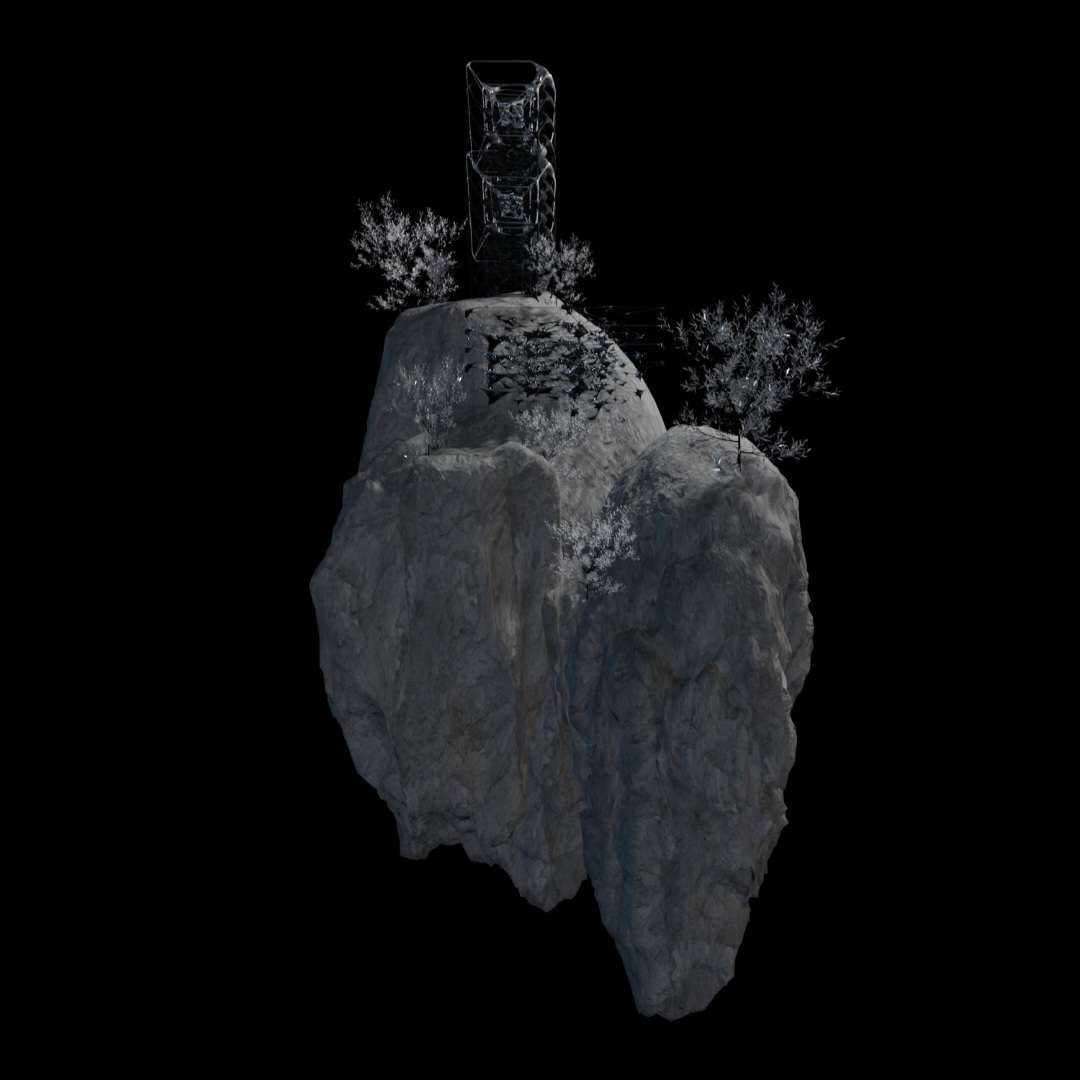
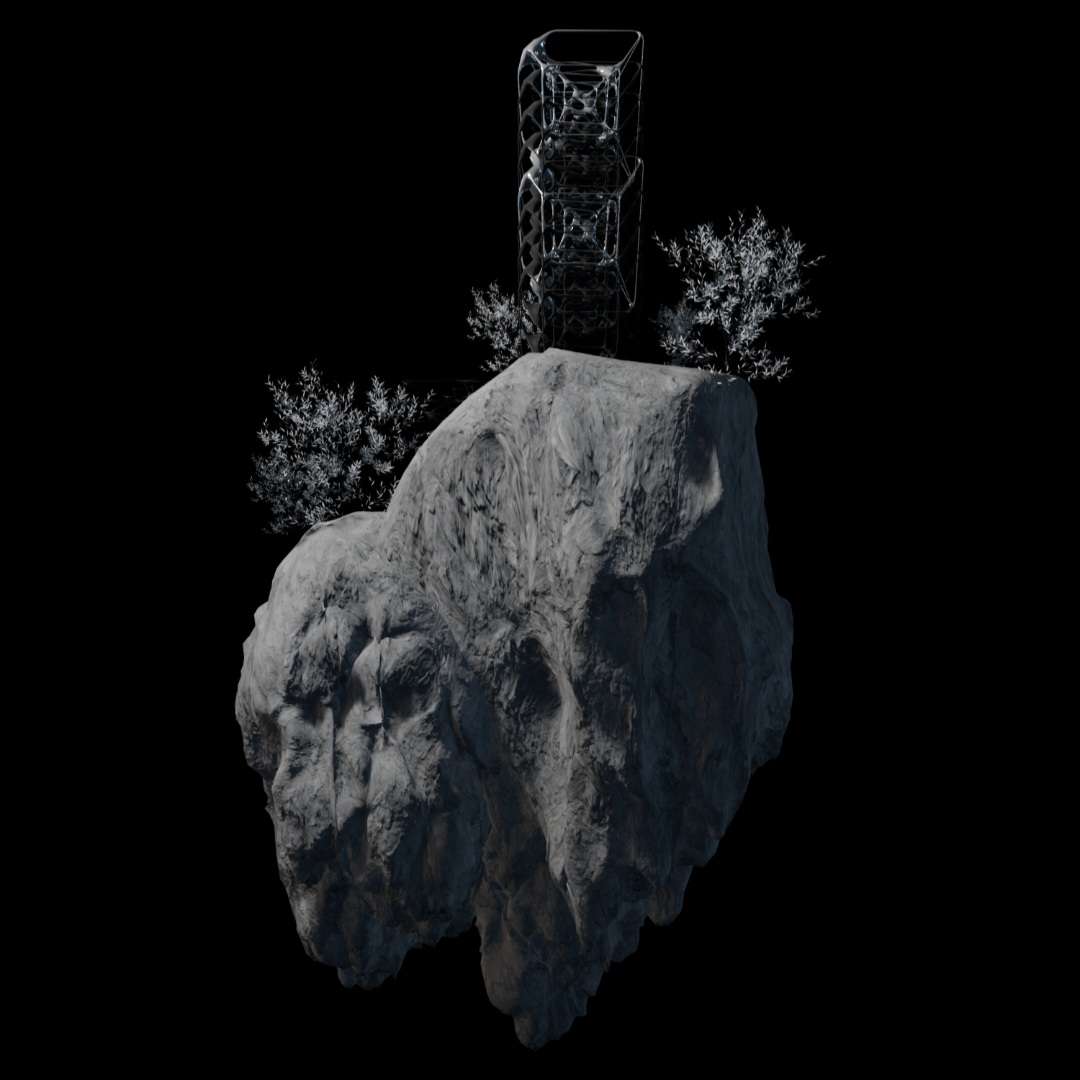
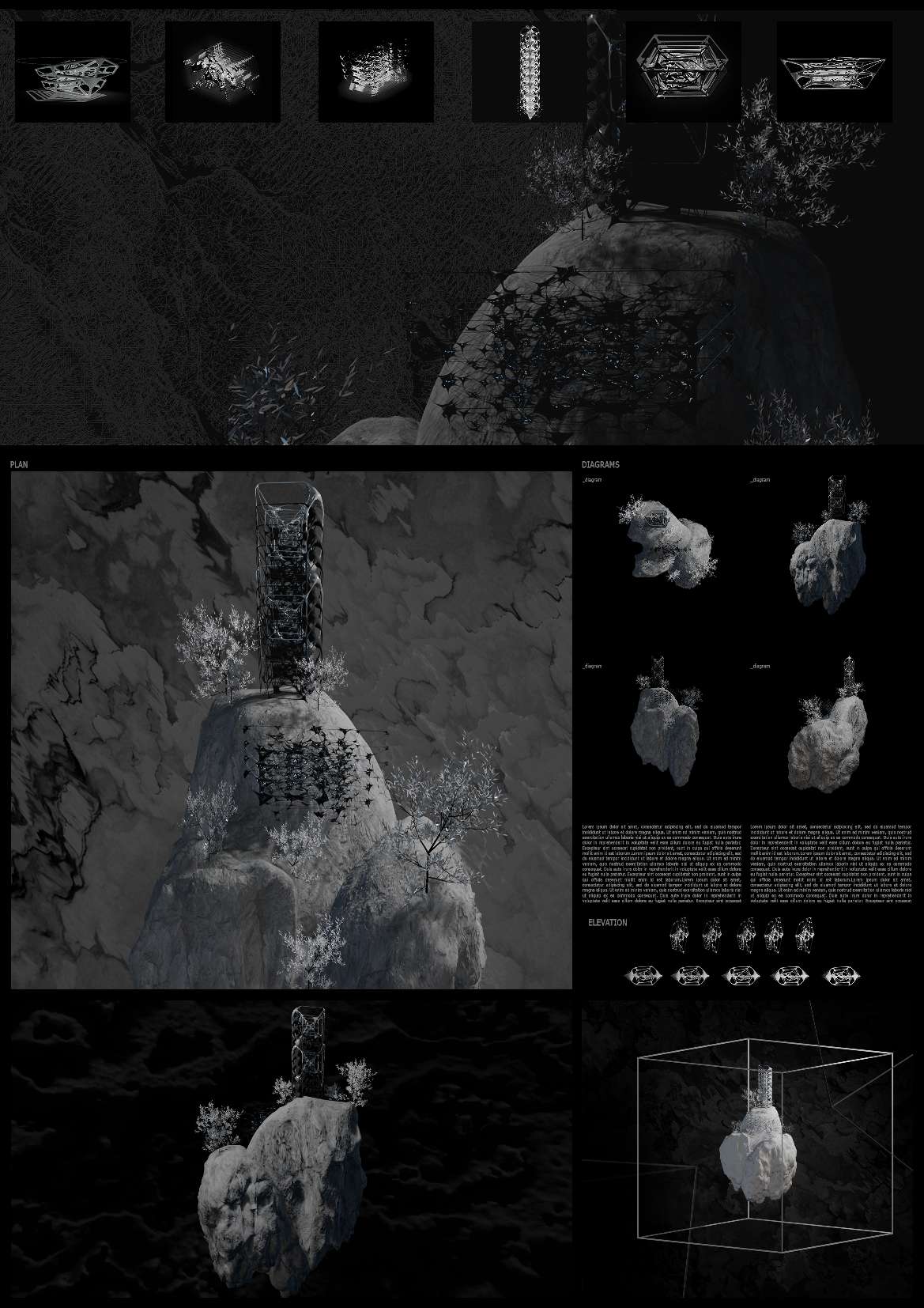
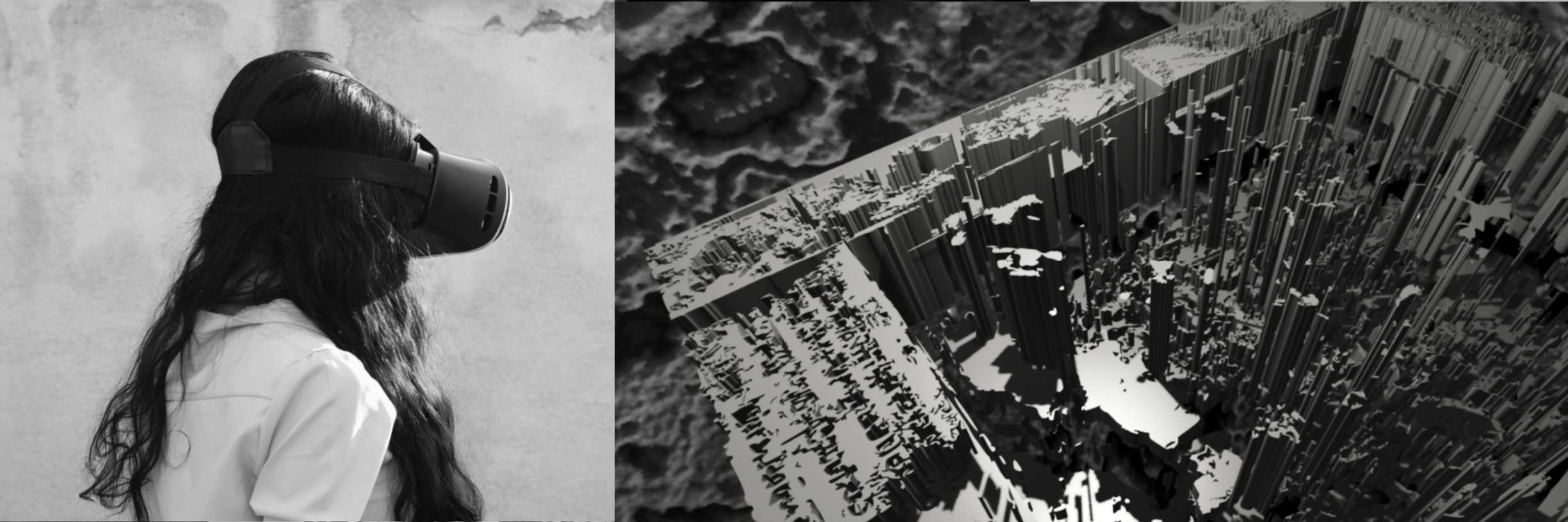
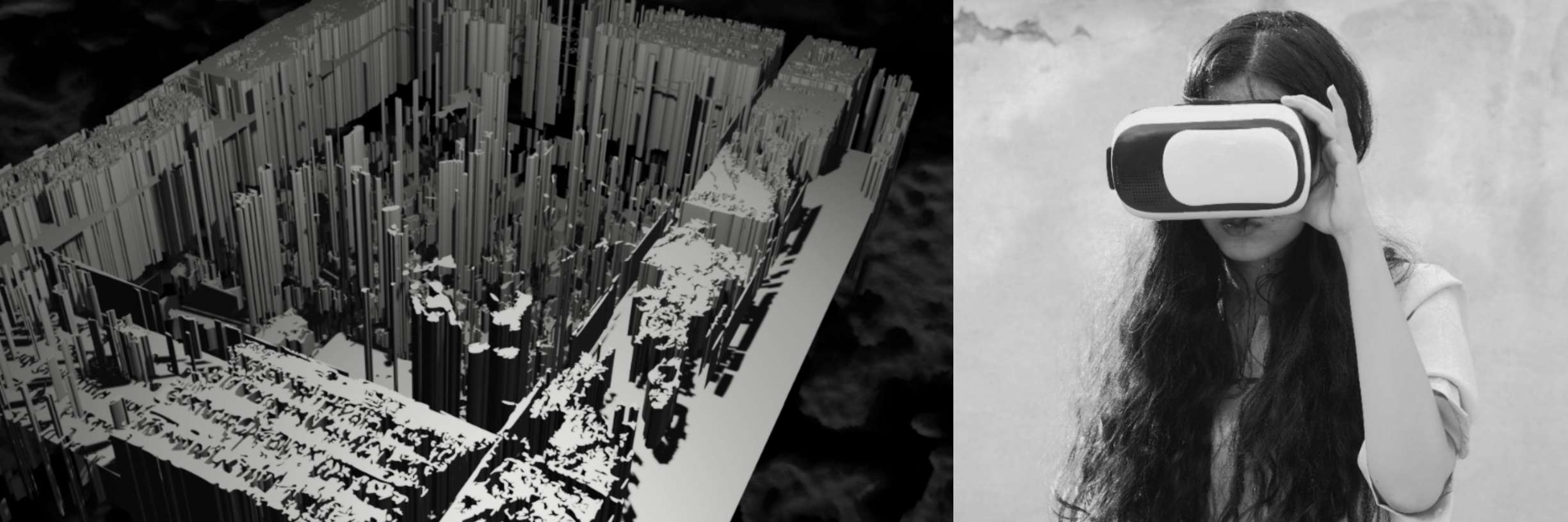
This project presents a multi-sensory, interactive visual triptych—also available in virtual reality—developed in Unity. It critically examines how large language models (LLMs) fabricate, distort, or erase knowledge relating to extremely under-resourced languages and cultural archives, particularly those silenced by political suppression and systemic neglect.
Conceptual Foundation:
Focusing on Middle Persian (Pahlavi), the official language of the Sasanian Empire (224–651 CE), the project engages with a historically rich literary and religious corpus—including the Dēnkard and Bundahišn. These works, central to Zoroastrian philosophy and cosmology, are frequently absent or misrepresented in modern AI systems due to their minimal digitization and low presence in training corpora.
By interrogating how contemporary AI reconstructs or hallucinates these underrepresented epistemologies, the project foregrounds a deeper critique: that machine intelligence, trained on dominant datasets, can replicate colonial patterns of omission.
Narrative Structure: The Three Seasons of Machine Hallucination
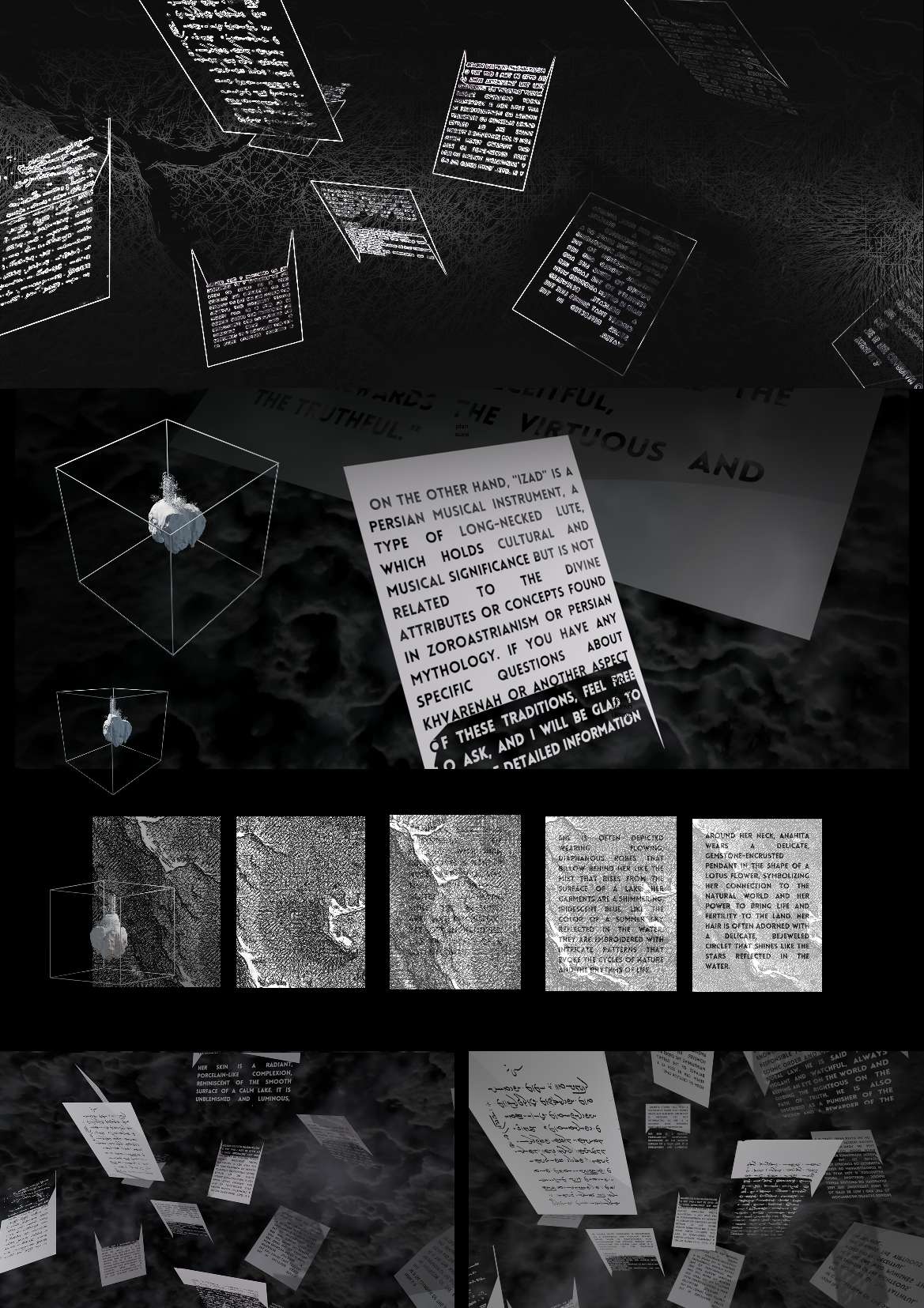
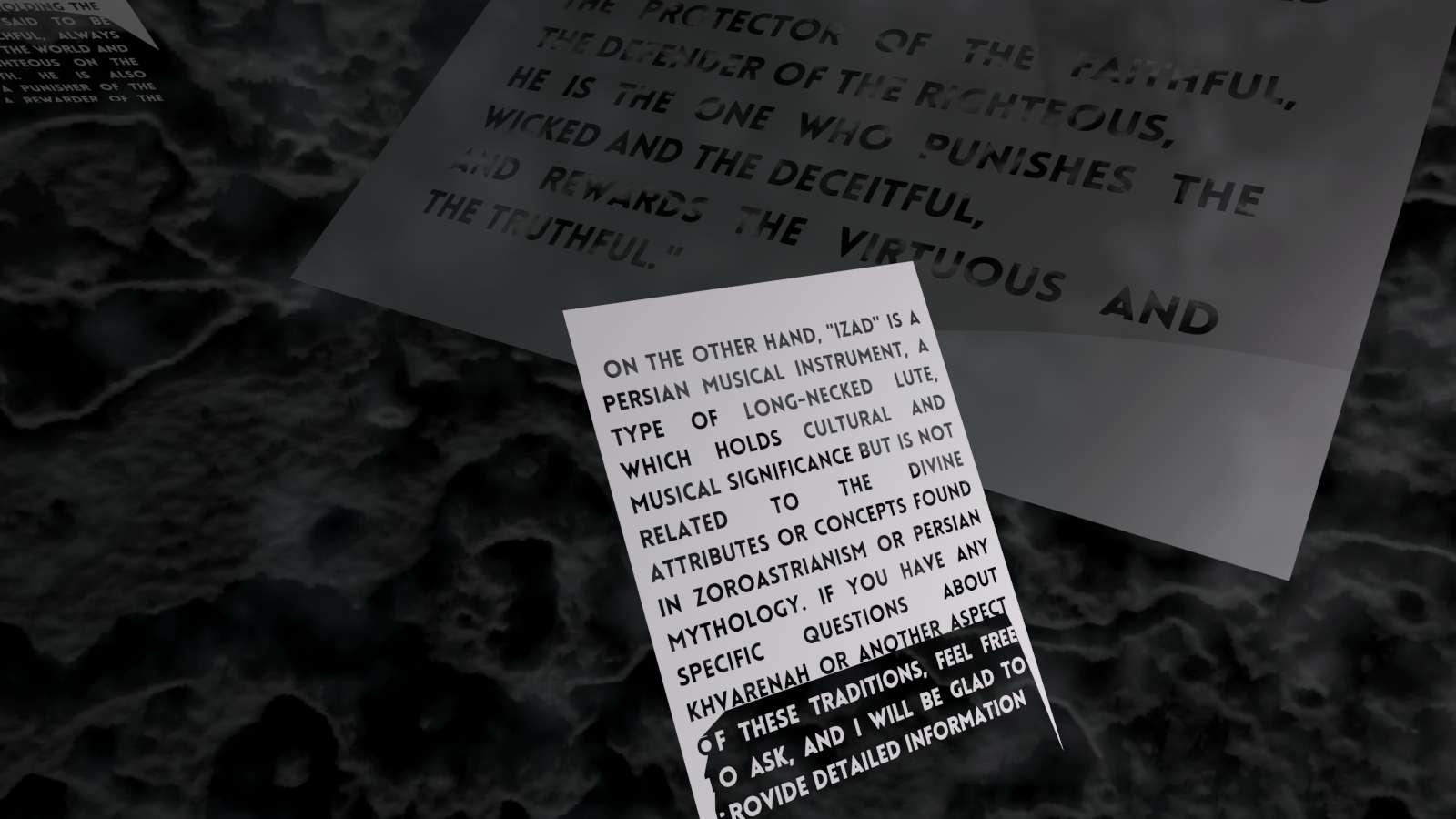
Each section—or “season”—functions as a generative meditation on how misinformation hardens into distorted cultural memory. Several customized AI chatbots, shaped via prompt engineering, narrate mythological figures and concepts from ancient Persian texts—revealing embedded biases and inaccuracies in the process.
Season One: Script and Terrain
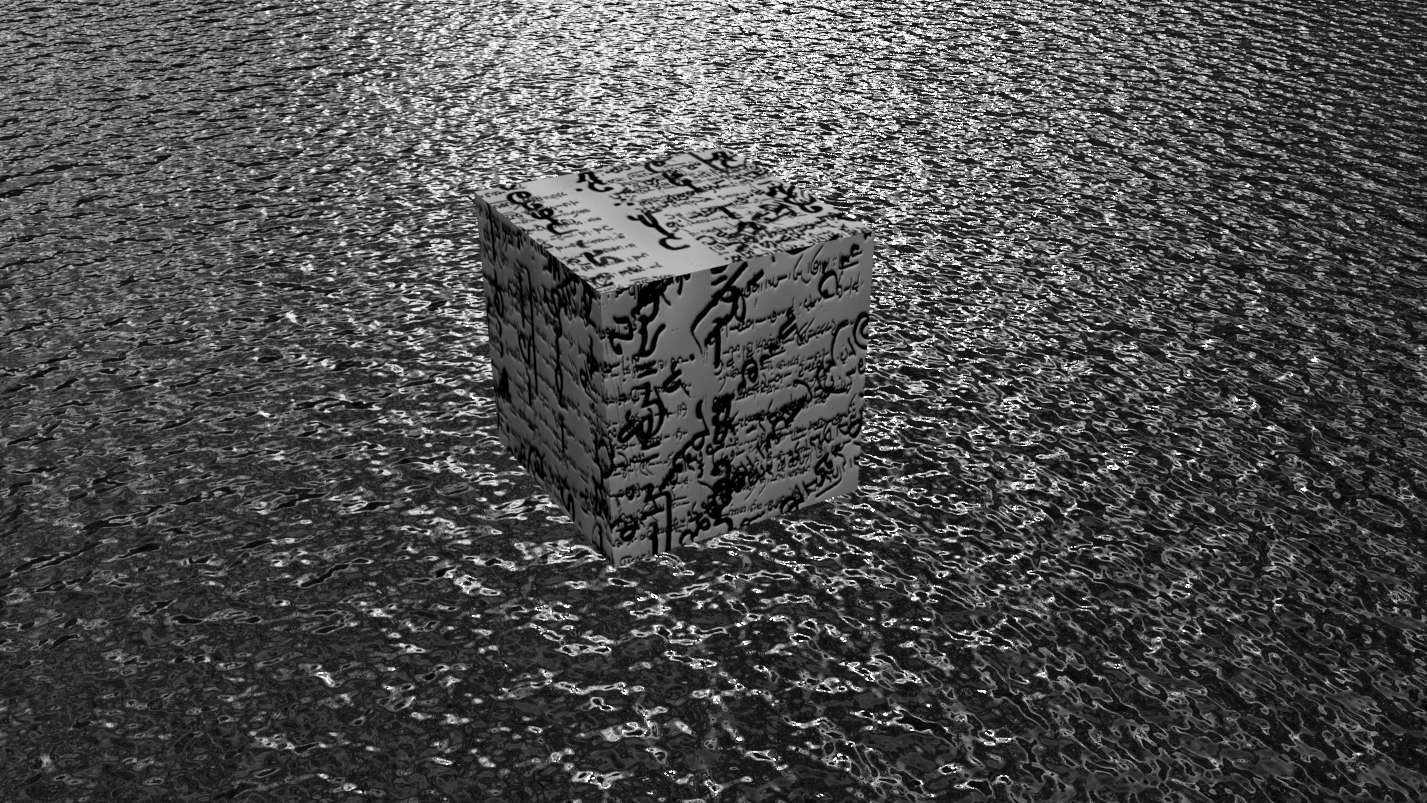
Set within a parametrically generated landscape (designed using Rhino/Grasshopper), a hovering cube is wrapped in experimental Middle Persian calligraphy. Rendered manually using traditional tools—qalam and davat—this element emphasizes the tactile memory of handwriting. The calligraphic composition mirrors Zoroastrian cosmological order, contrasting the precision of tradition with the ambiguity of algorithmic perception.
Season Two: Epic Verticality
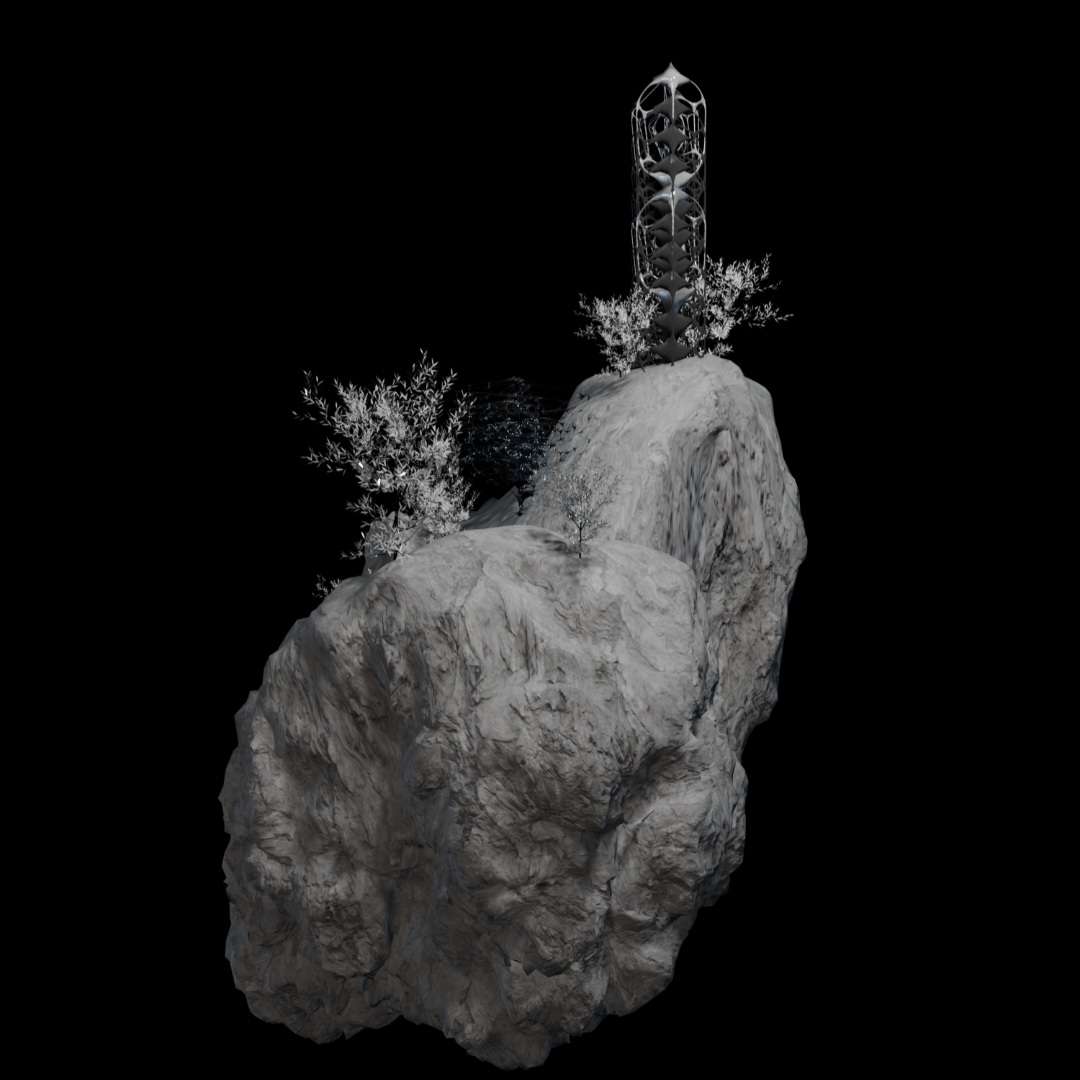
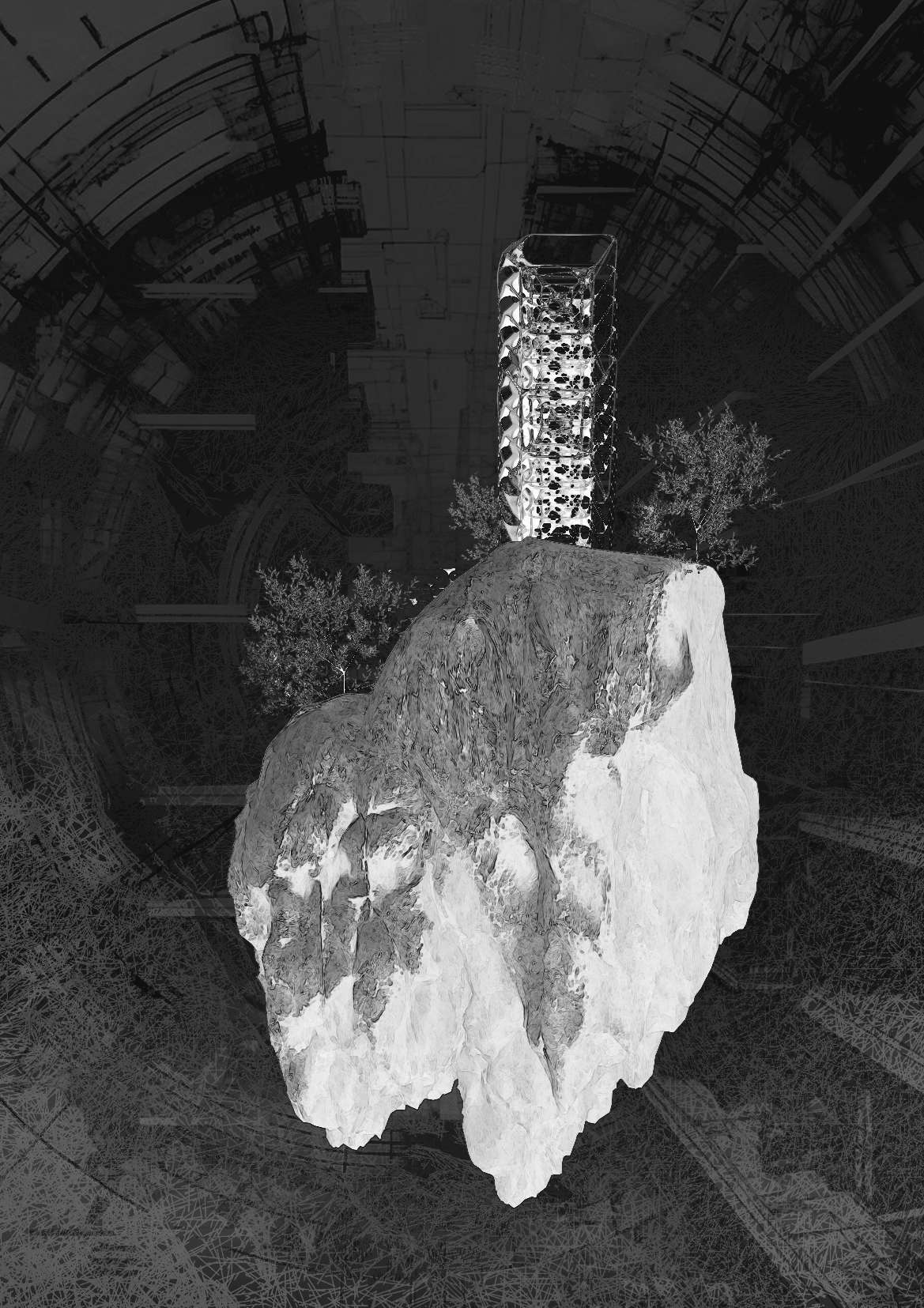
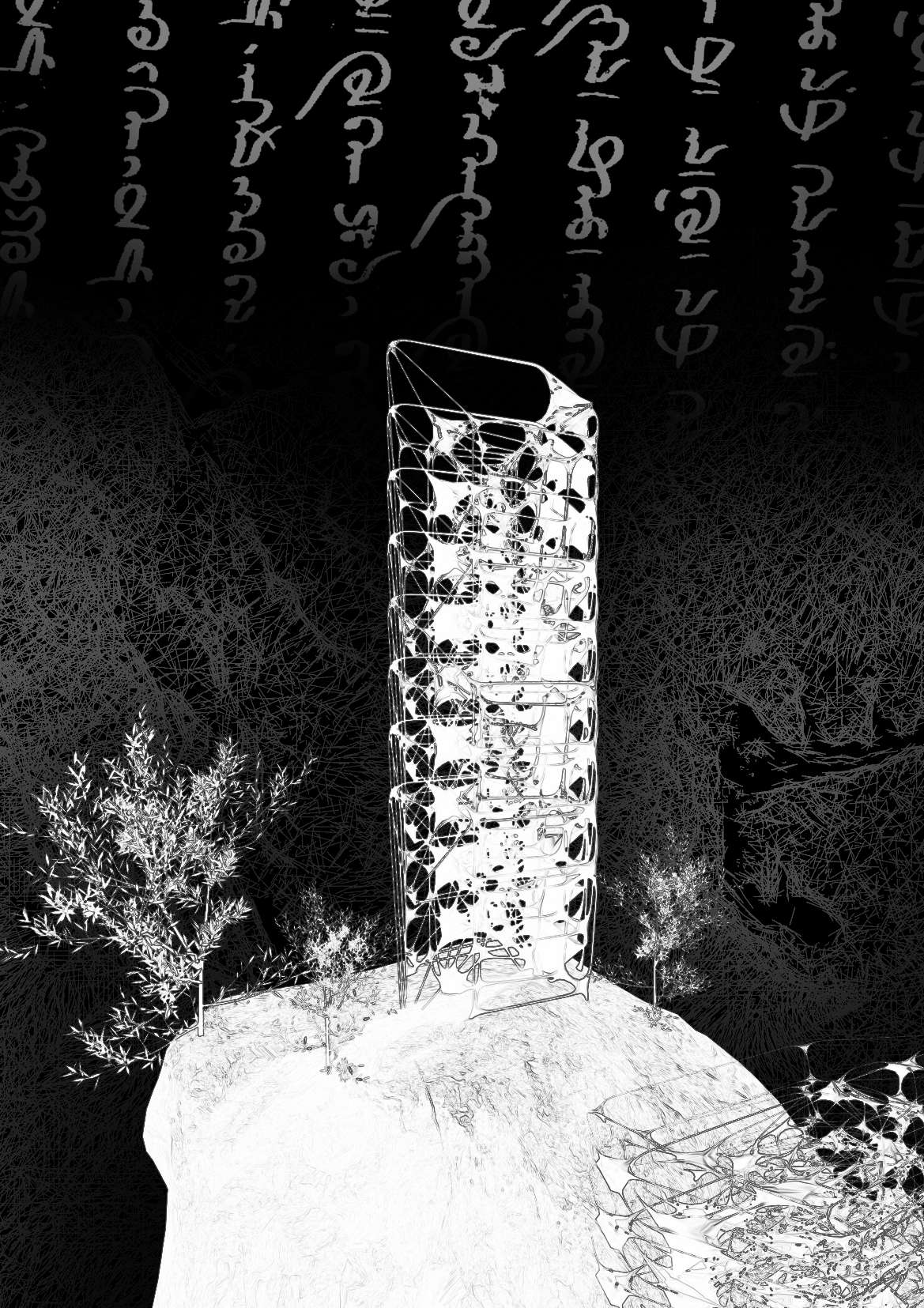
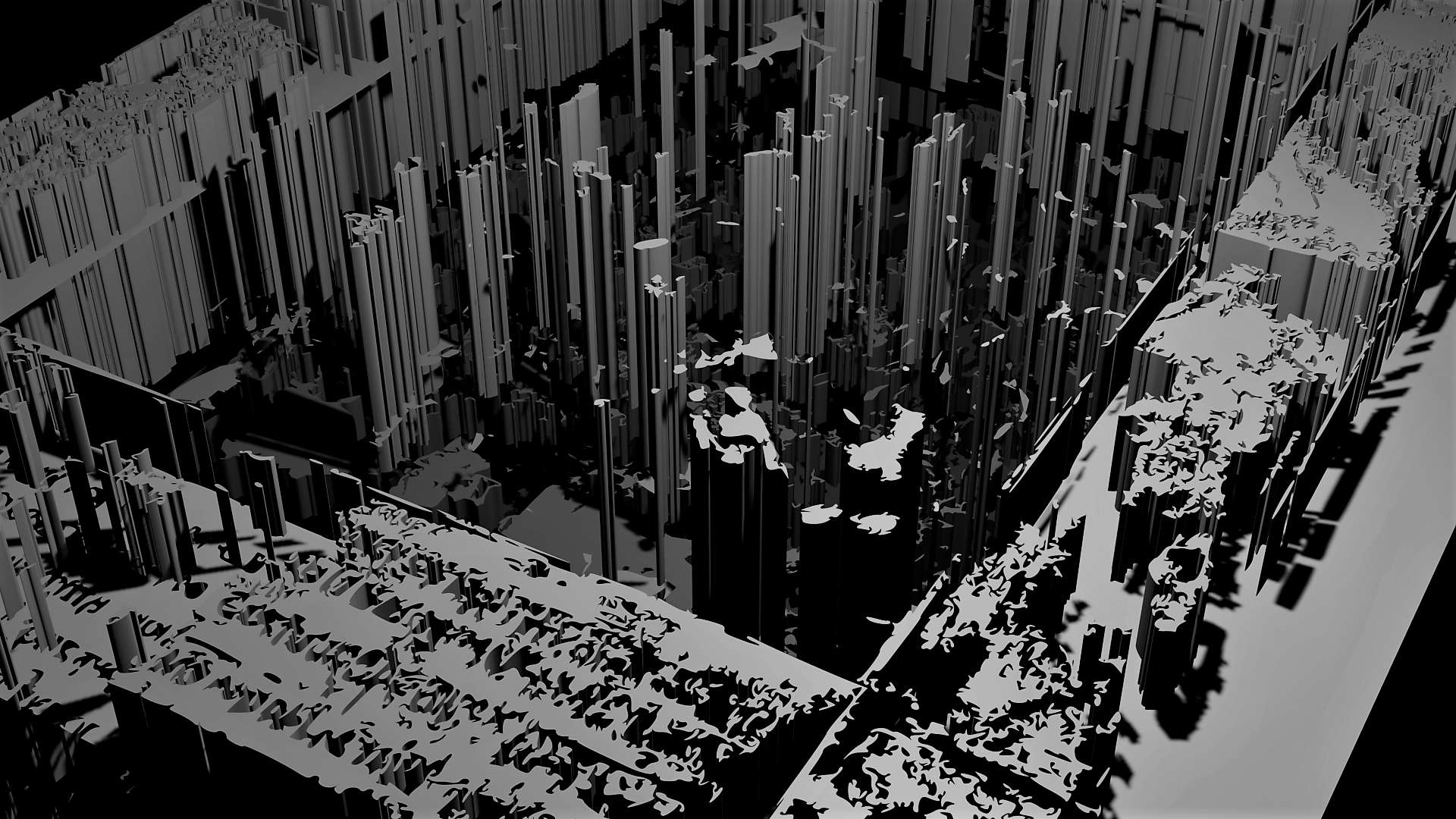
A towering vertical sculpture emerges, inspired by Ferdowsi’s Shahnameh and its Middle Persian sources, particularly the Khwadāynāmag. Drawing visual language from Negargari (Persian miniature painting), the sculpture incorporates diffusion models to transform epic imagery into generative abstract forms—bridging historical narrative and machine abstraction
Season Three: Scripted Memory / Fabricated Memory
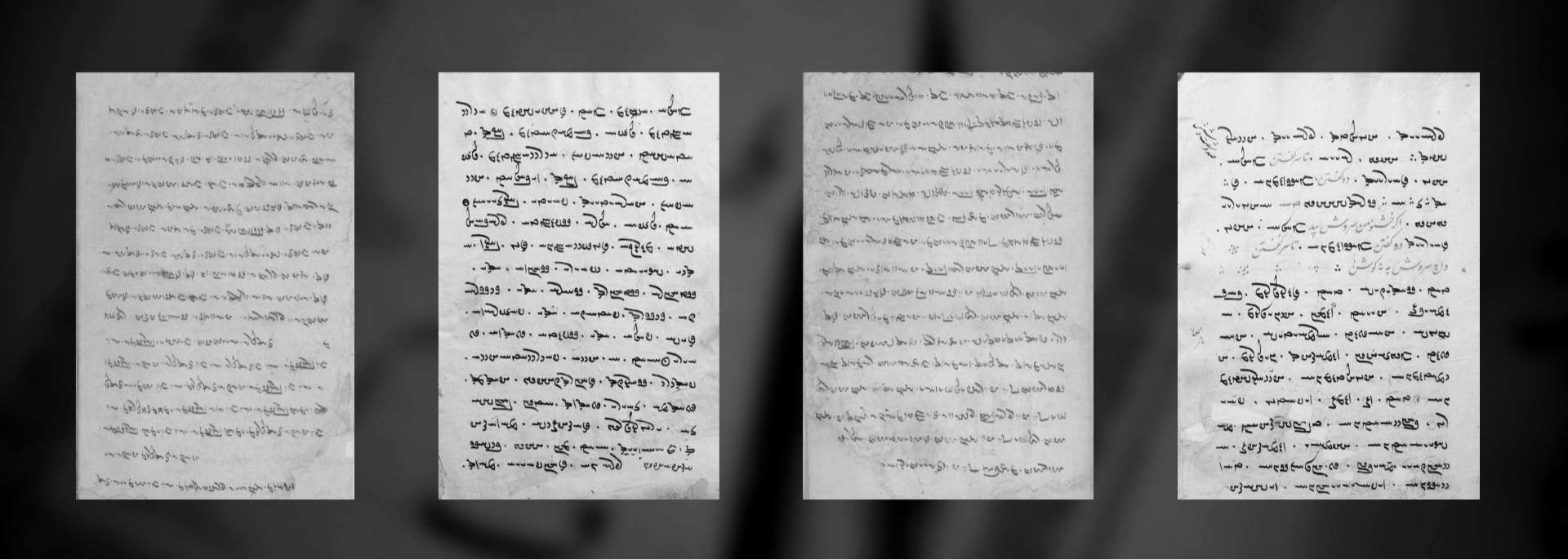
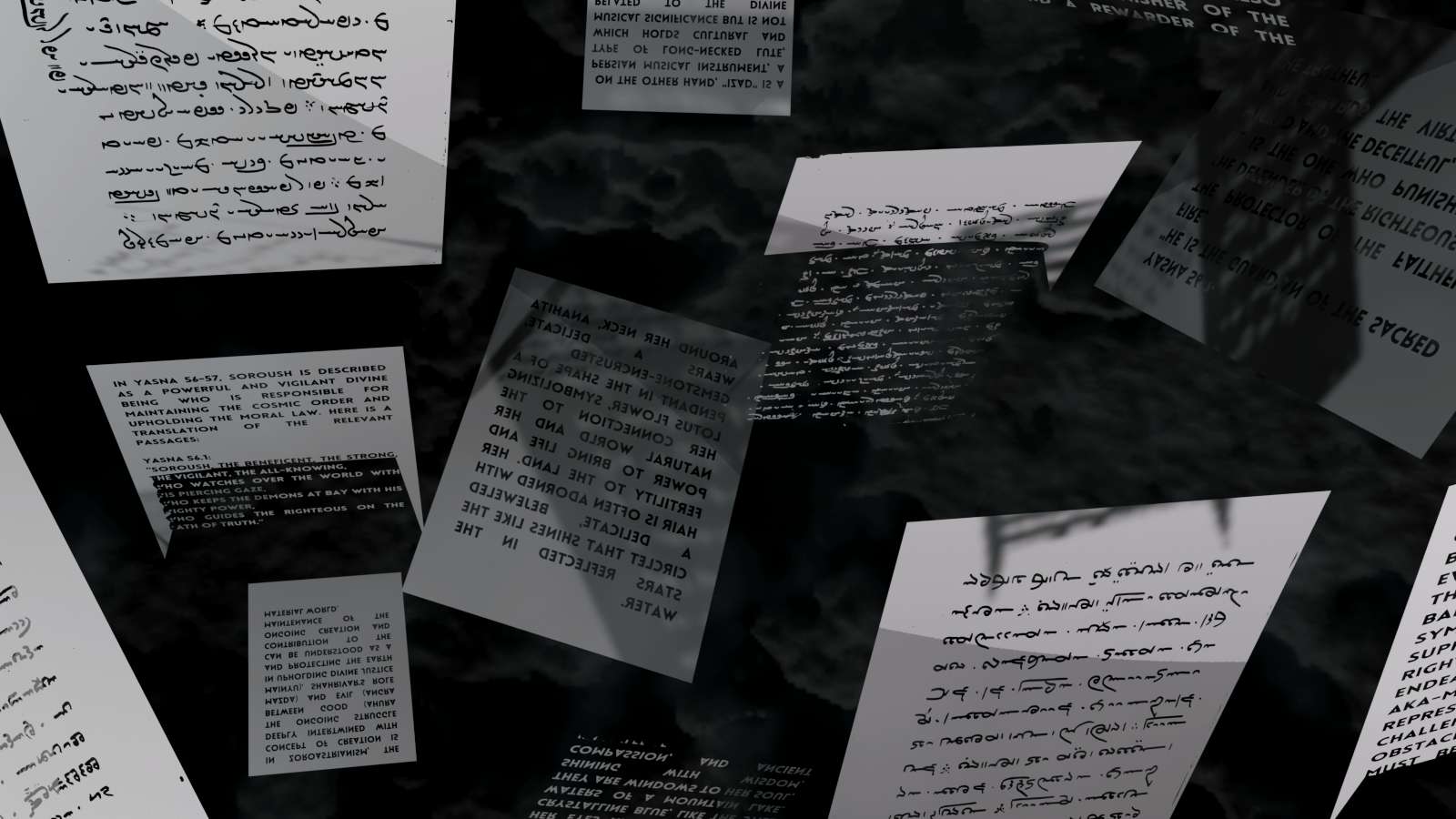
Scanned Middle Persian manuscripts are layered with textual outputs from the AI chatbots—some historically grounded, others entirely fabricated. This juxtaposition lays bare the fragility of digital memory, especially when trained on sparse or overlooked data. It highlights how LLMs often default to generalized, Western-centric narratives, even when responding to culturally specific prompts.
Technological Framework
Unity for immersive 3D and VR development
Rhino/Grasshopper for parametric terrain modeling
Diffusion models for visual reinterpretation
Several customized AI chatbots for narrative and mythological prompts