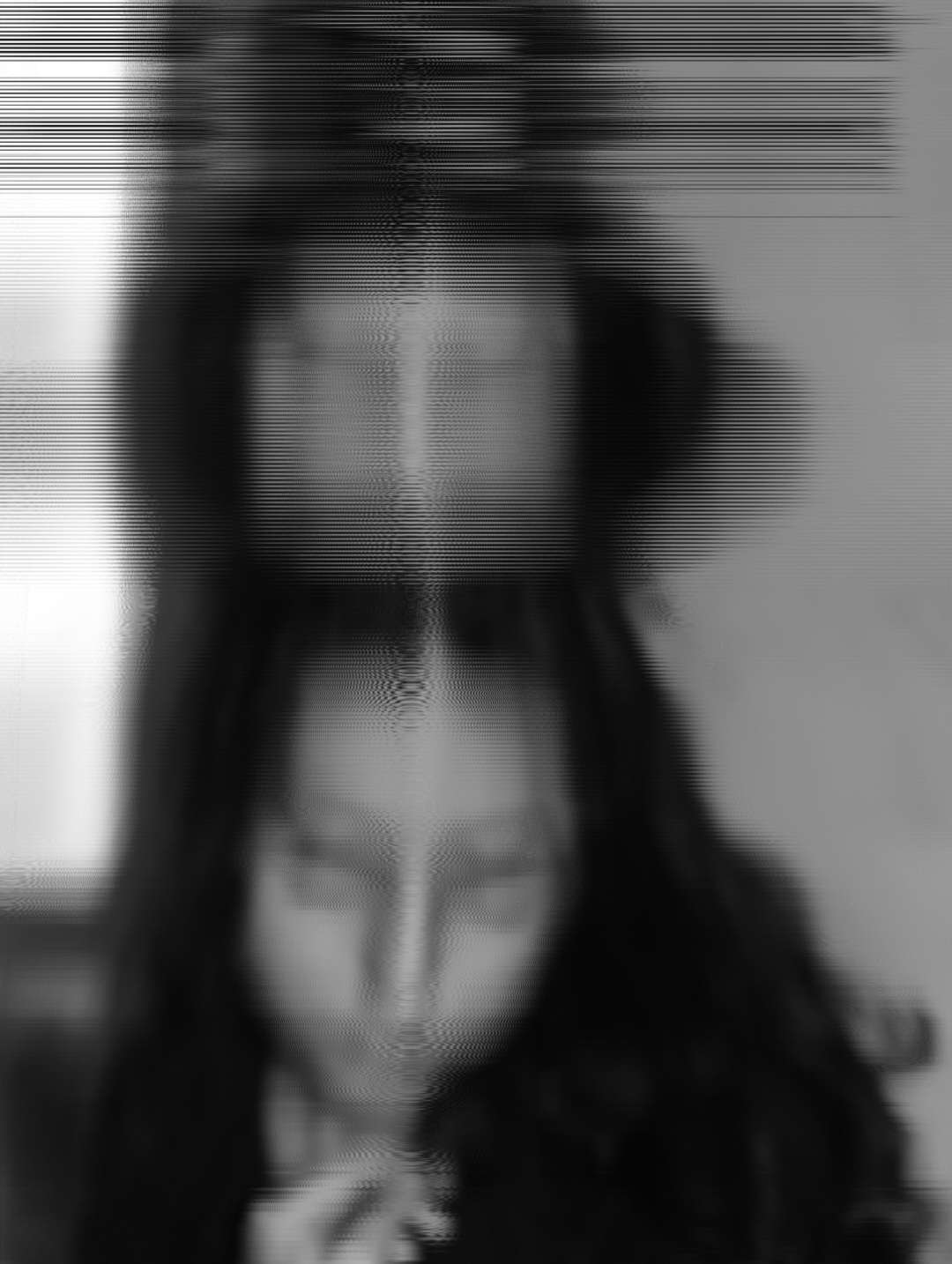
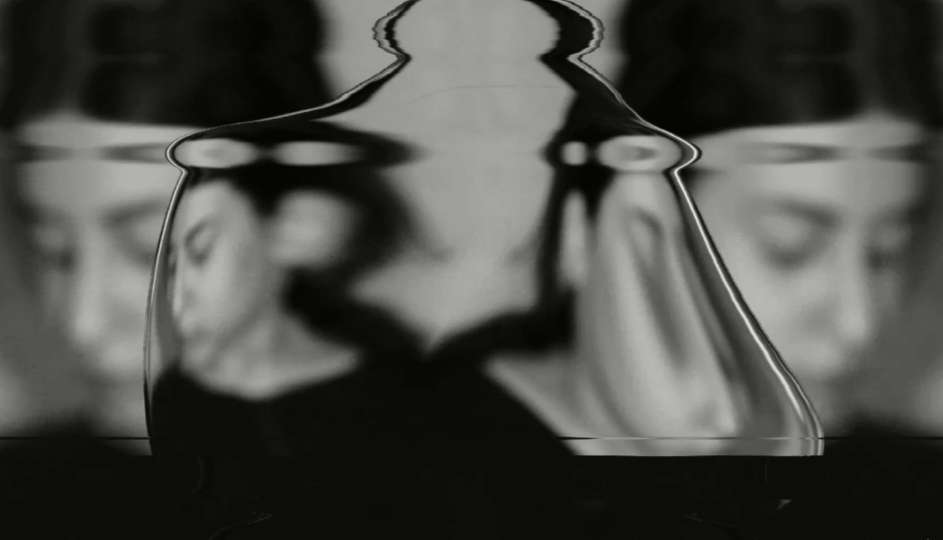
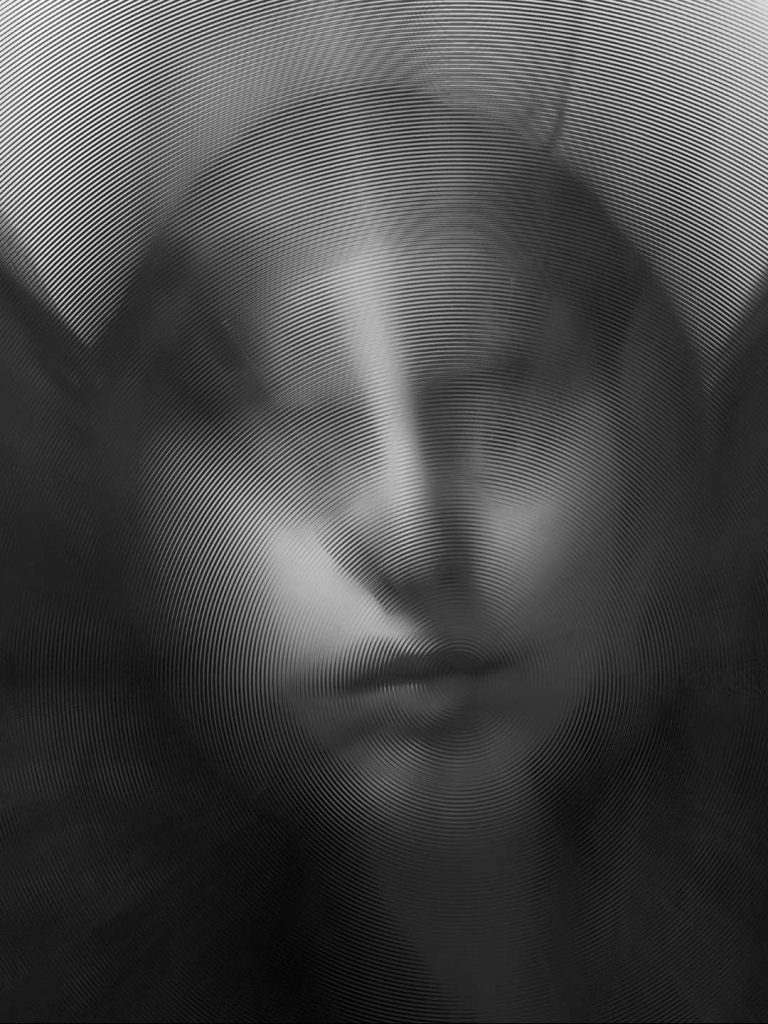
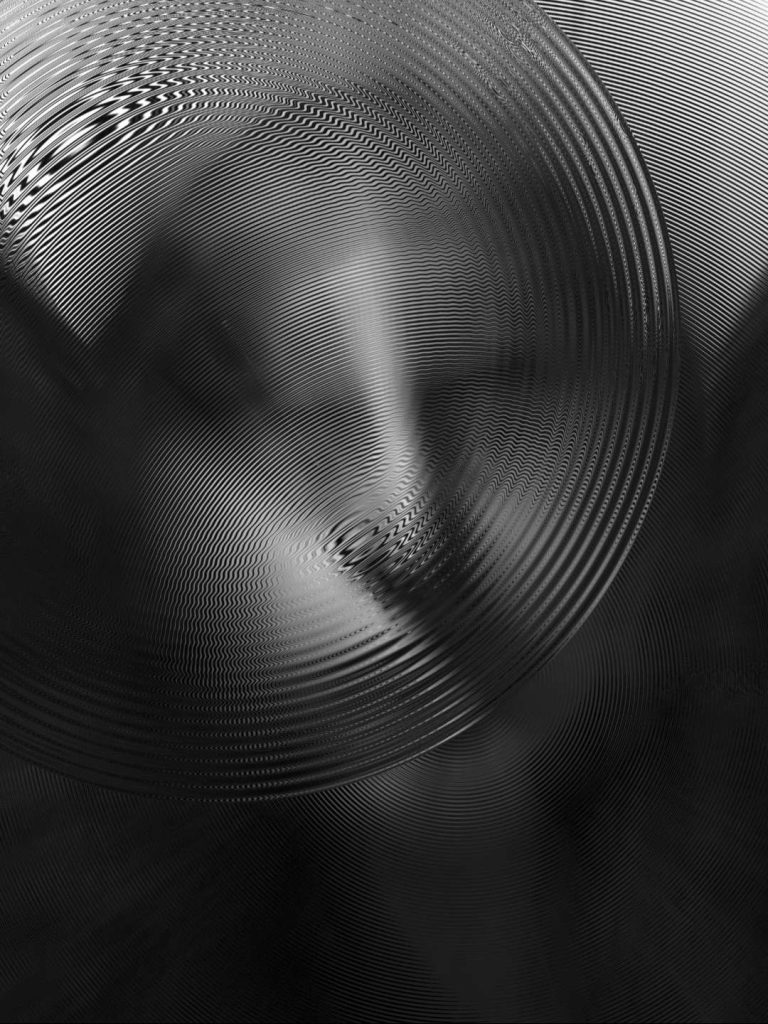
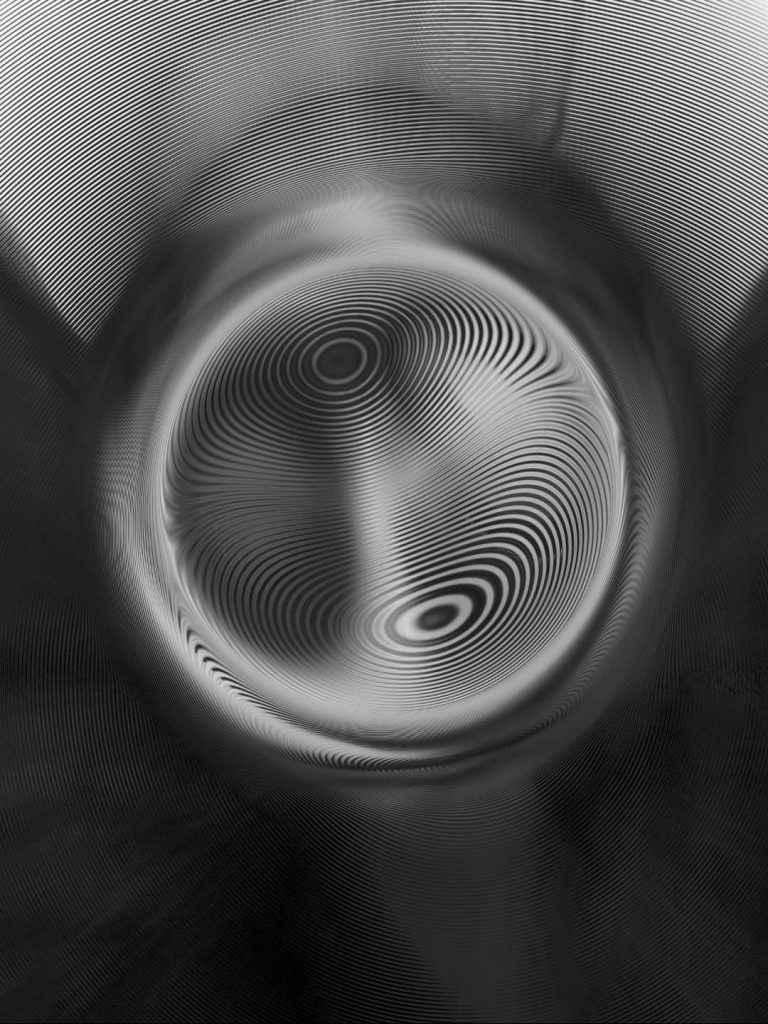
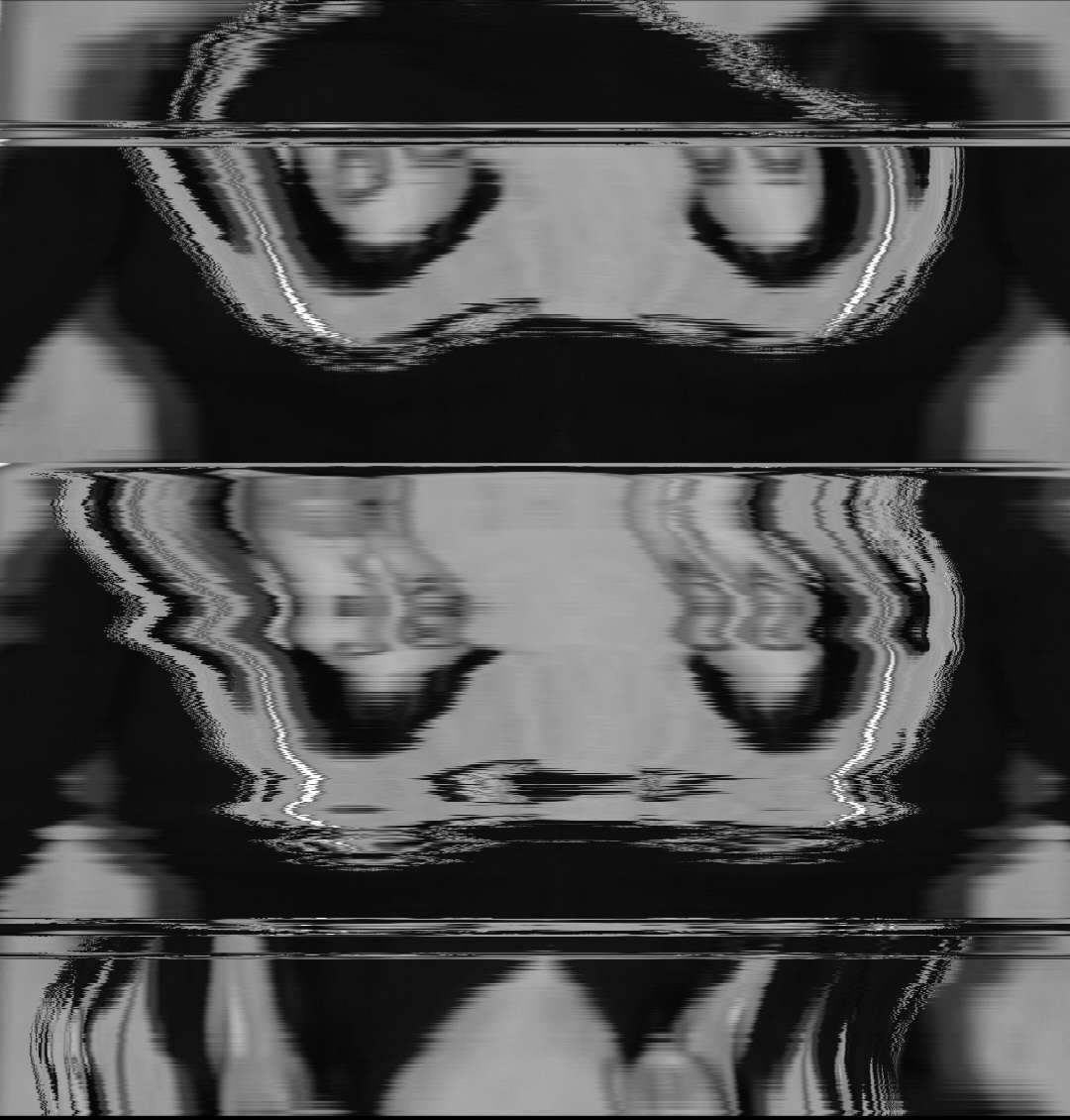
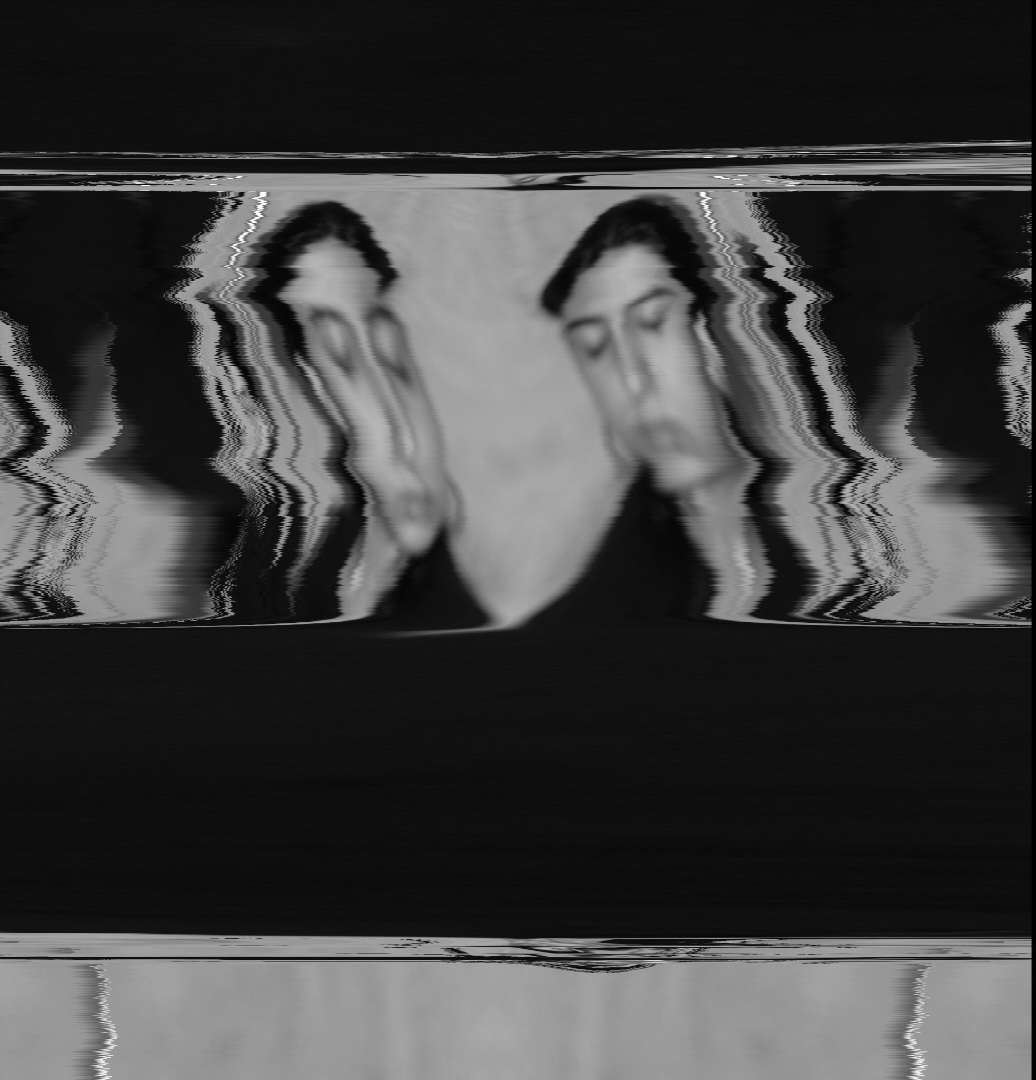
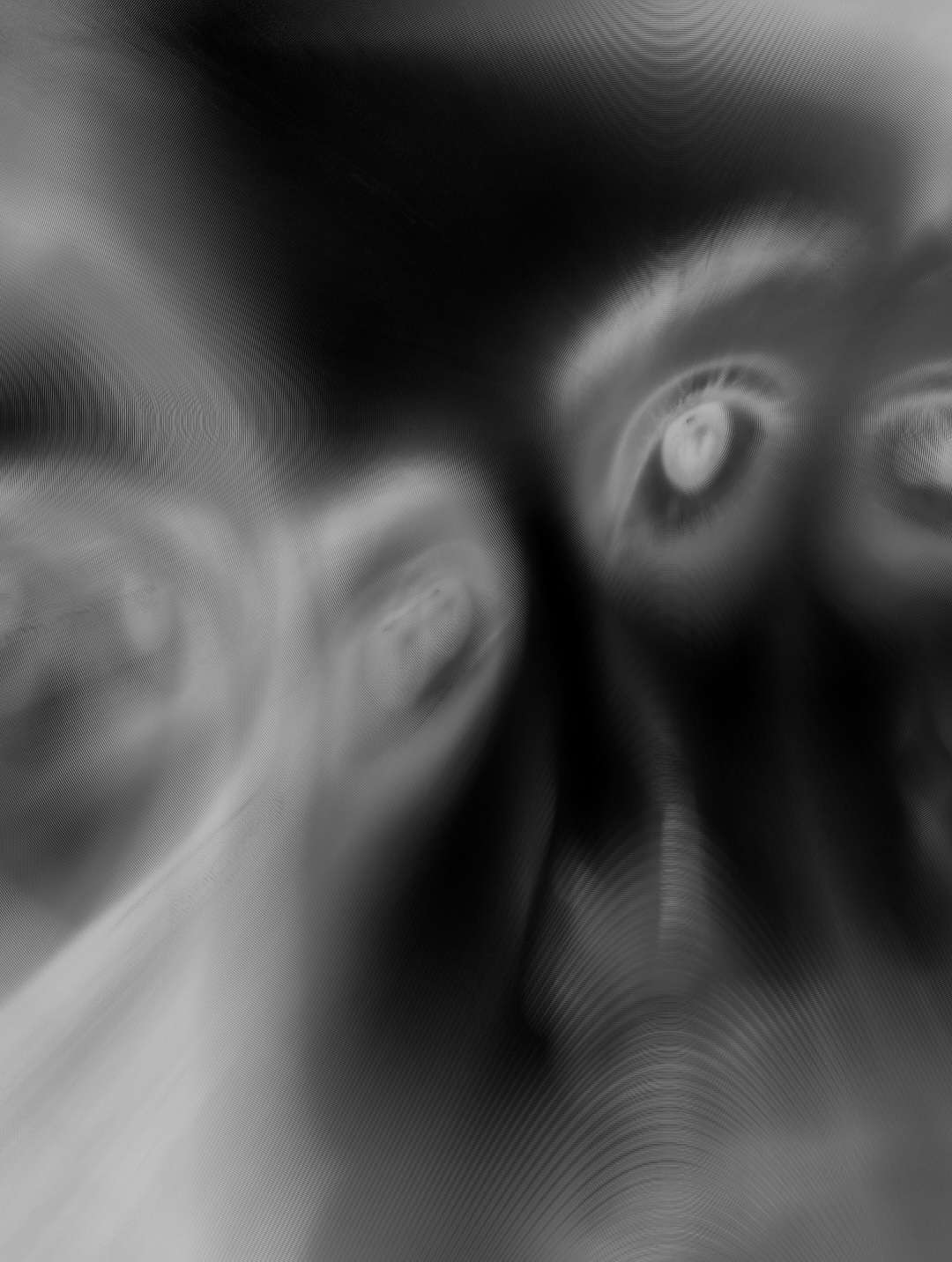
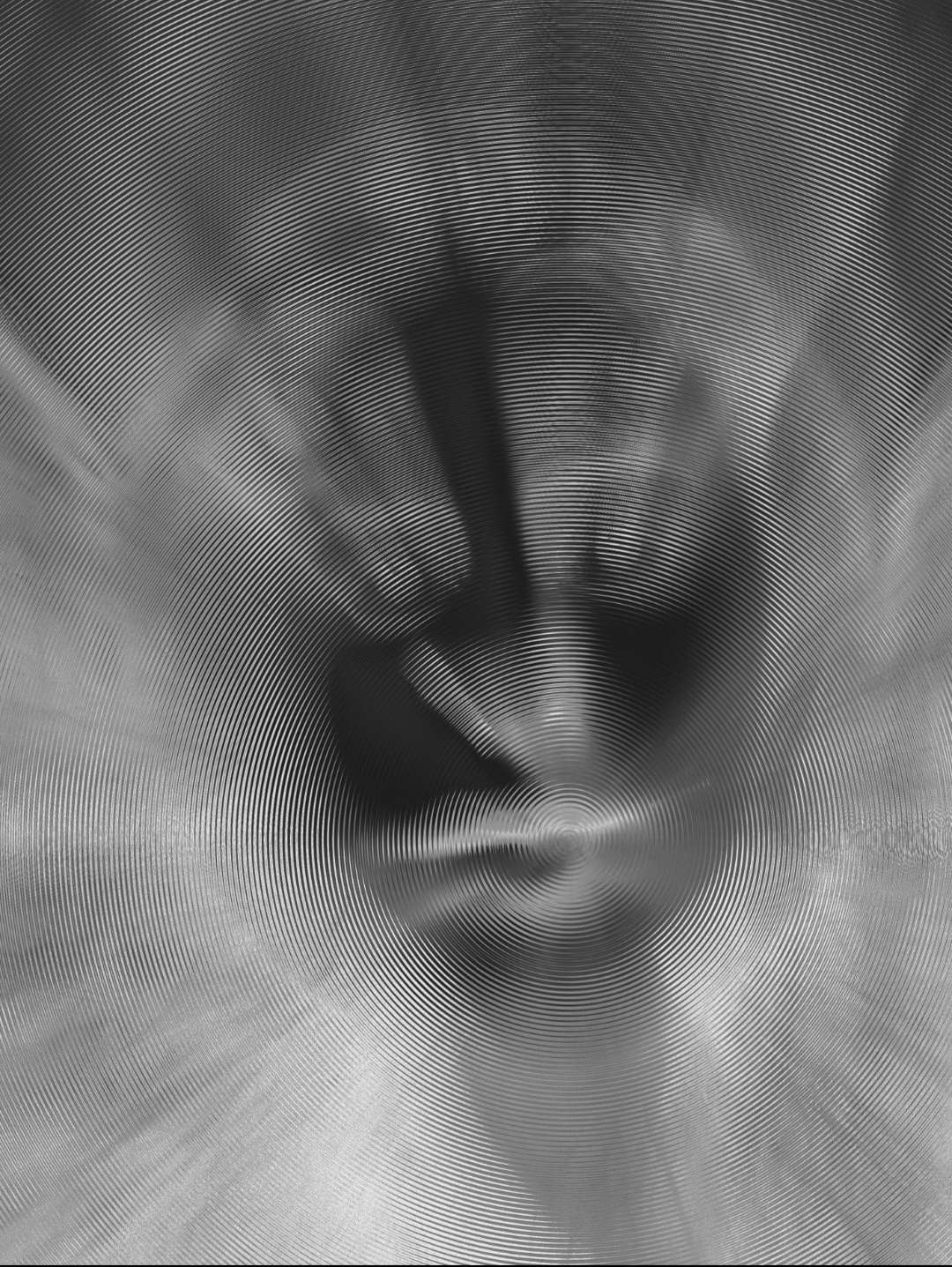
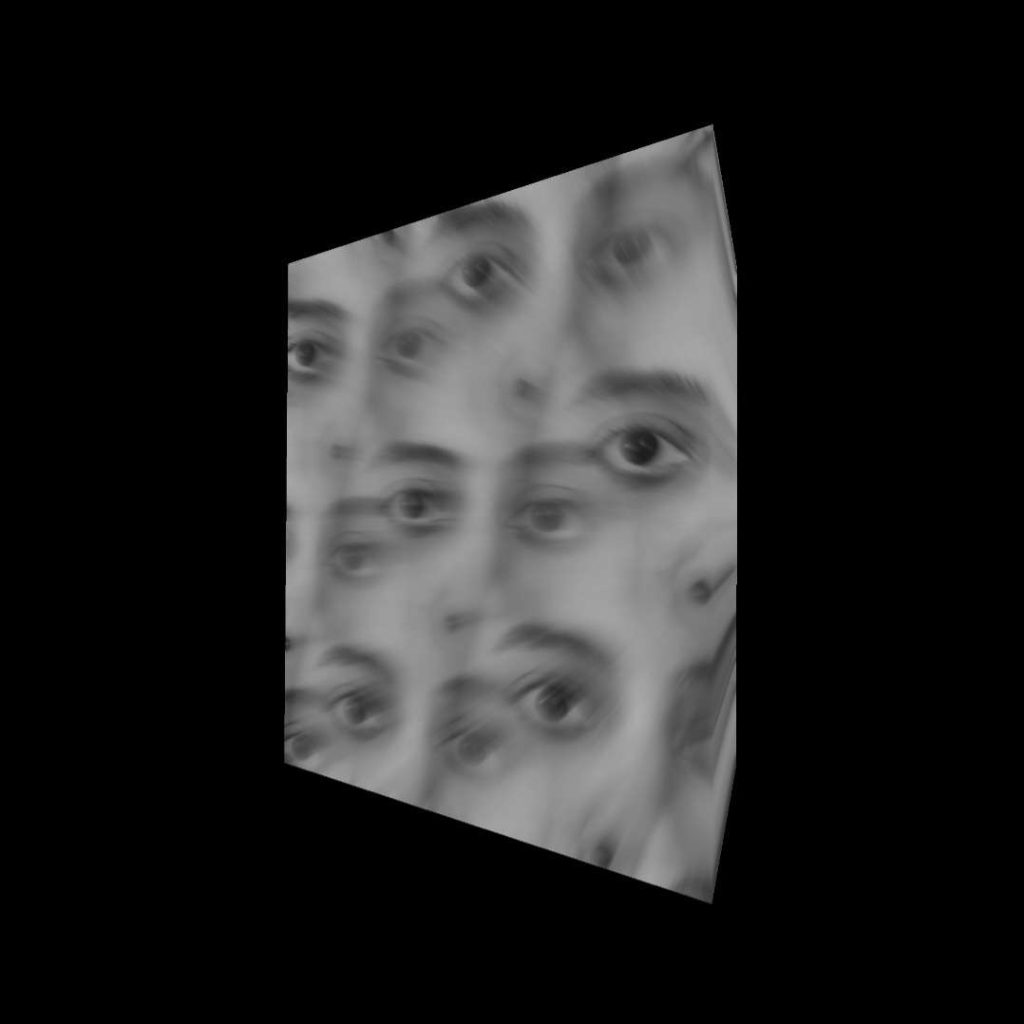
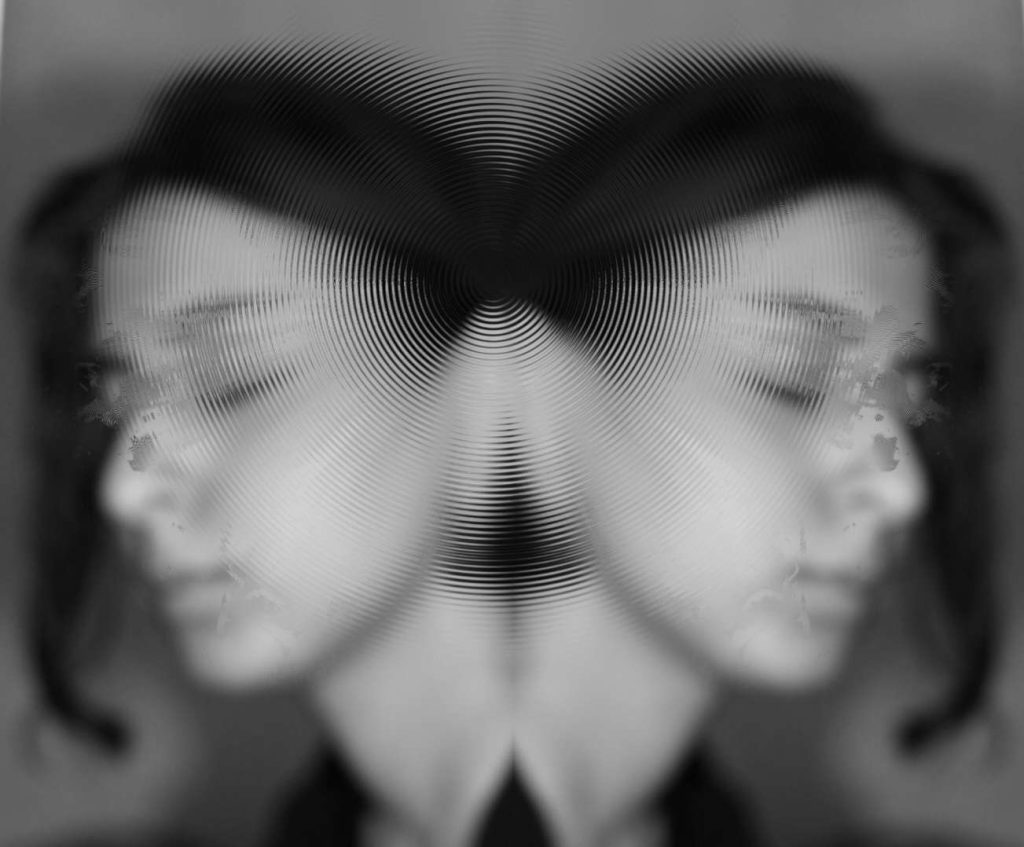
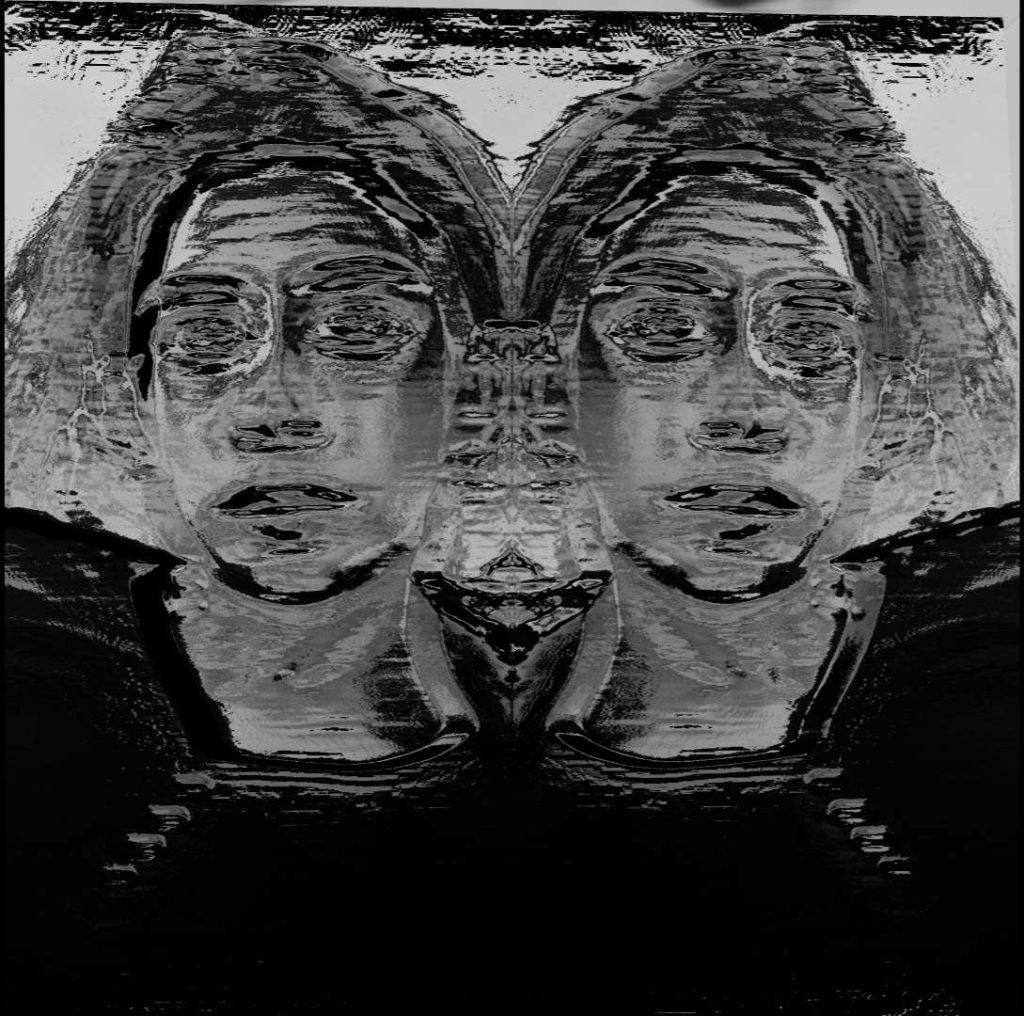
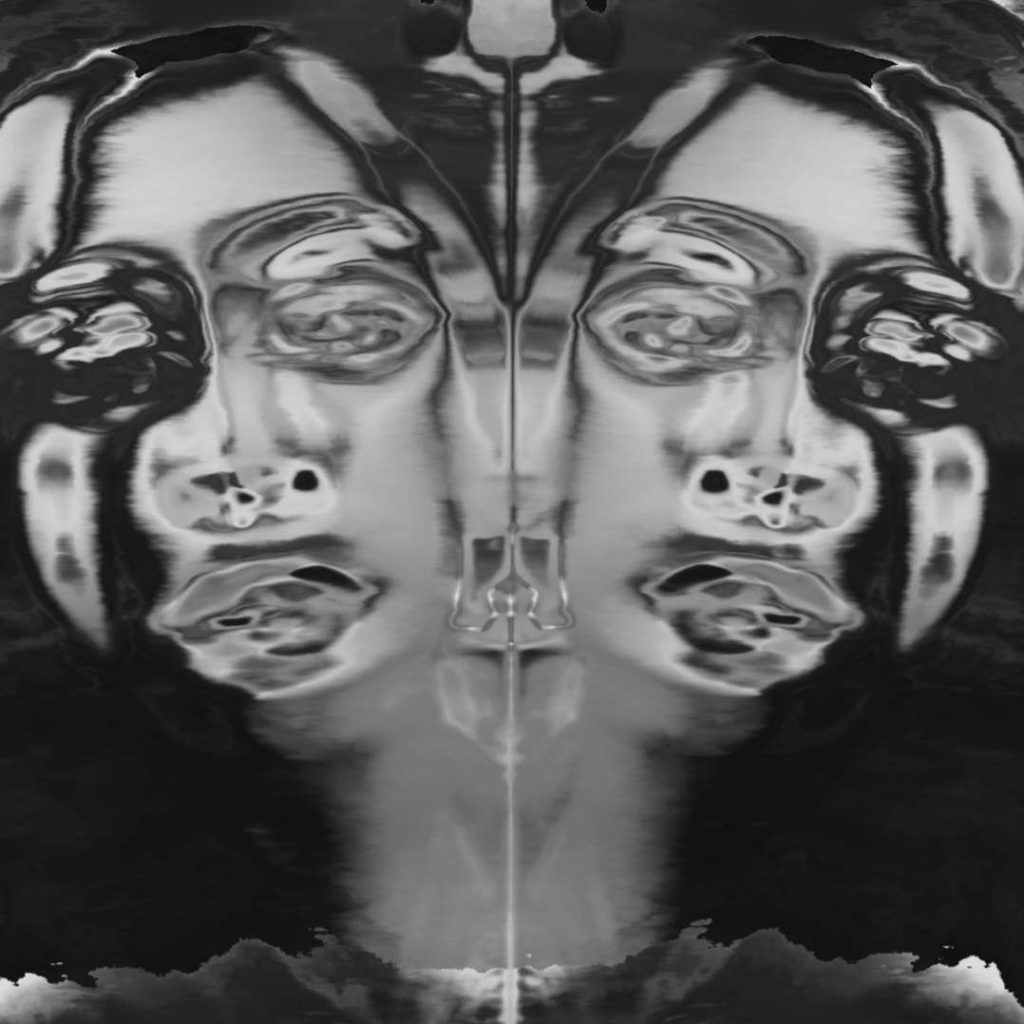
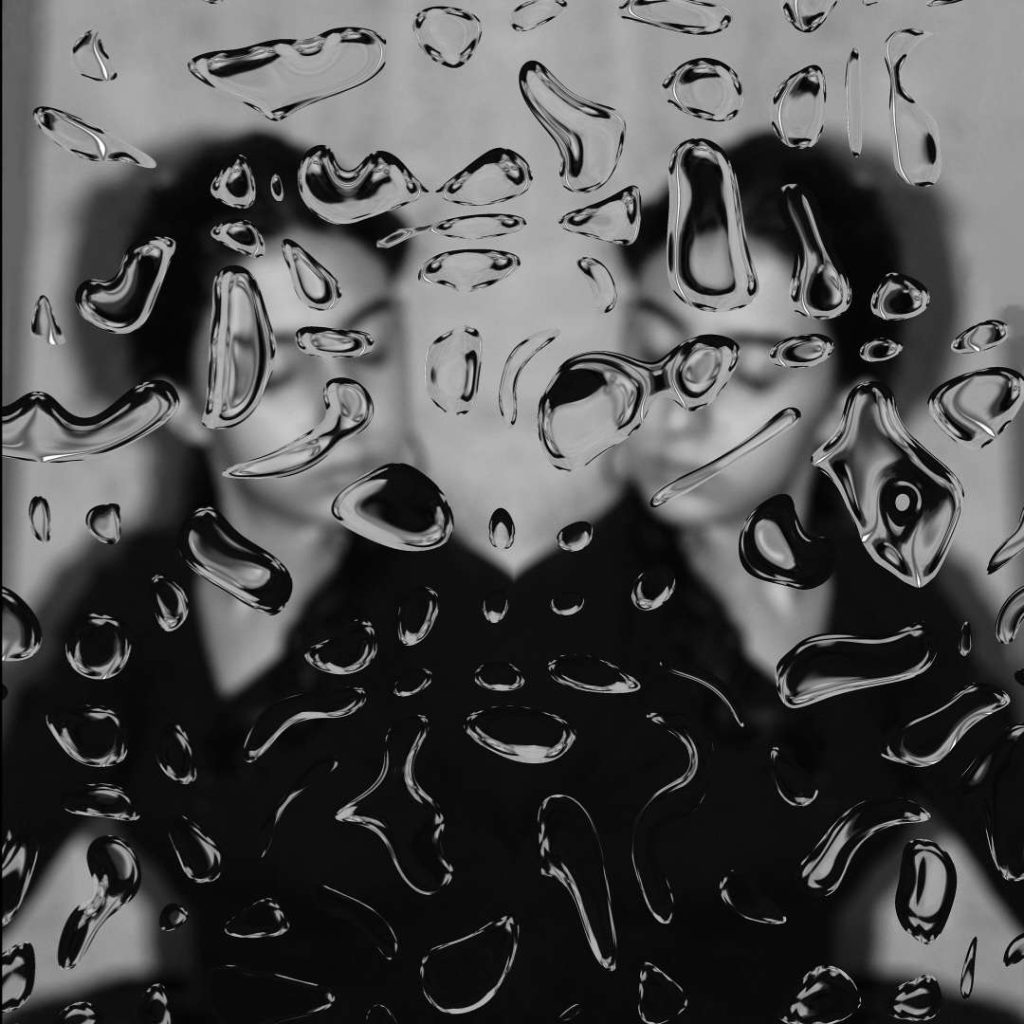
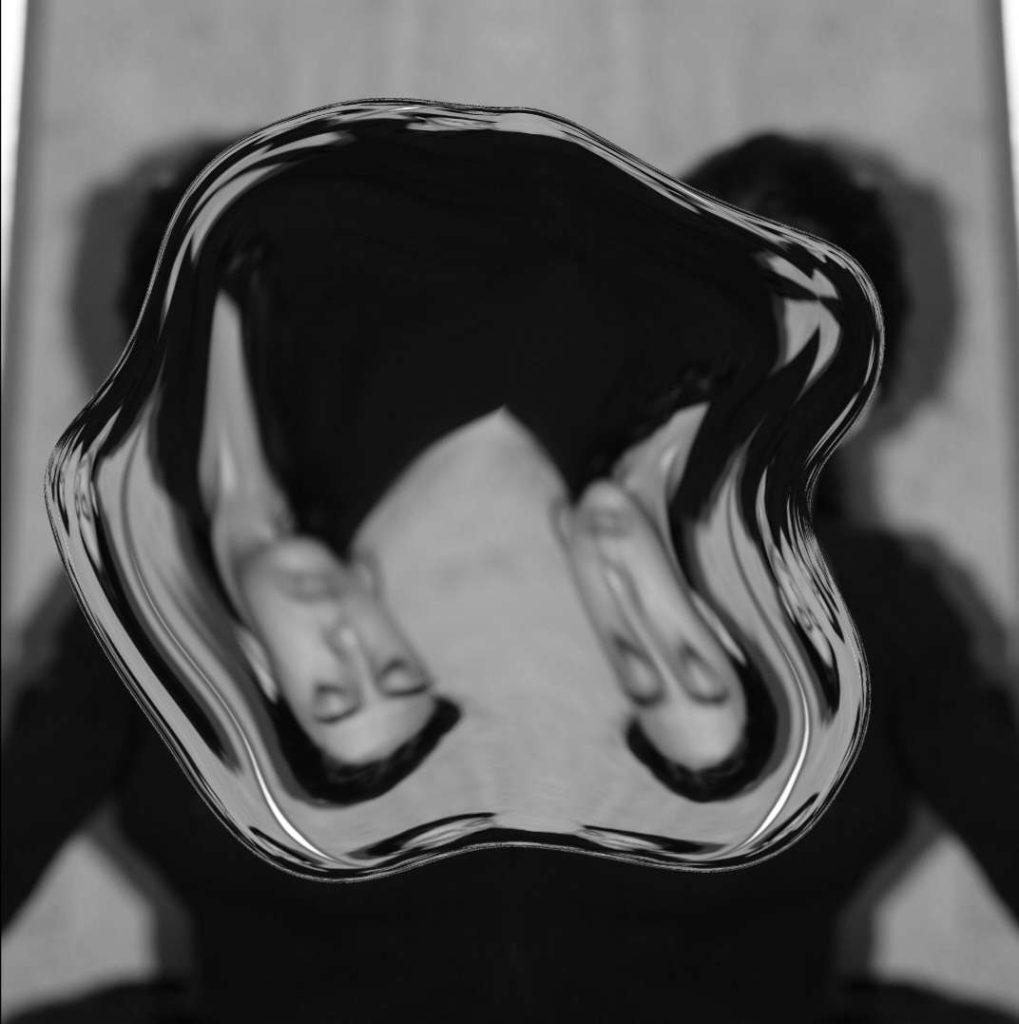
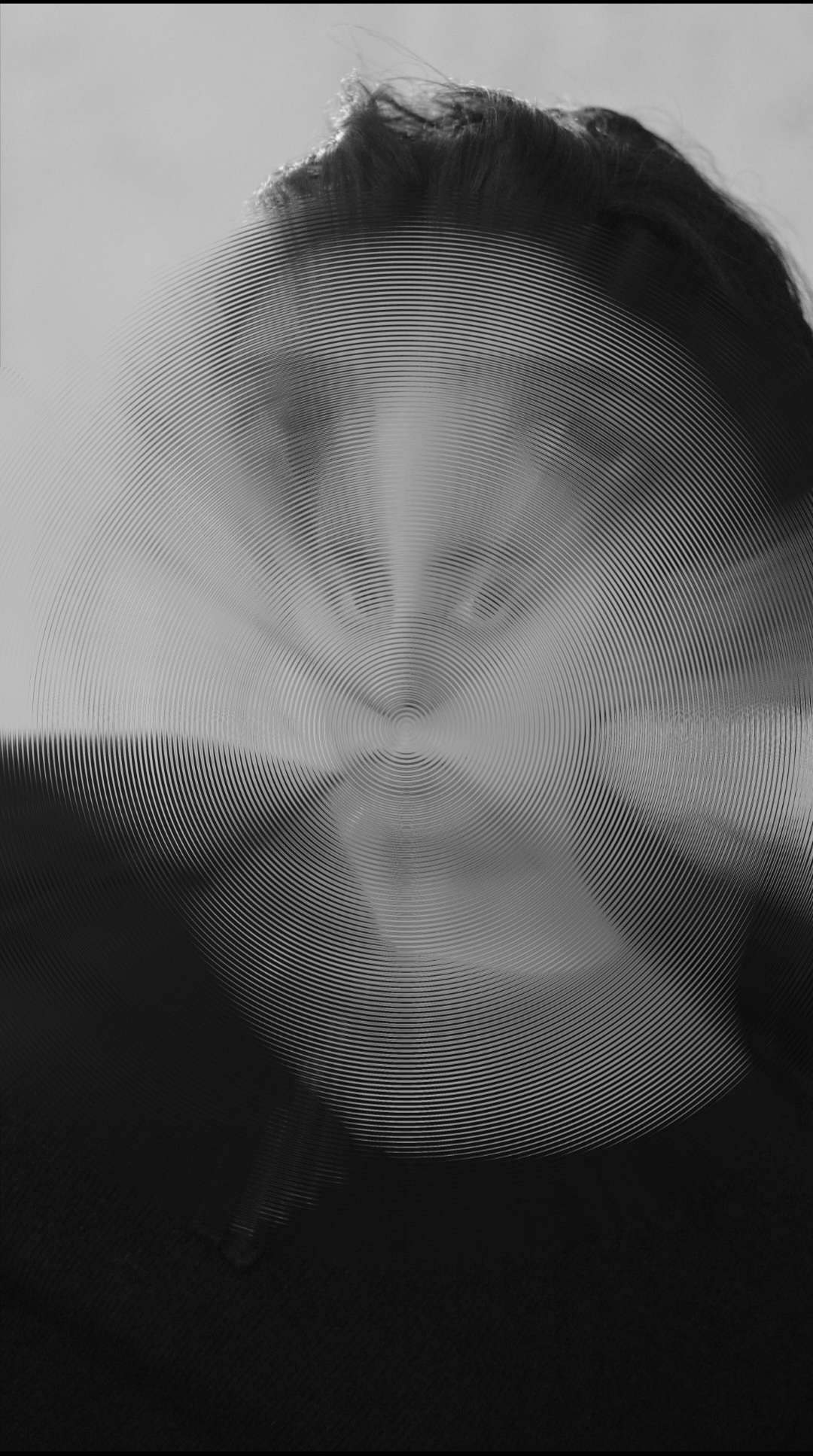
Machine-Faced explores the evolving relationship between human identity and computational transformation through a series of self-portraits shaped and distorted by generative AI models. These portraits exist not as final images, but as moments within a process of co-creation—a dialogue between the artist’s inner vision and the machine’s latent imagination.
Rather than using AI as a tool of automation or realism, I approach it as a partner in sketching—a dynamic space of experimentation. Each distortion produced by the model becomes a point of departure, where I pull at the contours of the self, stretch the face into abstraction, and encounter forms that are both intimately personal and eerily alien.
Process & Practice:
This project is grounded in traditional self-portraiture, beginning with digital or photographic images of my own face. These inputs are processed through generative AI systems trained on vast visual corpora, producing outputs that distort, fragment, and recompose the human image. In this way, the AI’s latent biases and learned aesthetics become collaborators in reshaping identity.
I do not see these distortions as technical errors but as creative interventions—emergent forms that challenge and inform my own understanding of selfhood. In post-processing, I often amplify these machine artifacts, layering them, refining them, and weaving them into new textures and depths.
At the heart of Machine-Faced lies a tension: the face, traditionally the most recognizable and emotionally charged symbol of identity, is here rendered unstable and unfamiliar.